
Saying
Talitha cumi
TAL-i-tha KOO-meeAramaic, "Little girl, arise"
The words Jesus spoke in Aramaic to the twelve-year-old daughter of Jairus as he raised her from the dead: "Damsel, I say unto thee, arise." Mark keeps the very sound of them.
- Where
- Mark 5:41
- Meaning
- "Little girl, arise"
- Witnesses
- Peter, James, John and the girl's parents (Mark 5:37, 40)
What happened
Jairus, a ruler of the synagogue at Capernaum, fell at Jesus' feet and begged him to come, for his little daughter was dying. On the way, messengers came: "Thy daughter is dead: why troublest thou the Master any further?" Jesus said, "Be not afraid, only believe" (Mark 5:22–36). At the house the mourners laughed at him when he said she was only sleeping. He put them all out, took the parents and his three disciples into the room, and held the girl's hand. "Talitha cumi," he said, "Damsel, I say unto thee, arise." At once she got up and walked, and he told them to give her something to eat (Mark 5:38–43).
Why it matters
Mark often keeps Jesus' own Aramaic words, probably as Peter, who was in the room, remembered them. They are the gentle words a parent might use to wake a child. For Jesus, raising the dead was as easy as that. One day he will speak the same way to all who sleep in him (John 5:28–29; 1 Thessalonians 4:16).
Key verses
- Mark 5:35–36
While he yet spake, there came from the ruler of the synagogue’s house certain which said, Thy daughter is dead: why troublest thou the Master any further? As soon as Jesus heard the word that was spoken, he saith unto the ruler of the synagogue, Be not afraid, only believe.
- Mark 5:41–42
And he took the damsel by the hand, and said unto her, Talitha cumi; which is, being interpreted, Damsel, I say unto thee, arise. And straightway the damsel arose, and walked; for she was of the age of twelve years. And they were astonished with a great astonishment.
- John 5:28–29
Marvel not at this: for the hour is coming, in the which all that are in the graves shall hear his voice, And shall come forth; they that have done good, unto the resurrection of life; and they that have done evil, unto the resurrection of damnation.
Read next
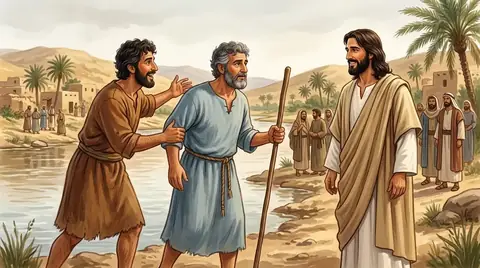 PersonPeterA Galilean fisherman who became the leader of the twelve apostles. Bold and impulsive, he confessed Jesus as the…
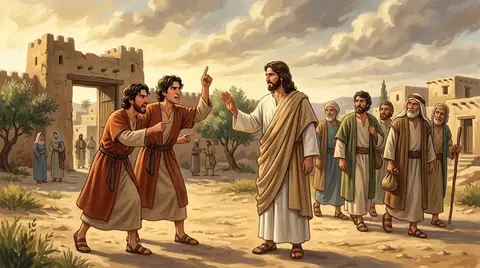 Person · ApostleJamesThe fisherman son of Zebedee, brother of John and one of Jesus' three closest disciples. Jesus called the brothers…
 PersonJohnThe fisherman who became "the disciple whom Jesus loved". Youngest of the twelve, he stood at the cross, ran to the…
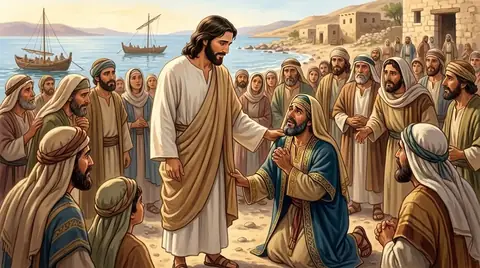 PersonJairusA ruler of a synagogue in Galilee who begged Jesus to come and heal his dying twelve-year-old daughter. When word came…
Written for this app in its own words, from the Bible, with the facts checked against Bible dictionaries and encyclopedias: Easton's, Smith's, Fausset's, ISBE, Holman, the New Bible Dictionary, Vine's and the Thompson Chain topics.
