
Feast · Worship
Solemn meeting
Also solemn assembly
A holy gathering for worship on a feast's last day, when no work was done: on the closing eighth day of Tabernacles and the seventh day of Unleavened Bread. Isaiah said God hated such meetings when they went with sin.
- When
- Eighth day of Tabernacles (Leviticus 23:36); seventh day of Unleavened Bread (Deuteronomy 16:8)
- Isaiah
- "It is iniquity, even the solemn meeting" (Isaiah 1:13)
What it was
Several of Israel's feasts closed with a special day of rest and worship. After seven days of living in booths at the Feast of Tabernacles, "on the eighth day shall be an holy convocation unto you... it is a solemn assembly; and ye shall do no servile work therein" (Leviticus 23:36; Numbers 29:35). The seventh day of Unleavened Bread was also a solemn assembly (Deuteronomy 16:8). Solomon kept one after dedicating the temple (2 Chronicles 7:9), and Nehemiah's people after hearing the law read for seven days (Nehemiah 8:18). A solemn assembly could also be called in time of crisis, for fasting and prayer (Joel 1:14; Joel 2:15).
What it meant
Feasts were meant to end in joy before God. But Isaiah says God could not bear Judah's new moons, sabbaths and solemn meetings while their hands were full of blood (Isaiah 1:13–15); Amos says the same (Amos 5:21). Worship without obedience is empty. On the last, great day of the feast Jesus stood and cried, "If any man thirst, let him come unto me, and drink" (John 7:37).
Key verses
- Leviticus 23:36
Seven days ye shall offer an offering made by fire unto the Lord: on the eighth day shall be an holy convocation unto you; and ye shall offer an offering made by fire unto the Lord: it is a solemn assembly; and ye shall do no servile work therein.
- Deuteronomy 16:8
Six days thou shalt eat unleavened bread: and on the seventh day shall be a solemn assembly to the Lord thy God: thou shalt do no work therein.
- Isaiah 1:13
Bring no more vain oblations; incense is an abomination unto me; the new moons and sabbaths, the calling of assemblies, I cannot away with; it is iniquity, even the solemn meeting.
- Joel 2:15
Blow the trumpet in Zion, sanctify a fast, call a solemn assembly:
- John 7:37
In the last day, that great day of the feast, Jesus stood and cried, saying, If any man thirst, let him come unto me, and drink.
Read next
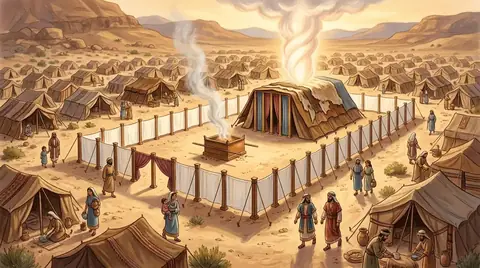 Thing · WorshipThe tabernacleThe holy tent Israel built in the wilderness, by God's own pattern, so that he could dwell in the middle of his people.…
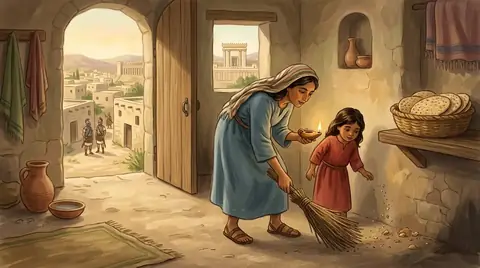 FeastThe Feast of Unleavened BreadThe seven days after Passover when Israel ate only bread without yeast and cleared all leaven from their homes…
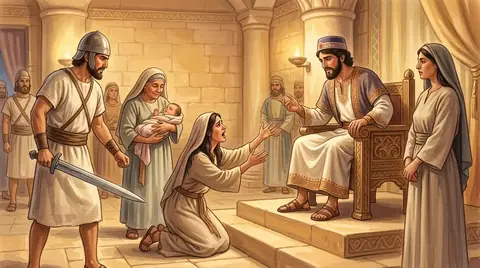 Person · KingSolomonDavid's son and Israel's third king, who asked God for wisdom and received riches and fame as well. He built the temple…
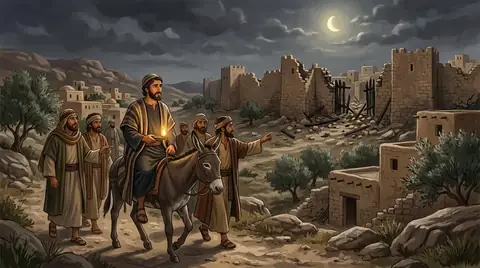 PersonNehemiahThe king of Persia's cupbearer who got leave to go to Jerusalem and rebuilt its broken walls in fifty-two days, despite…
Written for this app in its own words, from the Bible, with the facts checked against Bible dictionaries and encyclopedias: Easton's, Smith's, Fausset's, ISBE, Holman, the New Bible Dictionary, Vine's and the Thompson Chain topics.
