
Person · Office
Seer
Old Testament · Hebrew ro'eh and hozeh, "one who sees"
An older name for a prophet: one who "sees" what God shows him. Samuel, Gad and others are called seers.
- Hebrew
- Ro'eh and hozeh, both meaning "one who sees"
- Seers named
- Samuel (1 Samuel 9:9); Gad (2 Samuel 24:11); Heman (1 Chronicles 25:5); Iddo (2 Chronicles 9:29)
- See also
- Prophet
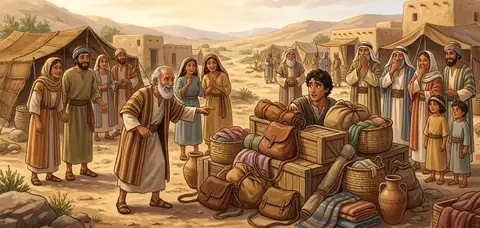
When young Saul was looking for his father's donkeys, his servant suggested asking the man of God in the town. The writer explains, "he that is now called a Prophet was beforetime called a Seer" (1 Samuel 9:9). The name stresses that God let these men see things hidden from others, in visions and in understanding. Gad was "David's seer" (2 Samuel 24:11), and seers wrote down the history of kings (2 Chronicles 9:29; 2 Chronicles 33:18–19). But when people would not listen, they told the seers, "See not" (Isaiah 30:10), and Amos was ordered to go home (Amos 7:12).
Key verses
- 1 Samuel 9:9
(Beforetime in Israel, when a man went to enquire of God, thus he spake, Come, and let us go to the seer: for he that is now called a Prophet was beforetime called a Seer.)
- 2 Samuel 24:11
For when David was up in the morning, the word of the Lord came unto the prophet Gad, David’s seer, saying,
- 2 Chronicles 33:18
Now the rest of the acts of Manasseh, and his prayer unto his God, and the words of the seers that spake to him in the name of the Lord God of Israel, behold, they are written in the book of the kings of Israel.
- Isaiah 30:10
Which say to the seers, See not; and to the prophets, Prophesy not unto us right things, speak unto us smooth things, prophesy deceits:
Read next
 Person · Prophet and judgeSamuelThe prophet who led Israel from the time of the judges into the time of the kings. Given to God by his mother Hannah…
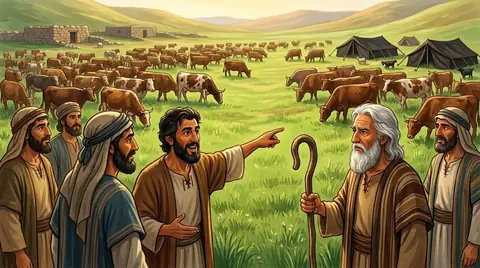 Person · TribeGadJacob's seventh son, by Leah's maid Zilpah, and the warlike tribe named after him that settled east of the Jordan. A…
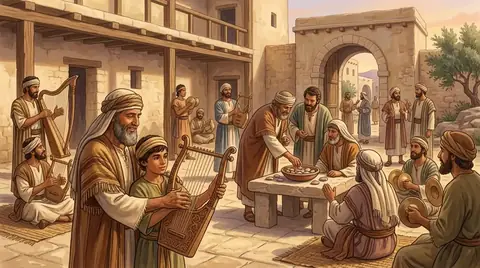 PersonHemanA Levite singer, grandson of Samuel, whom David set with Asaph and Jeduthun over the music of God's house. He was…
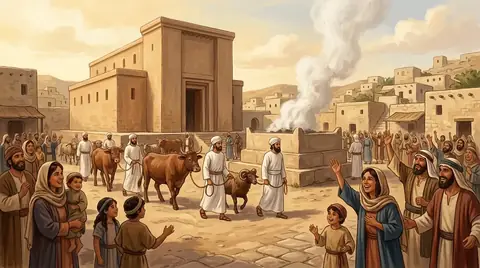 PersonIddoThe grandfather of the prophet Zechariah, head of a priestly family that came back from Babylon. Another Iddo was a…
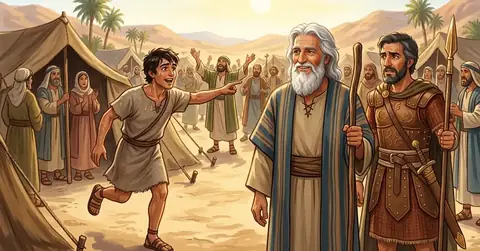 Teaching · Title of ChristThe Prophet (like unto Moses)A prophet is a person who speaks God's words. Moses promised a Prophet like himself whom Israel must hear; the Jews…
 Person · KingSaulIsrael's first king, a tall Benjamite chosen when the people demanded a king like the nations. He began humbly and won…
Written for this app in its own words, from the Bible, with the facts checked against Bible dictionaries and encyclopedias: Easton's, Smith's, Fausset's, ISBE, Holman, the New Bible Dictionary, Vine's and the Thompson Chain topics.
