
Creature · Idol
Satyr
Hebrew sa'ir, "hairy one" · a goat, a goat-demon, or a goat-idol
In the King James Version a hairy goat-like creature haunting ruins; the Hebrew word simply means a hairy goat, and is also used of goat-idols that Israel was forbidden to worship.
- Where
- Isaiah 13:21; Isaiah 34:14; as "devils" in Leviticus 17:7 and 2 Chronicles 11:15
- What
- A wild goat, or the goat-shaped demons and idols of the pagan nations
The Hebrew word behind "satyr" means a hairy one and usually just means a goat; it is the ordinary word for the goat of the sin offering (Leviticus 4:24). But the nations around Israel worshipped goat-spirits, and Israel was told to stop offering sacrifices to such "devils" (Leviticus 17:7). When Jeroboam set up his own religion in the north he appointed priests for the high places, the goat-idols and the calves (2 Chronicles 11:15).
Isaiah uses the word in his pictures of judgement. Babylon will be so empty that owls will live in its houses and "satyrs shall dance there" (Isaiah 13:21); the land of Edom will be left to wild beasts, where "the satyr shall cry to his fellow" (Isaiah 34:14). The King James translators borrowed the Greek satyr, a creature half man and half goat, to catch the eerie feel of the passage. Whether the prophet meant wild goats or the demons people imagined among the ruins, the point is the same: where proud cities stood, nothing but wild and unclean things remain.
Key verses
- Isaiah 13:21
But wild beasts of the desert shall lie there; and their houses shall be full of doleful creatures; and owls shall dwell there, and satyrs shall dance there.
- Isaiah 34:14
The wild beasts of the desert shall also meet with the wild beasts of the island, and the satyr shall cry to his fellow; the screech owl also shall rest there, and find for herself a place of rest.
- Leviticus 17:7
And they shall no more offer their sacrifices unto devils, after whom they have gone a whoring. This shall be a statute for ever unto them throughout their generations.
- 2 Chronicles 11:15
And he ordained him priests for the high places, and for the devils, and for the calves which he had made.
Read next
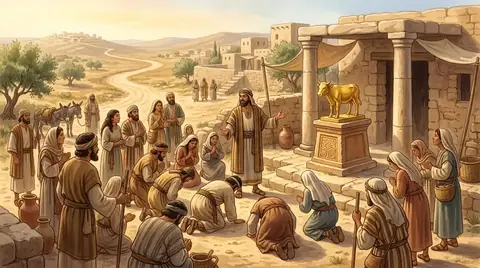 PersonJeroboamSolomon's overseer who became the first king of the breakaway northern kingdom. He set up golden calves at Bethel and…
 Person · ProphetIsaiahThe prophet of Jerusalem who served four kings, saw the LORD on his throne, and foretold the virgin's son, the…
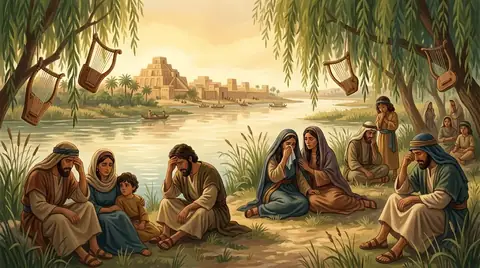 Place · CityBabylonThe great city on the Euphrates where the tower of Babel was built. Under Nebuchadnezzar it ruled the world, destroyed…
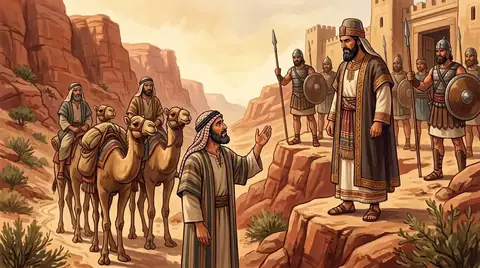 Place · NationEdomThe rugged land south of the Dead Sea where Esau's descendants lived. Edom was Israel's unfriendly brother nation, and…
Written for this app in its own words, from the Bible, with the facts checked against Bible dictionaries and encyclopedias: Easton's, Smith's, Fausset's, ISBE, Holman, the New Bible Dictionary, Vine's and the Thompson Chain topics.
