
Teaching
Repentance
Turning round: a change of mind about sin and about God that leads to a change of life. John the Baptist, Jesus and the apostles all began their preaching with it.
- Greek
- metanoia, a change of mind and direction
- Where
- Psalms 51; Isaiah 55:7; Mark 1:15; Luke 15; Acts 2:38; 2 Corinthians 7:10
- Not
- Mere regret, like Judas (Matthew 27:3), or tears without change (Hebrews 12:17)
What it is
To repent is to stop, see your sin as God sees it, and turn back toward him. The Old Testament word means to turn; the New Testament word means to change your mind. Both have hands and feet: repentance shows in a changed life, "fruits meet for repentance" (Matthew 3:8). It is not only feeling sorry. Judas felt bitter remorse and went and hanged himself; Peter wept and came back. Paul contrasts "the sorrow of the world" that ends in death with "godly sorrow" that works repentance leading to salvation (2 Corinthians 7:10).
In the Old Testament
The prophets pleaded with Israel to return: "Let the wicked forsake his way... and let him return unto the LORD, and he will have mercy upon him" (Isaiah 55:7). David's prayer after his sin with Bathsheba is the model of a repentant heart, confessing guilt, asking to be washed, and knowing that God does not despise "a broken and a contrite heart" (Psalms 51). Nineveh repented at Jonah's preaching and was spared (Jonah 3:5–10). Manasseh, the worst of Judah's kings, humbled himself in prison and was forgiven (2 Chronicles 33:12–13). When the Bible says that God "repented", it means he changed his course of action in response to people, not that he had done wrong (Jonah 3:10; 1 Samuel 15:29).
In Jesus
John the Baptist preached "the baptism of repentance" (Mark 1:4), and Jesus began with the same word: "Repent ye, and believe the gospel" (Mark 1:15). He said he had come to call sinners to repentance, and that heaven rejoices more over one sinner who repents than over ninety-nine who think they need not (Luke 5:32; Luke 15:7). The prodigal son coming to himself and walking home is his picture of it (Luke 15:17–20). After his resurrection he sent his disciples to preach "repentance and remission of sins" to all nations (Luke 24:47). At Pentecost Peter answered the crowd's question with "Repent, and be baptized" (Acts 2:38), and Paul told Athens that God "now commandeth all men every where to repent" (Acts 17:30).
For us
Repentance is not a price we pay for forgiveness but the doorway into it, and God's kindness is what leads us there (Romans 2:4). It is also not once for all: the risen Christ calls lukewarm churches to repent (Revelation 3:19). Repentance and faith go together, the one turning from sin, the other turning to Christ.
Key verses
- Psalms 51:17
The sacrifices of God are a broken spirit: a broken and a contrite heart, O God, thou wilt not despise.
- Isaiah 55:7
Let the wicked forsake his way, and the unrighteous man his thoughts: and let him return unto the Lord, and he will have mercy upon him; and to our God, for he will abundantly pardon.
- Mark 1:15
And saying, The time is fulfilled, and the kingdom of God is at hand: repent ye, and believe the gospel.
- Luke 15:7
I say unto you, that likewise joy shall be in heaven over one sinner that repenteth, more than over ninety and nine just persons, which need no repentance.
- Acts 2:38
Then Peter said unto them, Repent, and be baptized every one of you in the name of Jesus Christ for the remission of sins, and ye shall receive the gift of the Holy Ghost.
- 2 Corinthians 7:10
For godly sorrow worketh repentance to salvation not to be repented of: but the sorrow of the world worketh death.
Read next
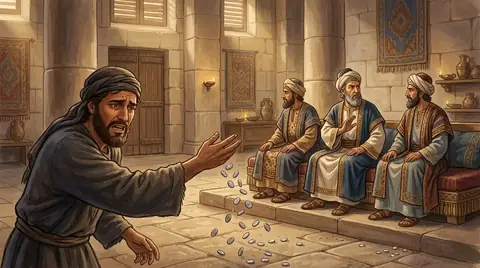 PersonJudasThe disciple who sold Jesus to the priests for thirty pieces of silver and pointed him out with a kiss. Full of…
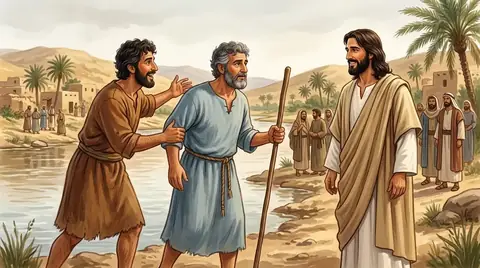 PersonPeterA Galilean fisherman who became the leader of the twelve apostles. Bold and impulsive, he confessed Jesus as the…
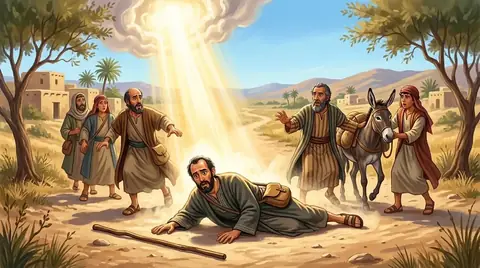 PersonPaulA Pharisee who hated the church until the risen Jesus met him on the road to Damascus. He became the apostle to the…
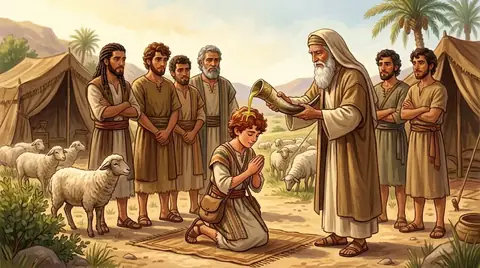 Person · KingDavidThe shepherd boy who killed Goliath and became Israel's greatest king, "a man after God's own heart". He wrote many…PersonBathshebaThe beautiful wife of Uriah whom David took and then married after having Uriah killed. Their first child died; their…
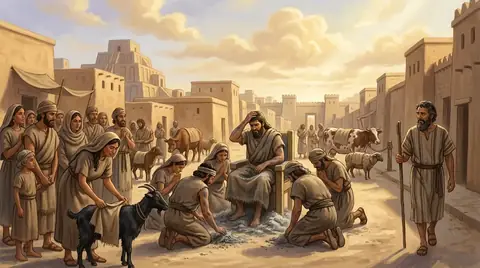 Place · CityNinevehThe last and greatest capital of Assyria, on the Tigris. Jonah preached there and the whole city repented; a century…
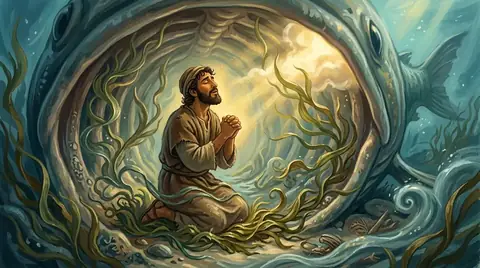 PersonJonahThe prophet who ran from God's call to preach at Nineveh, was swallowed by a great fish, and then sulked when the city…
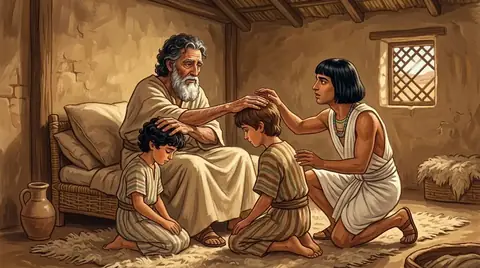 Person · TribeManassehJoseph's elder son, adopted by Jacob as a tribe of Israel, whose land straddled the Jordan. Also the longest-reigning…
Written for this app in its own words, from the Bible, with the facts checked against Bible dictionaries and encyclopedias: Easton's, Smith's, Fausset's, ISBE, Holman, the New Bible Dictionary, Vine's and the Thompson Chain topics.
