
Teaching
Prophecy
God telling the future through his prophets, above all the coming of Christ. Hundreds of prophecies were fulfilled to the letter, and the rest are as sure as those.
- First and greatest
- The seed of the woman will crush the serpent (Genesis 3:15)
- Of Christ
- Born of a virgin at Bethlehem, of David's line; pierced, buried with the rich, raised (Isaiah 7:14; Micah 5:2; Psalms 22; Isaiah 53; Psalms 16:10)
- Of nations
- Tyre (Ezekiel 26), Nineveh (Nahum 3), Babylon (Isaiah 13; Jeremiah 51), the four empires (Daniel 2; Daniel 7)
- Still to come
- Christ's return, the resurrection, the judgment, the new heavens and earth
What it is
A prophet's main work was to speak God's word to his own day, but woven through it is prediction: God saying what he will do before he does it. No man could have guessed these things; they came because "holy men of God spake as they were moved by the Holy Ghost" (2 Peter 1:21). Fulfilled prophecy is one of the strongest proofs that the Bible is God's book, and God himself appeals to it: "I am God... declaring the end from the beginning" (Isaiah 46:9–10).
Prophecies fulfilled
God told Abraham his descendants would be strangers in a foreign land four hundred years and come out with great wealth (Genesis 15:13–14), and so it was. Moses foretold Israel's exile and scattering (Deuteronomy 28). Centuries before it happened, prophets named the fall of Nineveh (Nahum 3), the ruin of Tyre (Ezekiel 26), the drying of Babylon's river on the night the city fell (Isaiah 44:27; Jeremiah 51:36) and even the conqueror's name, Cyrus (Isaiah 44:28). Daniel traced the empires of Babylon, Persia, Greece and Rome (Daniel 2; Daniel 7).
The thread of Christ
The great theme of prophecy is the Messiah. It begins in Eden with the promise that the woman's seed would bruise the serpent's head (Genesis 3:15), narrows to Abraham's family, Judah's tribe and David's house, and grows clearer with every prophet. He would be born of a virgin (Isaiah 7:14) at Bethlehem (Micah 5:2), preach in Galilee (Isaiah 9:1–2), ride into Jerusalem on a donkey (Zechariah 9:9), be sold for thirty pieces of silver (Zechariah 11:12), be pierced, mocked and have his clothes gambled for (Psalms 22), suffer in silence for the sins of others and be buried with the rich (Isaiah 53), and not see corruption (Psalms 16:10). The risen Jesus walked two disciples through "all the prophets" to show that these things had to be (Luke 24:27). "To him give all the prophets witness" (Acts 10:43).
Prophecy still open
Jesus foretold his death and rising, the fall of Jerusalem within a generation (Luke 21:20–24), and the spread of the gospel to all nations. What remains is his return, the resurrection of the dead, the judgment and the new creation (Acts 1:11; 1 Thessalonians 4:16; Revelation 21). Because the first part came true exactly, the second is certain. Prophecy was not given to feed curiosity but to make God's people ready: "every man that hath this hope in him purifieth himself" (1 John 3:3).
Key verses
- Isaiah 46:9–10
Remember the former things of old: for I am God, and there is none else; I am God, and there is none like me, Declaring the end from the beginning, and from ancient times the things that are not yet done, saying, My counsel shall stand, and I will do all my pleasure:
- Luke 24:27
And beginning at Moses and all the prophets, he expounded unto them in all the scriptures the things concerning himself.
- Acts 10:43
To him give all the prophets witness, that through his name whosoever believeth in him shall receive remission of sins.
- 2 Peter 1:19–21
We have also a more sure word of prophecy; whereunto ye do well that ye take heed, as unto a light that shineth in a dark place, until the day dawn, and the day star arise in your hearts: Knowing this first, that no prophecy of the scripture is of any private interpretation. For the prophecy came not in old time by the will of man: but holy men of God spake as they were moved by the Holy Ghost.
Read next
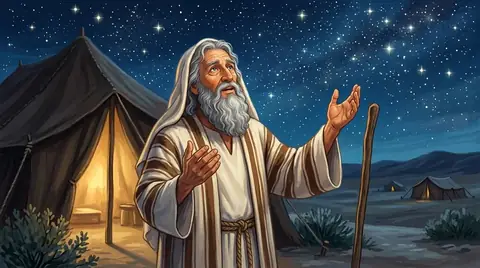 PersonAbrahamThe man God called out of Ur to a land he had never seen, promising him a people and a blessing for the whole world. He…
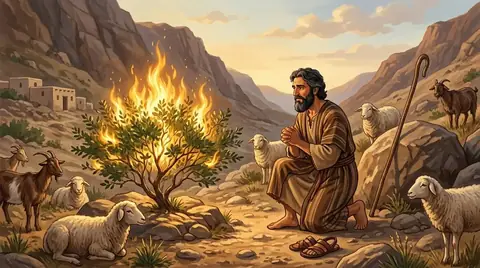 PersonMosesThe man God used to bring Israel out of Egypt, give them his Law at Sinai, and lead them for forty years in the…
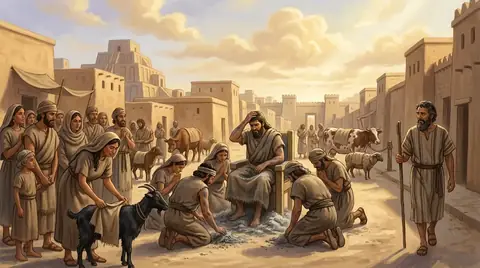 Place · CityNinevehThe last and greatest capital of Assyria, on the Tigris. Jonah preached there and the whole city repented; a century…
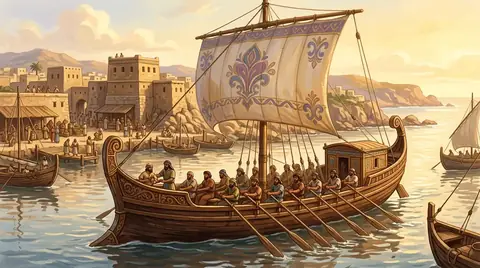 Place · CityTyreThe great trading port of Phoenicia, on the coast north of Israel. Its king Hiram helped build Solomon's temple; later…
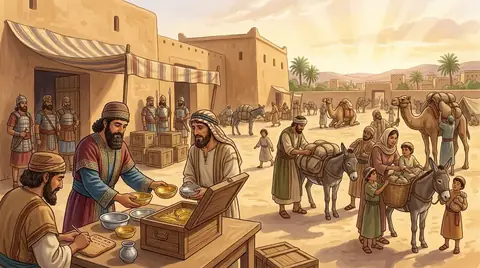 Person · King of PersiaCyrusThe Persian king who conquered Babylon and, in his first year there, let the Jews go home to rebuild the temple. Isaiah…
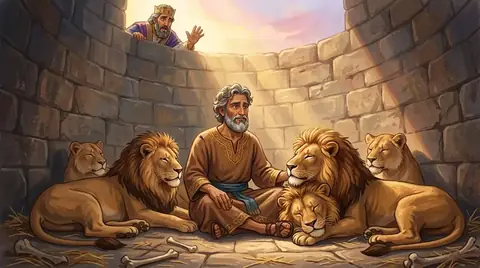 Person · ProphetDanielA young noble of Judah carried off to Babylon, who served four kings with wisdom and never bent his faith. God gave him…
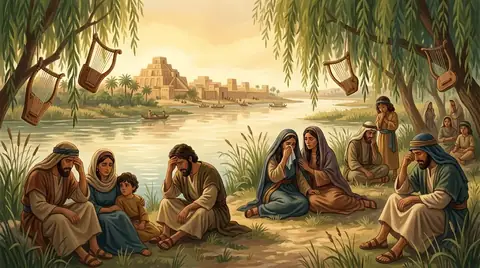 Place · CityBabylonThe great city on the Euphrates where the tower of Babel was built. Under Nebuchadnezzar it ruled the world, destroyed…
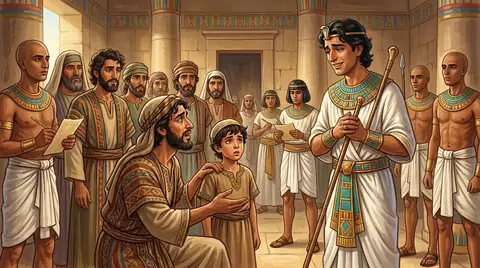 PersonJudahJacob's fourth son, who became leader among his brothers and the father of Israel's royal tribe. David, the kings of…
Written for this app in its own words, from the Bible, with the facts checked against Bible dictionaries and encyclopedias: Easton's, Smith's, Fausset's, ISBE, Holman, the New Bible Dictionary, Vine's and the Thompson Chain topics.
