
Teaching
Predestination
Also called election, foreordination, the decrees of God
God's purpose, settled before the world began, to save a people for himself through Christ. The Bible teaches it plainly and leaves its mysteries with God.
- The word
- Greek proorizo, "to mark out beforehand": Romans 8:29–30; Ephesians 1:5, 11; 1 Corinthians 2:7; Acts 4:28
- Chosen
- Abraham (Genesis 12), Israel (Deuteronomy 7:7–8), Jacob (Romans 9:11–13), the apostles (John 15:16), believers (Ephesians 1:4)
What it means
To predestine is to decide beforehand. The Bible says that God planned the salvation of his people before the foundation of the world, choosing them in Christ, marking them out to be his sons and to be made like Jesus (Ephesians 1:4–5; Romans 8:29). His purposes do not depend on what he foresees men will do; he chose Jacob over Esau before they were born "that the purpose of God according to election might stand" (Romans 9:11–13). Even the cross happened by his "determinate counsel and foreknowledge" (Acts 2:23; Acts 4:28).
In the Bible
God chose Abraham out of all the earth (Genesis 12:1–3; Nehemiah 9:7), and Israel not for her size or goodness but because he loved her (Deuteronomy 7:7–8). Jesus said, "Ye have not chosen me, but I have chosen you" (John 15:16), and that all whom the Father gives him will come to him and none will be lost (John 6:37–39). When the Gentiles at Antioch in Pisidia heard the gospel, "as many as were ordained to eternal life believed" (Acts 13:48). Paul traces a golden chain: foreknown, predestined, called, justified, glorified (Romans 8:29–30), and faces the hard questions in Romans 9 with the potter and the clay.
What it is for
The teaching is not given to make people anxious about whether they are chosen but to humble the proud and comfort the weak. Salvation is all of grace, so no one can boast; and what God began he will finish (Philippians 1:6), so no one who trusts Christ need fear losing him. The invitation is still open to all: "whosoever will, let him take the water of life freely" (Revelation 22:17).
Where Christians differ
Christians agree that God chooses and that man must believe; they differ on how the two fit. Some stress that God's choice comes first and makes faith possible; others that God chooses those he foresees will believe. The Bible holds both God's sovereignty and man's responsibility, and the safest place to stand is where Paul ends: "O the depth of the riches both of the wisdom and knowledge of God!" (Romans 11:33).
Key verses
- Romans 8:29–30
For whom he did foreknow, he also did predestinate to be conformed to the image of his Son, that he might be the firstborn among many brethren. Moreover whom he did predestinate, them he also called: and whom he called, them he also justified: and whom he justified, them he also glorified.
- Ephesians 1:4–5
According as he hath chosen us in him before the foundation of the world, that we should be holy and without blame before him in love: Having predestinated us unto the adoption of children by Jesus Christ to himself, according to the good pleasure of his will,
- John 6:37
All that the Father giveth me shall come to me; and him that cometh to me I will in no wise cast out.
- Acts 13:48
And when the Gentiles heard this, they were glad, and glorified the word of the Lord: and as many as were ordained to eternal life believed.
- Romans 11:33
O the depth of the riches both of the wisdom and knowledge of God! how unsearchable are his judgments, and his ways past finding out!
Read next
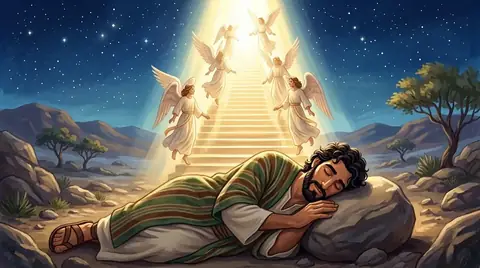 PersonJacobIsaac's younger twin son, who won his brother's birthright and blessing by cunning, was changed by God, and was renamed…
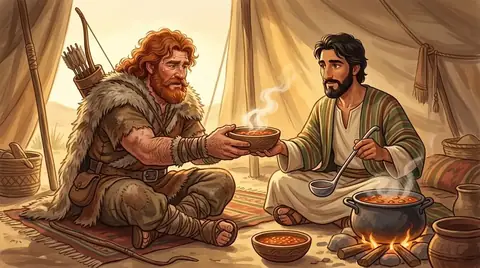 PersonEsauIsaac's elder twin, a hunter who traded away his birthright for a meal and lost his father's blessing to Jacob's trick.…
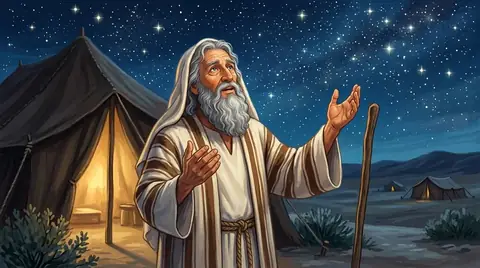 PersonAbrahamThe man God called out of Ur to a land he had never seen, promising him a people and a blessing for the whole world. He…
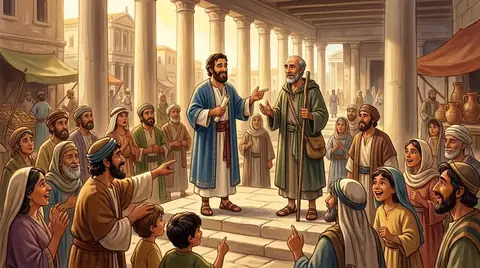 Place · CityAntiochTwo New Testament cities. Antioch in Syria was the great city where believers were first called Christians and from…
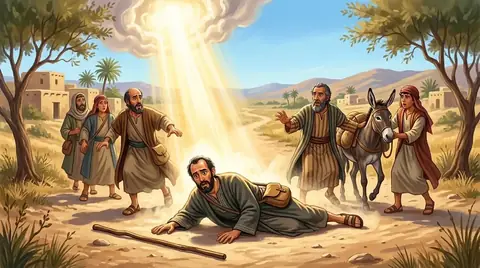 PersonPaulA Pharisee who hated the church until the risen Jesus met him on the road to Damascus. He became the apostle to the…
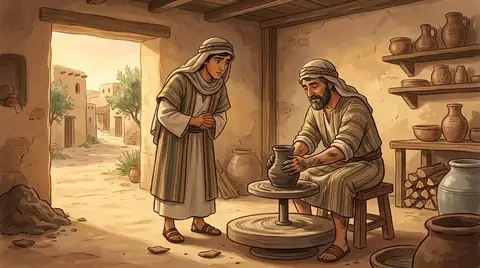 SymbolThe potter and the clayA picture of God's right to shape people and nations as he pleases. The prophets watched the potter at his wheel; Paul…
Written for this app in its own words, from the Bible, with the facts checked against Bible dictionaries and encyclopedias: Easton's, Smith's, Fausset's, ISBE, Holman, the New Bible Dictionary, Vine's and the Thompson Chain topics.
