
Thing · Cloth
Linen
Cloth woven from the fibres of the flax plant. The tabernacle's curtains and the priests' robes were linen; so were the grave clothes of Jesus. In Revelation, white linen stands for righteousness.
- Made from
- Flax, grown in Egypt and the land of Israel
- Used for
- Priests' robes, tabernacle curtains, royal dress, bedding, ropes, wicks, shrouds
- Where
- Genesis 41:42; Exodus 28:39–42; Leviticus 16:4; Mark 15:46; Revelation 19:8
What it was
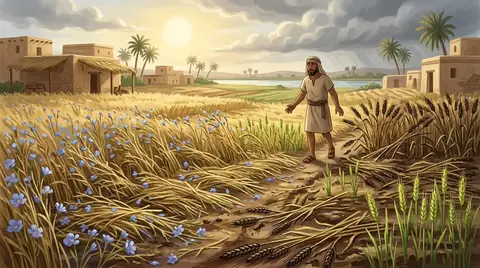
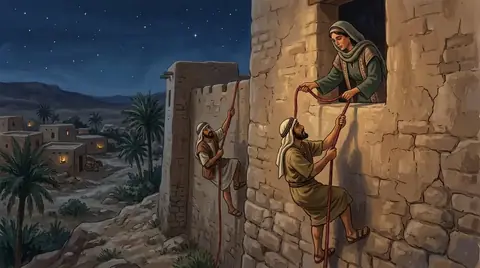
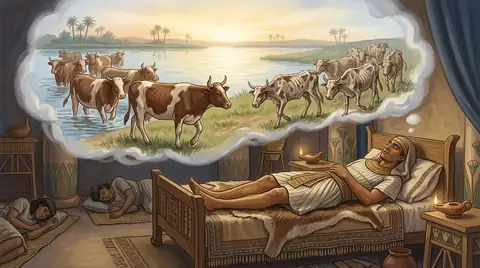
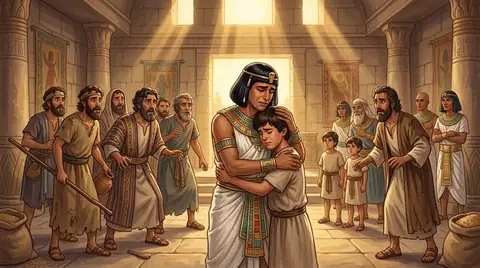
Linen is made from the stalks of the flax plant: soaked, beaten, combed into long fibres, spun and woven. Rahab hid the spies under flax stalks drying on her roof (Joshua 2:6). Egypt was famous for linen of a whiteness and fineness no one else could match, and the best Hebrew word for it, shesh, is itself Egyptian. Pharaoh dressed Joseph in fine linen when he made him governor (Genesis 41:42). The good wife of Proverbs spins flax and sells linen garments (Proverbs 31:13–24).
In worship
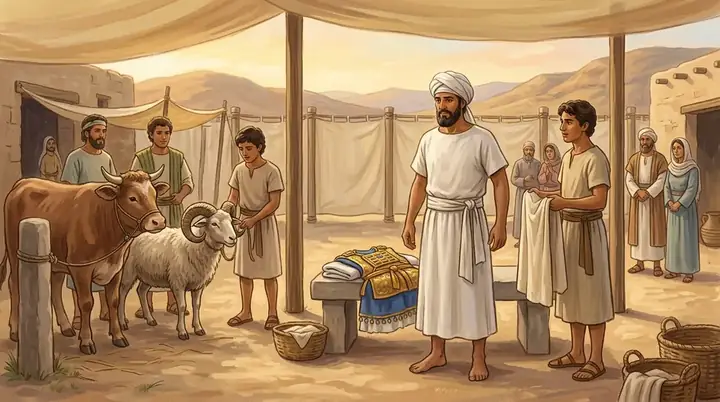
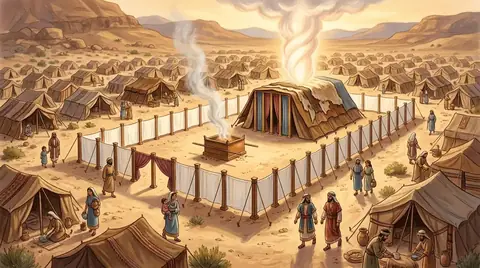
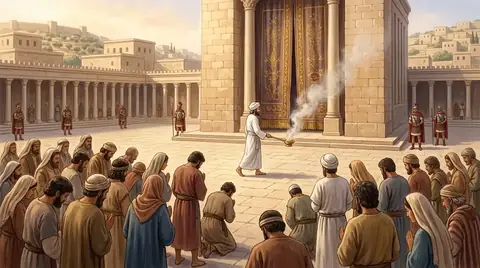
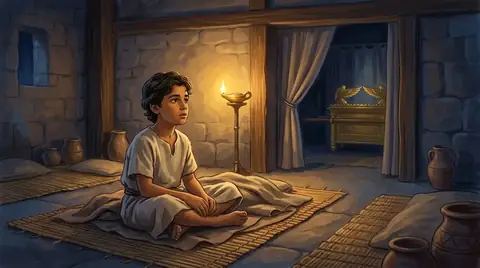
The tabernacle's curtains and the veil were fine twined linen, with blue, purple and scarlet woven in (Exodus 26:1). The priests wore linen coats, turbans, sashes and undergarments (Exodus 28:39–42), and on the Day of Atonement the high priest put aside his rich robes and went into the Most Holy Place in plain white linen (Leviticus 16:4). The boy Samuel and King David both wore a linen ephod before the LORD (1 Samuel 2:18; 2 Samuel 6:14). The law forbade weaving linen and wool together in one cloth (Deuteronomy 22:11).
In the Gospels
Joseph of Arimathaea bought fine linen and wrapped the body of Jesus in it (Mark 15:46). On Easter morning Peter and John found the linen cloths lying in the empty tomb, and the napkin that had covered his head folded by itself (John 20:5–7). In Jesus' story, the rich man dressed in purple and fine linen while Lazarus lay hungry at his gate (Luke 16:19).
What it means
Clean, white and bright, linen became the Bible's picture of purity. The angels of Revelation are clothed in it (Revelation 15:6), and the bride of the Lamb is given fine linen to wear, "for the fine linen is the righteousness of saints" (Revelation 19:8).
Key verses
- Genesis 41:42
And Pharaoh took off his ring from his hand, and put it upon Joseph’s hand, and arrayed him in vestures of fine linen, and put a gold chain about his neck;
- Exodus 28:39–42
And thou shalt embroider the coat of fine linen, and thou shalt make the mitre of fine linen, and thou shalt make the girdle of needlework. And for Aaron’s sons thou shalt make coats, and thou shalt make for them girdles, and bonnets shalt thou make for them, for glory and for beauty. And thou shalt put them upon Aaron thy brother, and his sons with him; and shalt anoint them, and consecrate them, and sanctify them, that they may minister unto me in the priest’s office. …
- Leviticus 16:4
He shall put on the holy linen coat, and he shall have the linen breeches upon his flesh, and shall be girded with a linen girdle, and with the linen mitre shall he be attired: these are holy garments; therefore shall he wash his flesh in water, and so put them on.
- John 20:5–7
And he stooping down, and looking in, saw the linen clothes lying; yet went he not in. Then cometh Simon Peter following him, and went into the sepulchre, and seeth the linen clothes lie, And the napkin, that was about his head, not lying with the linen clothes, but wrapped together in a place by itself.
- Revelation 19:8
And to her was granted that she should be arrayed in fine linen, clean and white: for the fine linen is the righteousness of saints.
Read next
 PlantFlaxThe plant whose stalks give the fibre for linen. It was grown in Egypt and Israel from the earliest times, dried on the…
 PersonRahabA woman of Jericho who hid Joshua's two spies because she believed in Israel's God. She and her family were spared when…
 Title · RulerPharaohNot a personal name but the title borne by every king of Egypt, like "Caesar". The Bible names several, the best known…
 PersonJosephJacob's favourite son, sold by his brothers into Egypt, where he rose from prison to rule the land and saved his family…
 Thing · WorshipThe tabernacleThe holy tent Israel built in the wilderness, by God's own pattern, so that he could dwell in the middle of his people.…
 Feast · FastThe Day of AtonementThe one day in the year when the high priest went behind the veil with blood to atone for all Israel's sins, while a…
 Person · Prophet and judgeSamuelThe prophet who led Israel from the time of the judges into the time of the kings. Given to God by his mother Hannah…
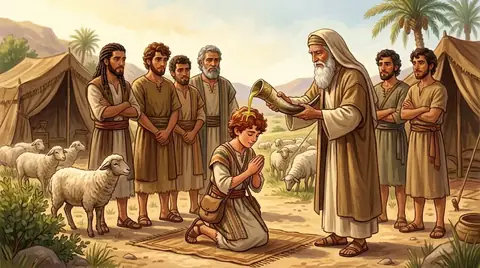 Person · KingDavidThe shepherd boy who killed Goliath and became Israel's greatest king, "a man after God's own heart". He wrote many…
Written for this app in its own words, from the Bible, with the facts checked against Bible dictionaries and encyclopedias: Easton's, Smith's, Fausset's, ISBE, Holman, the New Bible Dictionary, Vine's and the Thompson Chain topics.
