
Plant
Flax
Also called tow (the waste fibre)
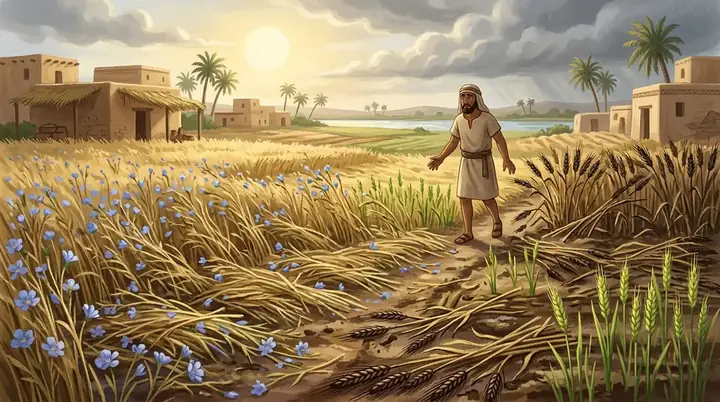
The plant whose stalks give the fibre for linen. It was grown in Egypt and Israel from the earliest times, dried on the flat roofs, soaked and combed, then spun. Tow is the coarse waste left from combing, which burns in a flash.
- Hebrew
- pishtah; grown in Egypt (Exodus 9:31) and Canaan (Joshua 2:6)
- Tow
- Samson broke his ropes "as a thread of tow" touched by fire (Judges 16:9)
What it was
Flax is a slender plant with a blue flower, about 3 feet (1 m) high. When the plague of hail struck Egypt, the flax was ruined because it was in bud (Exodus 9:31). After harvest the stalks were dried in the sun, often on the roof of the house; Rahab hid the spies under hers (Joshua 2:6). Then they were soaked to rot away the pulp, beaten and combed, until only the long fibres were left. These were spun into thread and woven into linen. The good wife of Proverbs "seeketh wool, and flax, and worketh willingly with her hands" (Proverbs 31:13). The short, tangled waste from the combing is tow; it catches fire at a touch, and the Bible uses it for things that are destroyed in a moment (Judges 16:9; Isaiah 1:31).
A picture of gentleness
Isaiah said of the Servant of the LORD, "the smoking flax shall he not quench" (Isaiah 42:3). A lamp wick was made of flax, and a wick that has almost gone out only smokes. Matthew says Jesus fulfilled this (Matthew 12:20): he does not snuff out the weak and failing, but tends them until they burn bright again. See also flax and linen.
Key verses
- Exodus 9:31
And the flax and the barley was smitten: for the barley was in the ear, and the flax was bolled.
- Joshua 2:6
But she had brought them up to the roof of the house, and hid them with the stalks of flax, which she had laid in order upon the roof.
- Proverbs 31:13
She seeketh wool, and flax, and worketh willingly with her hands.
- Isaiah 42:3
A bruised reed shall he not break, and the smoking flax shall he not quench: he shall bring forth judgment unto truth.
- Matthew 12:20
A bruised reed shall he not break, and smoking flax shall he not quench, till he send forth judgment unto victory.
Read next
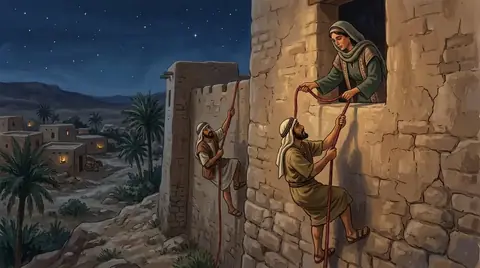 PersonRahabA woman of Jericho who hid Joshua's two spies because she believed in Israel's God. She and her family were spared when…
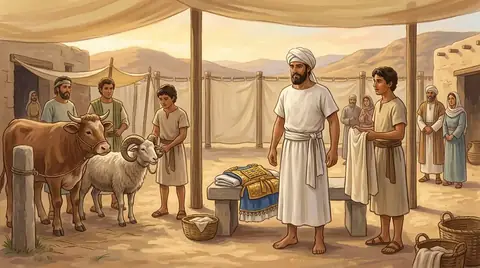 Thing · ClothLinenCloth woven from the fibres of the flax plant. The tabernacle's curtains and the priests' robes were linen; so were the…Plant · NatureFlax and linenFlax was grown for its fibres, which were spun and woven into linen, the cloth of priests, kings and the rich. Jesus'…
Written for this app in its own words, from the Bible, with the facts checked against Bible dictionaries and encyclopedias: Easton's, Smith's, Fausset's, ISBE, Holman, the New Bible Dictionary, Vine's and the Thompson Chain topics.
