
Custom
Letters
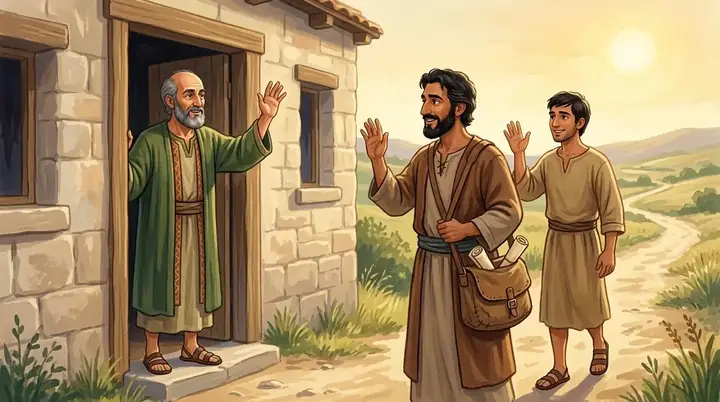
Messages written on a roll or tablet and carried by hand. Kings sent letters of war and of peace; David wrote Uriah's death warrant; and most of the New Testament is letters from apostles to churches.
- Carried by
- Messengers, runners on horseback, friends (Esther 8:10; Romans 16:1)
- Examples
- David to Joab, Sennacherib to Hezekiah, Lysias to Felix, Paul's letters
In the Old Testament
Letters were written on rolls of skin or papyrus, folded or rolled and often sealed. David sent a letter to Joab by the hand of Uriah himself, ordering that he be put in the front of the battle (2 Samuel 11:14–15). The king of Syria sent a letter with Naaman asking the king of Israel to heal him (2 Kings 5:5–6). When Hezekiah received Sennacherib's threatening letter, he went up to the temple "and spread it before the LORD" (2 Kings 19:14). Nehemiah carried letters from the Persian king to the governors for safe passage and timber (Nehemiah 2:7–9), and Sanballat sent him an open letter full of lies to frighten him (Nehemiah 6:5).
In the New Testament
Christians carried letters of commendation from church to church, though Paul said the believers at Corinth were his letter, "written not with ink, but with the Spirit of the living God" (2 Corinthians 3:1–3). The commander Claudius Lysias wrote to Felix about Paul (Acts 23:25–30). Twenty-one books of the New Testament are letters: Paul's, Peter's, John's, James's and Jude's, besides the letter to the Hebrews. Paul's short note to Philemon pleads for a runaway slave, Onesimus.
Key verses
- 2 Samuel 11:14
And it came to pass in the morning, that David wrote a letter to Joab, and sent it by the hand of Uriah.
- 2 Kings 19:14
And Hezekiah received the letter of the hand of the messengers, and read it: and Hezekiah went up into the house of the Lord, and spread it before the Lord.
- Nehemiah 6:5
Then sent Sanballat his servant unto me in like manner the fifth time with an open letter in his hand;
- Acts 23:25–26
And he wrote a letter after this manner: Claudius Lysias unto the most excellent governor Felix sendeth greeting.
- 2 Corinthians 3:2–3
Ye are our epistle written in our hearts, known and read of all men: Forasmuch as ye are manifestly declared to be the epistle of Christ ministered by us, written not with ink, but with the Spirit of the living God; not in tables of stone, but in fleshy tables of the heart.
Read next
 Person · KingDavidThe shepherd boy who killed Goliath and became Israel's greatest king, "a man after God's own heart". He wrote many…
 PersonJoabDavid's nephew, who commanded his army for forty years: brave, loyal to the throne, and ruthless. He murdered Abner and…PersonUriahA Hittite soldier in David's army and husband of Bathsheba. David took his wife, then had him killed in battle to hide…
 PersonNaamanThe Syrian general who had leprosy and was healed when he humbled himself and washed seven times in the Jordan at…
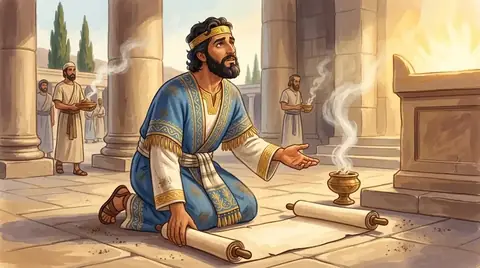 Person · KingHezekiahOne of Judah's best kings. He cleansed the temple, smashed the idols, trusted God when Assyria besieged Jerusalem, and…
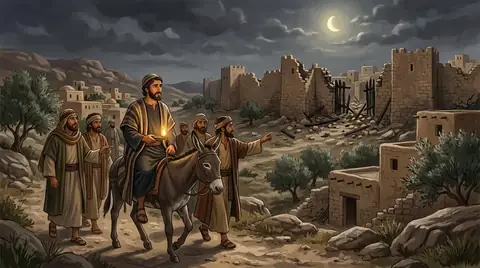 PersonNehemiahThe king of Persia's cupbearer who got leave to go to Jerusalem and rebuilt its broken walls in fifty-two days, despite…
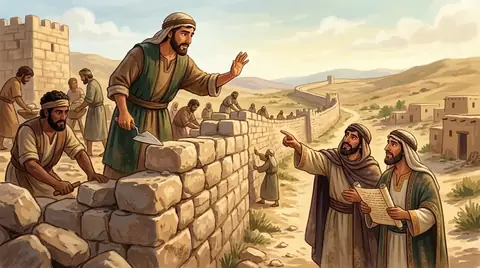 PersonSanballatA powerful leader in Samaria who did all he could to stop Nehemiah rebuilding the walls of Jerusalem: mockery, threats…
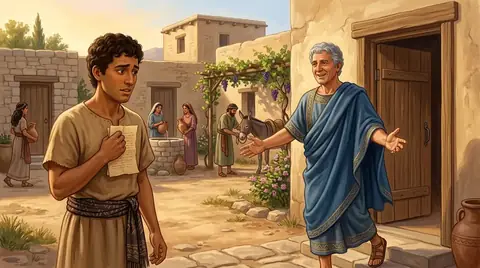 PersonOnesimusA runaway slave from Colossae who met Paul, became a Christian, and was sent back to his master Philemon with Paul's…
Written for this app in its own words, from the Bible, with the facts checked against Bible dictionaries and encyclopedias: Easton's, Smith's, Fausset's, ISBE, Holman, the New Bible Dictionary, Vine's and the Thompson Chain topics.
