
Teaching
Laughter
The Bible knows the laughter of joy, of doubt and of scorn. There is a time to laugh; Sarah laughed in disbelief, then for joy; and God laughs at the proud who plot against him.
- A time
- "A time to weep, and a time to laugh" (Ecclesiastes 3:4)
- Isaac
- His name means "he laughs" (Genesis 21:6)
In the Bible
When God promised Abraham and Sarah a son in their old age, both laughed, not believing it could be (Genesis 17:17; Genesis 18:12). When Isaac was born, Sarah said, "God hath made me to laugh, so that all that hear will laugh with me" (Genesis 21:6). Doubt was turned to joy.
There is "a time to weep, and a time to laugh" (Ecclesiastes 3:4). When God brought the exiles home, "then was our mouth filled with laughter" (Psalms 126:2). But laughter can also be empty: "Even in laughter the heart is sorrowful" (Proverbs 14:13). Jesus warned those who laugh now with no thought of God that they will mourn (Luke 6:25), and promised the weeping, "ye shall laugh" (Luke 6:21).
God's laughter
"He that sitteth in the heavens shall laugh" at the kings who plot against his Anointed (Psalms 2:4; Psalms 37:13; Psalms 59:8). It is not cruelty but certainty: their plans are no threat to him.
Key verses
- Genesis 21:6
And Sarah said, God hath made me to laugh, so that all that hear will laugh with me.
- Ecclesiastes 3:4
A time to weep, and a time to laugh; a time to mourn, and a time to dance;
- Psalms 126:2
Then was our mouth filled with laughter, and our tongue with singing: then said they among the heathen, The Lord hath done great things for them.
- Psalms 2:4
He that sitteth in the heavens shall laugh: the Lord shall have them in derision.
- Luke 6:21
Blessed are ye that hunger now: for ye shall be filled. Blessed are ye that weep now: for ye shall laugh.
Read next
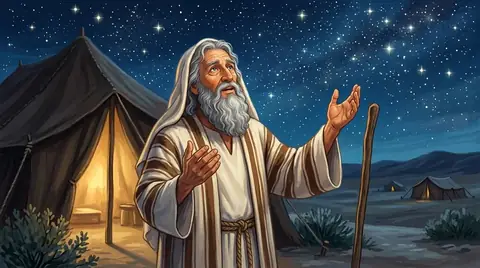 PersonAbrahamThe man God called out of Ur to a land he had never seen, promising him a people and a blessing for the whole world. He…
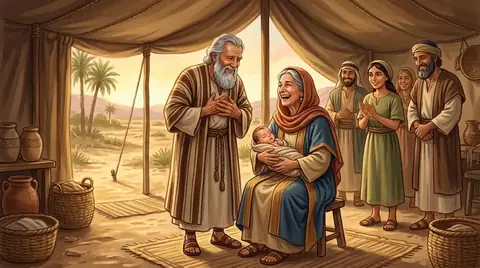 PersonSarahAbraham's wife and the mother of Isaac. She waited past ninety for the son God had promised, laughed when she heard it…
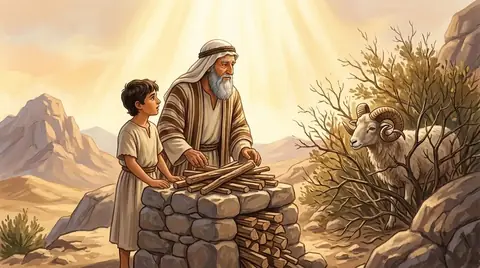 PersonIsaacThe son God promised to Abraham and Sarah when they were far too old for children, offered on Mount Moriah and spared.…
Written for this app in its own words, from the Bible, with the facts checked against Bible dictionaries and encyclopedias: Easton's, Smith's, Fausset's, ISBE, Holman, the New Bible Dictionary, Vine's and the Thompson Chain topics.
