
Teaching
Justice
Also called equity, judgment, fairness
Giving every person what is rightly theirs, without favour to rich or poor. God is perfectly just, and he requires his people to be just in their courts, their trade and their treatment of the weak.
- Hebrew
- Mishpat, judgment or justice; tsedeq, righteousness
- Key text
- "do justly, and to love mercy, and to walk humbly with thy God" (Micah 6:8)
The problem
People bend justice. Judges take bribes, the powerful crush the poor, witnesses lie, merchants use false weights. The prophets saw it all around them: "they sold the righteous for silver, and the poor for a pair of shoes" (Amos 2:6).
In the Old Testament
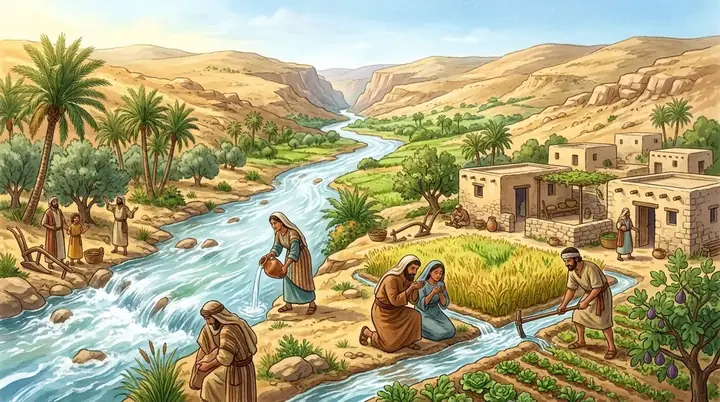
God's law commanded fair courts. Judges must not favour the rich, nor the poor either; they must not take gifts, which blind the eyes of the wise; they must hear both sides and hold to true weights and measures (Exodus 23:1–8; Leviticus 19:15, 35–36; Deuteronomy 16:18–20). Special care was owed to the widow, the orphan, the stranger and the slave, because Israel had been slaves in Egypt and God had rescued them (Deuteronomy 24:17–18). The king's first duty was to judge the people with righteousness and defend the poor (Psalms 72:1–4). Amos cried, "let judgment run down as waters, and righteousness as a mighty stream" (Amos 5:24), and Micah summed up God's demand as doing justice, loving mercy and walking humbly with God.
All this flows from God's own character. "Shall not the Judge of all the earth do right?" asked Abraham (Genesis 18:25). The LORD loves justice, and he will not clear the guilty or condemn the innocent.
In Jesus
Jesus charged the Pharisees with tithing their herbs while they passed over "judgment, mercy, and faith", the weightier things of the law (Matthew 23:23). He taught his followers to judge with right judgment, not by appearances (John 7:24), and to treat others as they would be treated. At the cross God's justice and mercy met: sin was punished in full, and the sinner forgiven (Romans 3:26).
For us
Christians are to be fair in every dealing, to speak up for those who cannot speak for themselves (Proverbs 31:8–9), and to leave vengeance to God, who will judge the world in righteousness. We can be patient under injustice because the Judge is coming.
Key verses
- Deuteronomy 16:18–20
Judges and officers shalt thou make thee in all thy gates, which the Lord thy God giveth thee, throughout thy tribes: and they shall judge the people with just judgment. Thou shalt not wrest judgment; thou shalt not respect persons, neither take a gift: for a gift doth blind the eyes of the wise, and pervert the words of the righteous. That which is altogether just shalt thou follow, that thou mayest live, and inherit the land which the Lord thy God giveth thee.
- Amos 5:24
But let judgment run down as waters, and righteousness as a mighty stream.
- Micah 6:8
He hath shewed thee, O man, what is good; and what doth the Lord require of thee, but to do justly, and to love mercy, and to walk humbly with thy God?
- Matthew 23:23
Woe unto you, scribes and Pharisees, hypocrites! for ye pay tithe of mint and anise and cummin, and have omitted the weightier matters of the law, judgment, mercy, and faith: these ought ye to have done, and not to leave the other undone.
- Romans 3:26
To declare, I say, at this time his righteousness: that he might be just, and the justifier of him which believeth in Jesus.
Read next
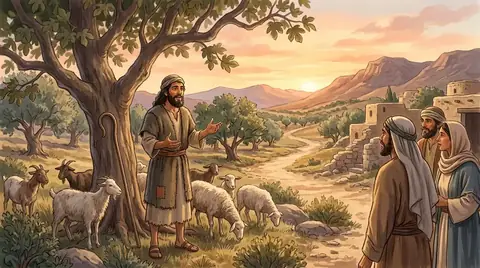 PersonAmosA shepherd and fig-grower from Tekoa in Judah whom God sent to warn the rich northern kingdom of Israel. He called for…PersonMicahA prophet of Judah in the days of Isaiah, from the country town of Moresheth, who denounced injustice and foretold that…
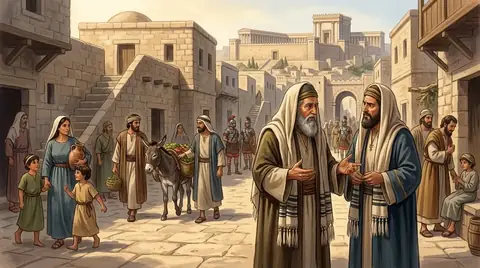 GroupPhariseesThe most exacting of the Jewish religious parties in Jesus' day, devoted to keeping the Law and the traditions added to…
Written for this app in its own words, from the Bible, with the facts checked against Bible dictionaries and encyclopedias: Easton's, Smith's, Fausset's, ISBE, Holman, the New Bible Dictionary, Vine's and the Thompson Chain topics.
