
Nature · Sky
Eclipse
The sun or moon going dark. The Bible never uses the word, but the prophets speak of the sun setting at noon and the moon turning to blood as signs of God's judgement.
- Where
- Amos 8:9; Joel 2:31; Isaiah 13:10; Matthew 24:29; Acts 2:20; Revelation 6:12
- Meaning
- A sign that God is acting in judgement; the lights of the world fail before him
In the prophets
To people who had no warning of them, a darkened sun or a copper-red moon was terrifying, and the prophets used that fear. Amos told Israel that God would "cause the sun to go down at noon" (Amos 8:9). Joel said the sun would turn to darkness and the moon to blood before the great day of the LORD (Joel 2:31), words Peter quoted on the day of Pentecost (Acts 2:20). Isaiah said the same of the fall of Babylon (Isaiah 13:10), and Jesus of his coming again (Matthew 24:29). Whether or not a real eclipse lay behind any of these, the point is the same: the sun and moon are creatures, and when their Maker comes in judgement, even they go out.
The darkness at the cross
When Jesus hung on the cross there was darkness over the land from noon until three in the afternoon (Matthew 27:45). This was not an ordinary eclipse of the sun. The Passover falls at full moon, when the moon is on the far side of the earth from the sun and cannot cover it; and an eclipse darkens the sky for a few minutes, not three hours. The Gospels present it as a sign from God: the judgement the prophets spoke of was falling on his Son.
Key verses
- Amos 8:9
And it shall come to pass in that day, saith the Lord God, that I will cause the sun to go down at noon, and I will darken the earth in the clear day:
- Joel 2:31
The sun shall be turned into darkness, and the moon into blood, before the great and the terrible day of the Lord come.
- Matthew 27:45
Now from the sixth hour there was darkness over all the land unto the ninth hour.
- Acts 2:20
The sun shall be turned into darkness, and the moon into blood, before that great and notable day of the Lord come:
Read next
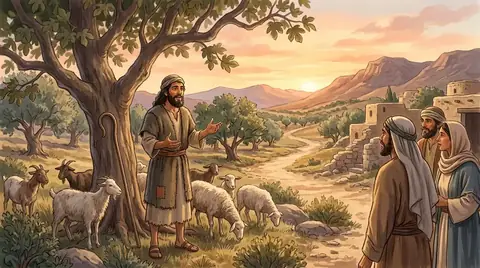 PersonAmosA shepherd and fig-grower from Tekoa in Judah whom God sent to warn the rich northern kingdom of Israel. He called for…
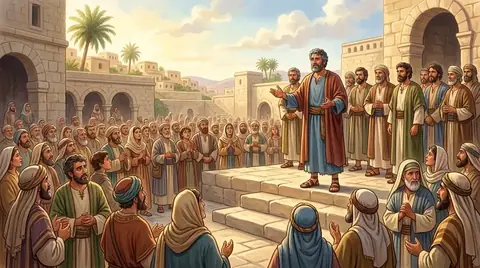 PersonJoelThe prophet who wrote the book of Joel. He saw a plague of locusts as a warning of the day of the LORD and promised…
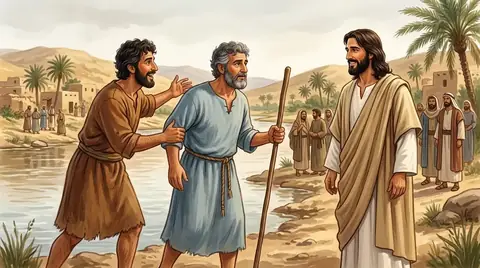 PersonPeterA Galilean fisherman who became the leader of the twelve apostles. Bold and impulsive, he confessed Jesus as the…
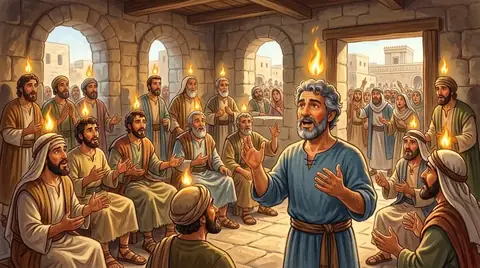 FeastPentecost (the Feast of Weeks)The harvest feast kept fifty days after Passover, when two loaves baked from the new wheat were offered to God. On the…
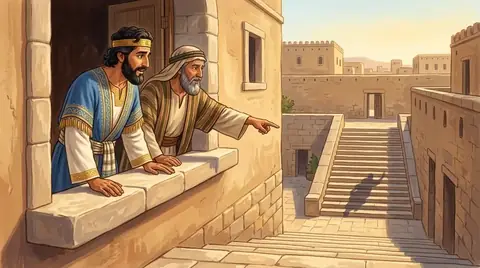 Person · ProphetIsaiahThe prophet of Jerusalem who served four kings, saw the LORD on his throne, and foretold the virgin's son, the…
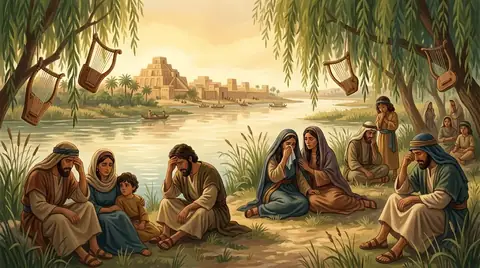 Place · CityBabylonThe great city on the Euphrates where the tower of Babel was built. Under Nebuchadnezzar it ruled the world, destroyed…
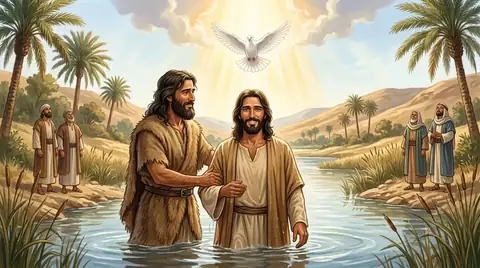 Person · The Son of GodJesus ChristThe Son of God, born of the virgin Mary, who lived a sinless life, died on a cross for the sins of the world and rose…
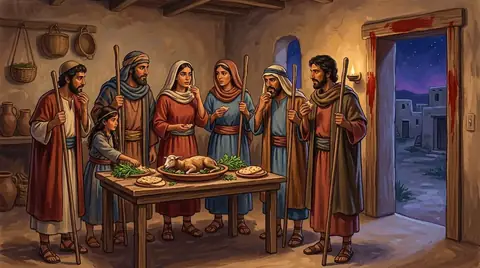 FeastPassoverThe yearly feast remembering the night God rescued Israel from Egypt, when death passed over every house marked with a…
Written for this app in its own words, from the Bible, with the facts checked against Bible dictionaries and encyclopedias: Easton's, Smith's, Fausset's, ISBE, Holman, the New Bible Dictionary, Vine's and the Thompson Chain topics.
