
Thing · War
Chariot
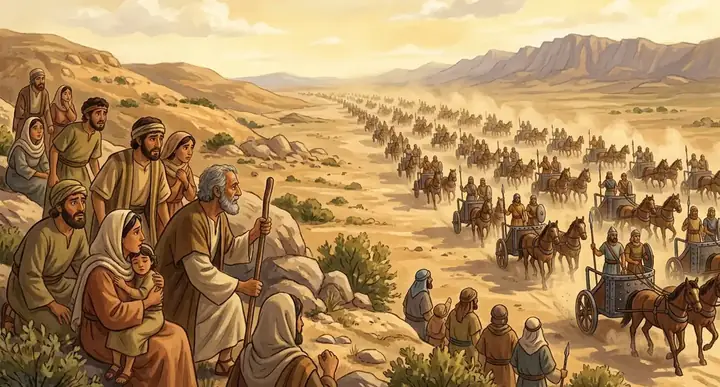
A light two-wheeled car drawn by horses, the tank of the ancient world. Pharaoh's chariots were drowned in the Red Sea, Canaanite iron chariots frightened Israel, and Elijah went to heaven in a chariot of fire.
- Used for
- War; royal processions; travel by the great (Genesis 41:43; Acts 8:28)
- Famous
- Pharaoh's 600 (Exodus 14:7); Sisera's 900 of iron (Judges 4:3); Solomon's 1,400 (1 Kings 10:26)
- Of God
- The chariots of fire (2 Kings 2:11; 2 Kings 6:17)
What it was
A chariot was a small platform on two spoked wheels, open at the back, pulled by two horses. It carried a driver and a warrior with bow or spear. Fast and frightening on flat ground, chariots gave an army a huge advantage, which is why the tribes could drive out the Canaanites of the hills but not those of the valleys who "had chariots of iron" (Judges 1:19).
In the Old Testament
Joseph rode in Pharaoh's second chariot as ruler of Egypt (Genesis 41:43). At the Red Sea Pharaoh pursued Israel with six hundred chosen chariots, and God took off their wheels and drowned them (Exodus 14:7–28). Deborah and Barak defeated Sisera's nine hundred iron chariots when a storm bogged them down at the river Kishon (Judges 4–5). Israel's kings were told not to multiply horses, but Solomon built up fourteen hundred chariots, buying them from Egypt (Deuteronomy 17:16; 1 Kings 10:26–29), and chariot warfare became part of Israel's wars. Ahab died in his chariot at Ramoth-gilead (1 Kings 22:34–35).
God's chariots
God needs no chariots, yet the Bible pictures his power that way. Elijah was taken up to heaven by a chariot and horses of fire (2 Kings 2:11), and when the Syrians surrounded Elisha at Dothan, his servant's eyes were opened to see the hills full of horses and chariots of fire (2 Kings 6:17). The psalmist says God's chariots are twenty thousand, and that he makes the clouds his chariot (Psalms 68:17; Psalms 104:3). "Some trust in chariots, and some in horses: but we will remember the name of the LORD our God" (Psalms 20:7).
In the New Testament
The one chariot in the New Testament belongs to the Ethiopian eunuch, a high official riding home reading Isaiah, whom Philip joined and led to Christ (Acts 8:28–38).
Key verses
- Exodus 14:7
And he took six hundred chosen chariots, and all the chariots of Egypt, and captains over every one of them.
- Judges 4:3
And the children of Israel cried unto the Lord: for he had nine hundred chariots of iron; and twenty years he mightily oppressed the children of Israel.
- 2 Kings 2:11
And it came to pass, as they still went on, and talked, that, behold, there appeared a chariot of fire, and horses of fire, and parted them both asunder; and Elijah went up by a whirlwind into heaven.
- 2 Kings 6:17
And Elisha prayed, and said, Lord, I pray thee, open his eyes, that he may see. And the Lord opened the eyes of the young man; and he saw: and, behold, the mountain was full of horses and chariots of fire round about Elisha.
- Psalms 20:7
Some trust in chariots, and some in horses: but we will remember the name of the Lord our God.
- Acts 8:28
Was returning, and sitting in his chariot read Esaias the prophet.
Read next
 Title · RulerPharaohNot a personal name but the title borne by every king of Egypt, like "Caesar". The Bible names several, the best known…
 Person · EnemySiseraThe Canaanite general with nine hundred iron chariots who crushed Israel for twenty years. Deborah and Barak routed his…
 Person · KingSolomonDavid's son and Israel's third king, who asked God for wisdom and received riches and fame as well. He built the temple…
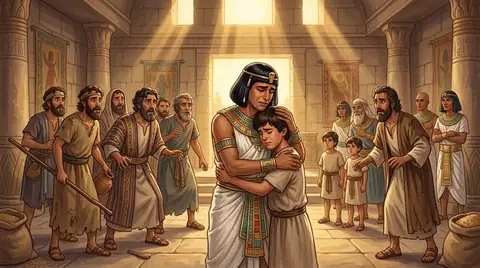 PersonJosephJacob's favourite son, sold by his brothers into Egypt, where he rose from prison to rule the land and saved his family…
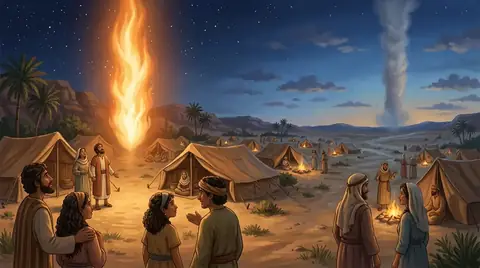 PlaceRed SeaThe sea God parted so Israel could escape from Egypt on dry ground, and then closed over Pharaoh's army. Its crossing…
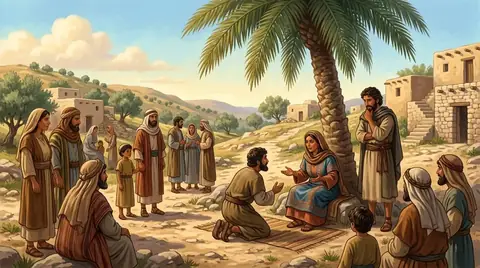 PersonDeborahA prophetess who judged Israel from under a palm tree in Ephraim. She summoned Barak to fight Sisera, went with him to…
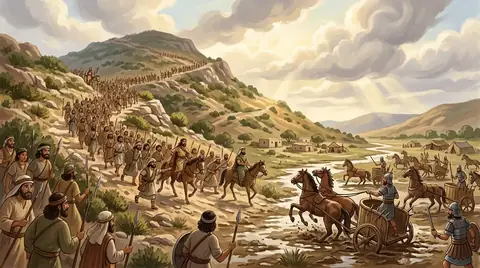 PersonBarakThe commander from Naphtali who, with the prophetess Deborah beside him, led ten thousand men down Mount Tabor and…Place · RiverKishonThe stream that drains the valley of Jezreel to the Mediterranean below Mount Carmel. It swept away Sisera's chariots…
Written for this app in its own words, from the Bible, with the facts checked against Bible dictionaries and encyclopedias: Easton's, Smith's, Fausset's, ISBE, Holman, the New Bible Dictionary, Vine's and the Thompson Chain topics.
