
Word · Picture
Bitter
A sharp, unpleasant taste, and so a picture of suffering, sorrow and sin. Egypt made Israel's lives bitter, the Passover was eaten with bitter herbs, and the New Testament warns against a "root of bitterness" in the heart.
- Suffering
- Exodus 1:14; Ruth 1:20; Lamentations 3:15
- Passover
- Bitter herbs (Exodus 12:8)
- Sin
- Acts 8:23; Ephesians 4:31; Hebrews 12:15
- Compare
- Bitter herbs, Wormwood, Gall
Suffering
The Egyptians "made their lives bitter with hard bondage" (Exodus 1:14), and Israel ate the Passover lamb with bitter herbs to remember it (Exodus 12:8). Naomi asked to be called Mara, "bitter", for God had dealt bitterly with her (Ruth 1:20). "The heart knoweth his own bitterness" (Proverbs 14:10). The Chaldeans were "that bitter and hasty nation", fierce and cruel (Habakkuk 1:6).
Sin
Bitterness is also a sin of the heart, a sour resentment that poisons others. Peter told Simon the sorcerer that he was "in the gall of bitterness" (Acts 8:23). Hebrews warns against any "root of bitterness springing up" to trouble and defile the church (Hebrews 12:15), and Paul says, "Let all bitterness, and wrath, and anger ... be put away from you" (Ephesians 4:31). The end of sin, though it seems sweet, is "bitter as wormwood" (Proverbs 5:4).
For us
At Marah God made bitter water sweet (Exodus 15:23–25). Christ drank the bitter cup for us, so that we can forgive as we have been forgiven (Ephesians 4:32).
Key verses
- Exodus 1:14
And they made their lives bitter with hard bondage, in morter, and in brick, and in all manner of service in the field: all their service, wherein they made them serve, was with rigour.
- Exodus 12:8
And they shall eat the flesh in that night, roast with fire, and unleavened bread; and with bitter herbs they shall eat it.
- Ruth 1:20
And she said unto them, Call me not Naomi, call me Mara: for the Almighty hath dealt very bitterly with me.
- Hebrews 12:15
Looking diligently lest any man fail of the grace of God; lest any root of bitterness springing up trouble you, and thereby many be defiled;
- Ephesians 4:31–32
Let all bitterness, and wrath, and anger, and clamour, and evil speaking, be put away from you, with all malice: And be ye kind one to another, tenderhearted, forgiving one another, even as God for Christ’s sake hath forgiven you.
Read next
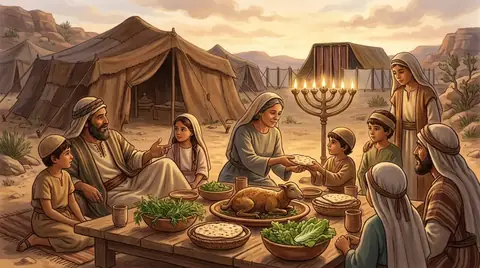 Plant · FeastsBitter herbsSharp-tasting green plants, such as wild lettuce and endive, eaten with the Passover lamb to remember the bitterness of…
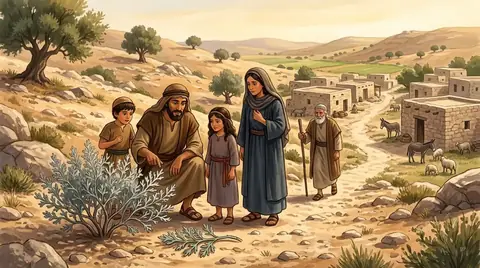 PlantWormwoodA grey shrub with a strong, bitter taste, growing in dry places. The Bible uses it for bitterness of every kind: the…Plant · PoisonGallAnything bitter or poisonous: bile, snake venom, a bitter plant often paired with wormwood, and the drugged drink…
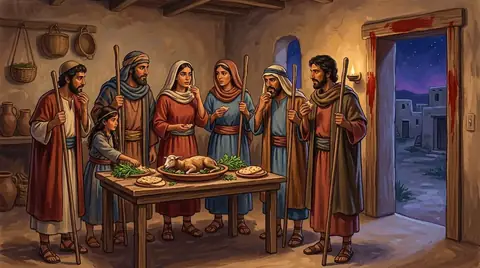 FeastPassoverThe yearly feast remembering the night God rescued Israel from Egypt, when death passed over every house marked with a…
 PersonNaomiA widow of Bethlehem who lost her husband and both sons in Moab, came home bitter and empty, and found through her…
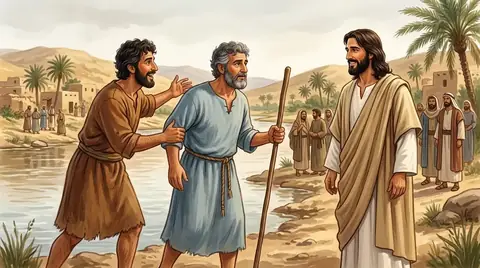 PersonPeterA Galilean fisherman who became the leader of the twelve apostles. Bold and impulsive, he confessed Jesus as the…
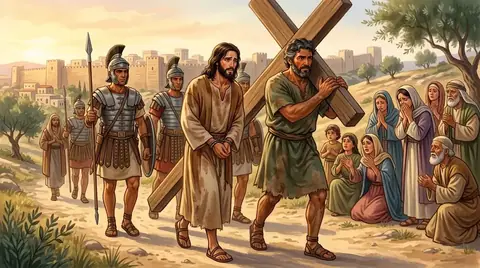 PersonSimonA very common name in New Testament times. Besides Simon Peter, the Bible names a second apostle, a brother of Jesus…
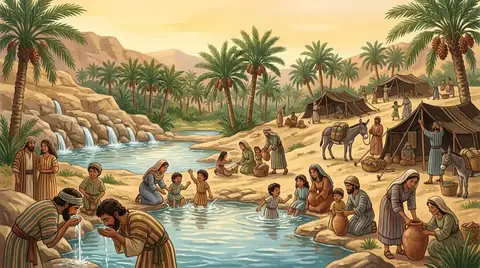 PlaceMarahThe first place Israel stopped for water after crossing the Red Sea. The water was bitter, but God showed Moses a tree…
Written for this app in its own words, from the Bible, with the facts checked against Bible dictionaries and encyclopedias: Easton's, Smith's, Fausset's, ISBE, Holman, the New Bible Dictionary, Vine's and the Thompson Chain topics.
