
Idol
Succoth-benoth
SUK-oth-BEE-nothHebrew "booths of daughters"
An idol worshipped by settlers from Babylon whom the king of Assyria brought to Samaria after Israel was carried away. The name means "booths of daughters"; what it stood for isn't certain.
- Where
- 2 Kings 17:30
- Worshipped by
- The men of Babylon settled in Samaria
After the fall of Samaria in 722 BC, the king of Assyria moved people from Babylon, Cuthah, Ava, Hamath and Sepharvaim into the cities of Israel (2 Kings 17:24). Each group brought its own god: "the men of Babylon made Succoth-benoth, and the men of Cuth made Nergal" (2 Kings 17:30). The name means "booths" or "tents of daughters". Some think it was a Babylonian goddess's name turned into Hebrew; others that it refers to shrines connected with her worship. It isn't certain.
When lions troubled the settlers, the king sent back an Israelite priest to teach them how to fear the LORD. So "they feared the LORD, and served their own gods" (2 Kings 17:25–33). This mixed worship was the background of the Samaritans of later times. God does not share his people's worship with others (Exodus 20:3).
Key verses
- 2 Kings 17:24
And the king of Assyria brought men from Babylon, and from Cuthah, and from Ava, and from Hamath, and from Sepharvaim, and placed them in the cities of Samaria instead of the children of Israel: and they possessed Samaria, and dwelt in the cities thereof.
- 2 Kings 17:30
And the men of Babylon made Succoth–benoth, and the men of Cuth made Nergal, and the men of Hamath made Ashima,
- 2 Kings 17:33
They feared the Lord, and served their own gods, after the manner of the nations whom they carried away from thence.
Read next
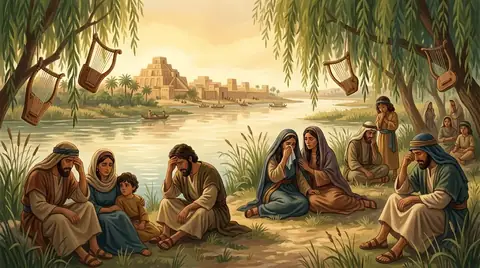 Place · CityBabylonThe great city on the Euphrates where the tower of Babel was built. Under Nebuchadnezzar it ruled the world, destroyed…
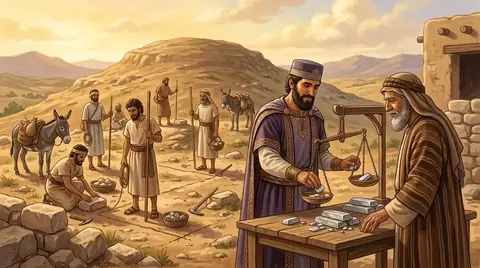 Place · City and regionSamariaThe hill city Omri built as capital of the northern kingdom of Israel. It saw Ahab and Jezebel, Elijah and Elisha…
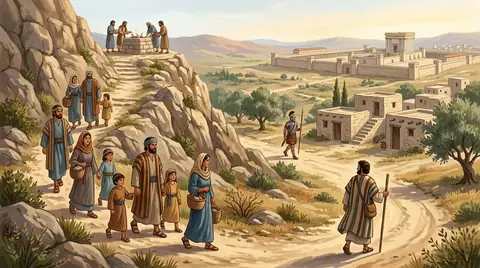 Group · PeopleSamaritansThe mixed people of central Israel, descended from Israelites left behind by the Assyrians and settlers brought in from…
Written for this app in its own words, from the Bible, with the facts checked against Bible dictionaries and encyclopedias: Easton's, Smith's, Fausset's, ISBE, Holman, the New Bible Dictionary, Vine's and the Thompson Chain topics.
