
Custom · Law
Roman citizenship
New Testament · a legal status in the Roman Empire
The rights of a full member of the Roman Empire: no flogging or punishment without a fair trial, and the right to appeal to the emperor. Paul, a citizen from birth, used it to shield the gospel.
- Rights
- A proper trial, no scourging, appeal to Caesar
- How gained
- By birth, by purchase, or as a reward for service (Acts 22:28)
- Who had it
- Paul from birth; the commander Claudius Lysias bought his
What it was
Most people who lived under Rome were not Romans. A citizen was something more: a man the empire counted as its own, with rights that an ordinary subject did not have. He could not be bound and beaten before he had been tried, he had to be given a proper hearing, and if a local court went against him he could ask for the emperor himself to judge his case. Citizenship could be inherited, bought for a large sum, or given as a reward.
Paul's citizenship
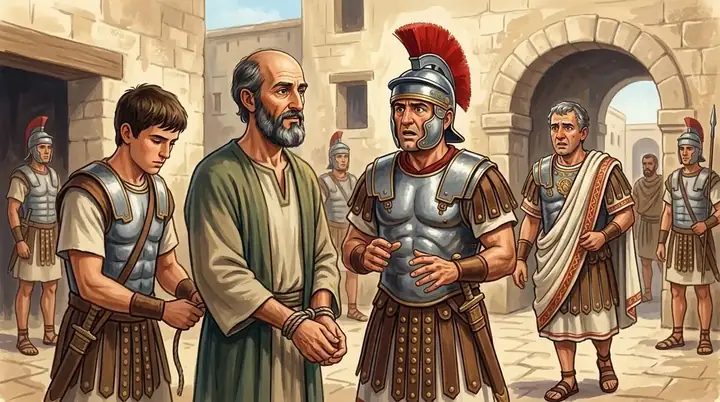
Paul was born in Tarsus and was a citizen from birth (Acts 22:28). He did not often mention it, but he used it at the right moments. At Philippi the magistrates had him beaten and jailed without a trial; the next morning he refused to slip quietly away and made them come and apologise in person, which protected the young church he was leaving behind (Acts 16:37–38). In Jerusalem a Roman commander was about to have him flogged, and a quiet question, "Is it lawful for you to scourge a man that is a Roman?", stopped the whole thing (Acts 22:25–29). Later, before Festus, he appealed to Caesar, and that appeal carried him to Rome to preach there (Acts 25:10–12).
A greater citizenship
Writing to the Philippians, who were proud of their own Roman status, Paul reminded them that "our conversation is in heaven", that is, our citizenship (Philippians 3:20). Earthly rights are a gift to be used well, but a Christian's real home and loyalty lie elsewhere.
Key verses
- Acts 16:37–38
But Paul said unto them, They have beaten us openly uncondemned, being Romans, and have cast us into prison; and now do they thrust us out privily? nay verily; but let them come themselves and fetch us out. And the serjeants told these words unto the magistrates: and they feared, when they heard that they were Romans.
- Acts 22:25–29
And as they bound him with thongs, Paul said unto the centurion that stood by, Is it lawful for you to scourge a man that is a Roman, and uncondemned? When the centurion heard that, he went and told the chief captain, saying, Take heed what thou doest: for this man is a Roman. Then the chief captain came, and said unto him, Tell me, art thou a Roman? He said, Yea. …
- Acts 25:10–12
Then said Paul, I stand at Cesar’s judgment seat, where I ought to be judged: to the Jews have I done no wrong, as thou very well knowest. For if I be an offender, or have committed any thing worthy of death, I refuse not to die: but if there be none of these things whereof these accuse me, no man may deliver me unto them. I appeal unto Cesar. Then Festus, when he had conferred with the council, answered, Hast thou appealed unto Cesar? unto Cesar shalt thou go.
- Philippians 3:20
For our conversation is in heaven; from whence also we look for the Saviour, the Lord Jesus Christ:
Read next
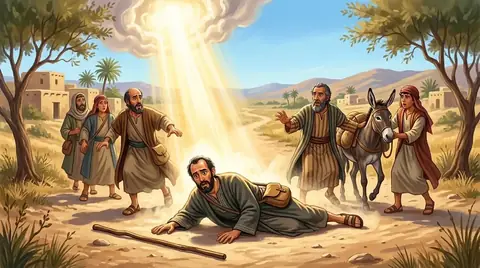 PersonPaulA Pharisee who hated the church until the risen Jesus met him on the road to Damascus. He became the apostle to the…
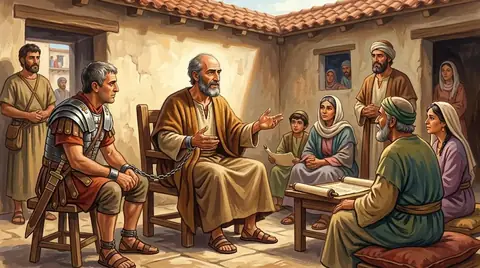 Place · CityRomeThe capital of the empire that ruled the Mediterranean world in New Testament times. Paul longed to preach there…
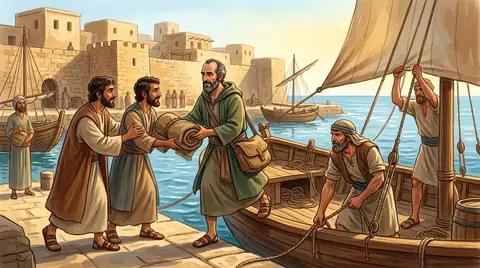 PlaceTarsusA rich, learned city in the south-east of Asia Minor and the home town of the apostle Paul, who called it "no mean…
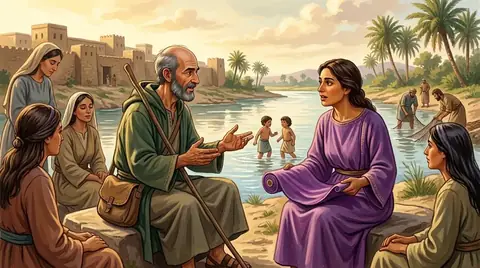 PlacePhilippiA Roman colony in Macedonia, in northern Greece, where Paul founded the first church in Europe. Lydia and a jailer were…
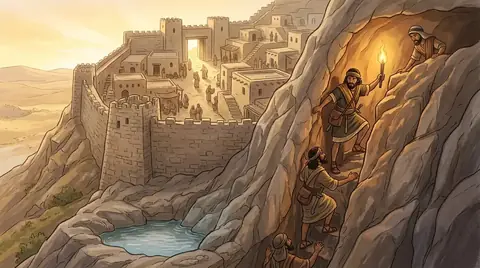 PlaceJerusalemThe city David made his capital and where Solomon built the temple. Jesus died and rose there and the church began…
Written for this app in its own words, from the Bible, with the facts checked against Bible dictionaries and encyclopedias: Easton's, Smith's, Fausset's, ISBE, Holman, the New Bible Dictionary, Vine's and the Thompson Chain topics.
