
Teaching
Resurrection
The raising of the dead to bodily life. The Old Testament hoped for it, Jesus promised it and rose first, and the New Testament teaches that all will be raised at the last day, believers to eternal life with bodies like his glorious body.
- Promised
- "Thy dead men shall live" (Isaiah 26:19); "many... shall awake" (Daniel 12:2)
- Jesus said
- "I am the resurrection, and the life" (John 11:25)
- The body
- Sown in weakness, raised in power (1 Corinthians 15:42–44)
- Also called
- Resurrection of the dead
The hope of the Old Testament
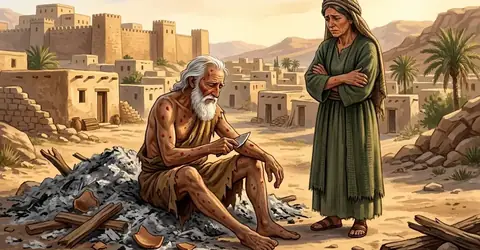
Job, in his darkest hour, said, "I know that my redeemer liveth... and though after my skin worms destroy this body, yet in my flesh shall I see God" (Job 19:25–26). David trusted that God would not leave his soul in the grave (Psalms 16:10). Isaiah promised, "Thy dead men shall live, together with my dead body shall they arise" (Isaiah 26:19), and Ezekiel saw a valley of dry bones come together, take on flesh and stand up alive (Ezekiel 37:1–14). Daniel was told that many who sleep in the dust would awake, some to everlasting life and some to shame (Daniel 12:2). Hebrews says Abraham offered Isaac believing God could raise him from the dead (Hebrews 11:19).
In Jesus
The Sadducees denied any resurrection. Jesus answered that they knew neither the Scriptures nor God's power: God calls himself the God of Abraham, Isaac and Jacob, and he is not the God of the dead but of the living (Matthew 22:23–32). He said that all in the graves will hear his voice and come out, those who have done good to life, and those who have done evil to judgment (John 5:28–29). At Lazarus's tomb he said, "I am the resurrection, and the life" (John 11:25), and called Lazarus out. Then he rose himself, the first-fruits of those who sleep (1 Corinthians 15:20).
What it will be
Paul says the body is sown like a seed: sown in corruption, raised incorruptible; sown in weakness, raised in power; sown a natural body, raised a spiritual body (1 Corinthians 15:42–44). When Christ comes, the dead in Christ will rise first, and the living will be changed in a moment (1 Thessalonians 4:16; 1 Corinthians 15:51–52). He will change our lowly body to be like his glorious body (Philippians 3:21).
For us
Without it, Paul says, faith is futile; with it, death has lost its sting (1 Corinthians 15:17,55–57). Believers already share Christ's risen life, raised with him in baptism to walk in newness of life (Romans 6:4), and they bury their dead in sure hope.
Key verses
- Job 19:25–26
For I know that my redeemer liveth, and that he shall stand at the latter day upon the earth: And though after my skin worms destroy this body, yet in my flesh shall I see God:
- Daniel 12:2
And many of them that sleep in the dust of the earth shall awake, some to everlasting life, and some to shame and everlasting contempt.
- John 5:28–29
Marvel not at this: for the hour is coming, in the which all that are in the graves shall hear his voice, And shall come forth; they that have done good, unto the resurrection of life; and they that have done evil, unto the resurrection of damnation.
- John 11:25
Jesus said unto her, I am the resurrection, and the life: he that believeth in me, though he were dead, yet shall he live:
- 1 Corinthians 15:42–44
So also is the resurrection of the dead. It is sown in corruption; it is raised in incorruption: It is sown in dishonour; it is raised in glory: it is sown in weakness; it is raised in power: It is sown a natural body; it is raised a spiritual body. There is a natural body, and there is a spiritual body.
- 1 Thessalonians 4:16
For the Lord himself shall descend from heaven with a shout, with the voice of the archangel, and with the trump of God: and the dead in Christ shall rise first:
Read next
Written for this app in its own words, from the Bible, with the facts checked against Bible dictionaries and encyclopedias: Easton's, Smith's, Fausset's, ISBE, Holman, the New Bible Dictionary, Vine's and the Thompson Chain topics.
