
Measure · Weight and money
Pound
Three different things in the KJV: the Hebrew maneh, a weight of about 100 shekels; the Roman litra, about 12 ounces; and the Greek mina, a sum of money worth about three months' wages.
- Old Testament
- Maneh, a weight (1 Kings 10:17; Nehemiah 7:71–72)
- John
- Litra, the Roman pound, about 12 oz (327 g) (John 12:3; John 19:39)
- Luke
- Mina, 100 drachmas, about three months' pay (Luke 19:13–25)
Three words
The English "pound" stands for three words. The maneh of the Old Testament was a weight; Solomon's small golden shields each used three pounds of gold (1 Kings 10:17), and the returned exiles gave silver by the pound for the temple (Ezra 2:69). In John's Gospel the pound is the Roman litra, about twelve ounces (327 g): Mary of Bethany poured a pound of costly ointment on Jesus' feet (John 12:3), and Nicodemus brought a hundred pounds of spices for his burial (John 19:39). See pound of ointment.
The parable of the pounds
In Luke the pound is the mina, a sum of silver worth a hundred days' wages. Jesus told of a nobleman who gave ten servants a pound each and went away to be made king. On his return one had turned his pound into ten, another into five, and each was given cities to rule; but one had wrapped his in a cloth out of fear, and lost even that (Luke 19:11–27). The lesson is that what the Lord entrusts to us is to be put to work until he comes.
Key verses
- 1 Kings 10:17
And he made three hundred shields of beaten gold; three pound of gold went to one shield: and the king put them in the house of the forest of Lebanon.
- John 12:3
Then took Mary a pound of ointment of spikenard, very costly, and anointed the feet of Jesus, and wiped his feet with her hair: and the house was filled with the odour of the ointment.
- Luke 19:13
And he called his ten servants, and delivered them ten pounds, and said unto them, Occupy till I come.
- Luke 19:20–26
And another came, saying, Lord, behold, here is thy pound, which I have kept laid up in a napkin: For I feared thee, because thou art an austere man: thou takest up that thou layedst not down, and reapest that thou didst not sow. And he saith unto him, Out of thine own mouth will I judge thee, thou wicked servant. Thou knewest that I was an austere man, taking up that I laid not down, and reaping that I did not sow: …
Read next
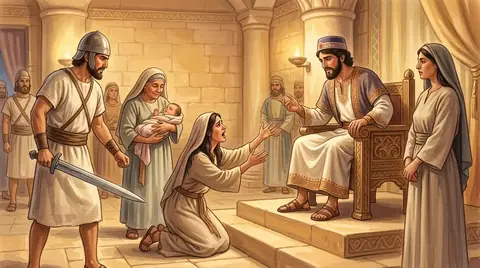 Person · KingSolomonDavid's son and Israel's third king, who asked God for wisdom and received riches and fame as well. He built the temple…
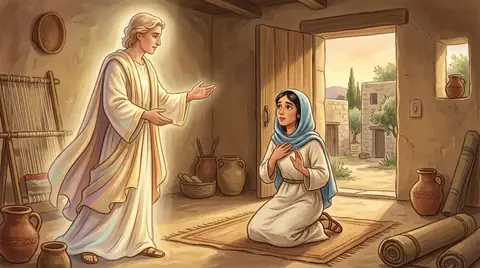 PersonMaryThe young woman of Nazareth chosen to be the mother of Jesus. She believed the angel's word, bore God's Son, and stood…
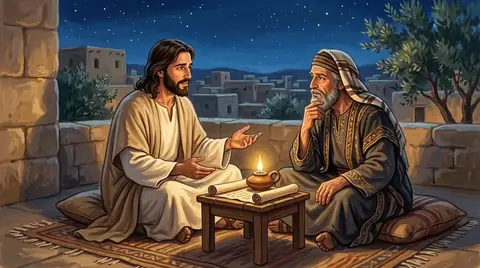 PersonNicodemusThe Pharisee who came to Jesus by night and was told he must be born again. He later spoke up for Jesus in the council…Measure · WeightPound of ointment (litra)The Roman pound, a little lighter than ours. Mary poured a whole pound of pure nard over Jesus' feet, and Nicodemus…
Written for this app in its own words, from the Bible, with the facts checked against Bible dictionaries and encyclopedias: Easton's, Smith's, Fausset's, ISBE, Holman, the New Bible Dictionary, Vine's and the Thompson Chain topics.
