
Teaching
Poor
God cares for the poor and commands his people to do the same. The law of Moses built their protection into daily life, and Jesus made kindness to the needy a mark of true faith.
- The law
- Gleanings left (Leviticus 19:9–10), no interest (Exodus 22:25), debts released (Deuteronomy 15:1–11), tithes shared (Deuteronomy 14:28–29)
- God's care
- "He raiseth up the poor out of the dust" (1 Samuel 2:8; Psalms 113:7)
- Jesus
- "Blessed are the poor in spirit" (Matthew 5:3); "the poor have the gospel preached to them" (Matthew 11:5)
In the law
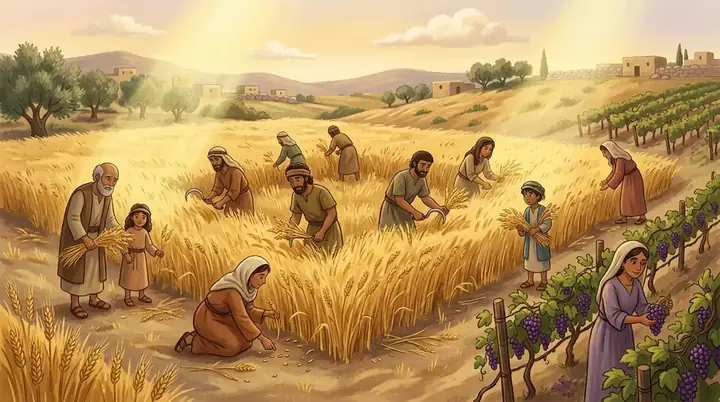
The law of Moses took it for granted that there would always be poor people in the land, and it built their care into ordinary life. Farmers left the corners of their fields and the fallen grapes for the poor and the stranger to gather, as Ruth did in the fields of Boaz (Leviticus 19:9–10; Ruth 2). Every seventh year the land rested and whatever grew was open to all (Exodus 23:11). A loan to a poor Israelite carried no interest, and a cloak taken as a pledge had to be returned before nightfall (Exodus 22:25–27). Wages were paid the same day (Leviticus 19:13). In the seventh year debts were cancelled, and God warned against hardening the heart as that year drew near (Deuteronomy 15:7–11). In the year of jubilee a family's sold land came home (Leviticus 25). The tithe of every third year went to the Levite, the stranger, the orphan and the widow (Deuteronomy 14:28–29), and the feasts were to include the poor (Deuteronomy 16:11–14). Even the sacrifices had a cheaper option: two doves instead of a lamb (Leviticus 5:7; Leviticus 12:8).
God's heart
The psalms and prophets say that God himself takes the side of the poor. He lifts them from the dust (1 Samuel 2:8), hears their cry (Psalms 34:6), and counts kindness to them as a loan to himself (Proverbs 19:17). The prophets thundered against those who "sell the righteous for silver, and the poor for a pair of shoes" (Amos 2:6), and a king who judged the poor fairly was said to know God (Jeremiah 22:16).
Jesus and the church
Jesus was born to a poor family and preached good news to the poor (Luke 4:18). He told the rich young ruler to sell what he had and give to them, praised the widow's two mites, and said that whatever was done for the hungry and the stranger was done for him (Matthew 25:35–40). He called the poor in spirit blessed: those who know they have nothing to bring to God (Matthew 5:3). The first believers shared their goods so that none went without (Acts 4:34), and Paul was asked above all to "remember the poor" (Galatians 2:10). James warns against flattering the rich and shaming the poor in church (James 2:1–6). Yet the able-bodied were to work and not beg (2 Thessalonians 3:10–12).
For us
Christ, who was rich, became poor so that we might be rich (2 Corinthians 8:9). An open hand to the needy is one of the plainest signs that his love is in us (1 John 3:17).
Key verses
- Deuteronomy 15:7–11
If there be among you a poor man of one of thy brethren within any of thy gates in thy land which the Lord thy God giveth thee, thou shalt not harden thine heart, nor shut thine hand from thy poor brother: But thou shalt open thine hand wide unto him, and shalt surely lend him sufficient for his need, in that which he wanteth. Beware that there be not a thought in thy wicked heart, saying, The seventh year, the year of release, is at hand; and thine eye be evil against thy poor brother, and thou givest him nought; and he cry unto the Lord against thee, and it be sin unto thee. …
- Proverbs 19:17
He that hath pity upon the poor lendeth unto the Lord; and that which he hath given will he pay him again.
- Matthew 25:40
And the King shall answer and say unto them, Verily I say unto you, Inasmuch as ye have done it unto one of the least of these my brethren, ye have done it unto me.
- 2 Corinthians 8:9
For ye know the grace of our Lord Jesus Christ, that, though he was rich, yet for your sakes he became poor, that ye through his poverty might be rich.
- James 2:5
Hearken, my beloved brethren, Hath not God chosen the poor of this world rich in faith, and heirs of the kingdom which he hath promised to them that love him?
Read next
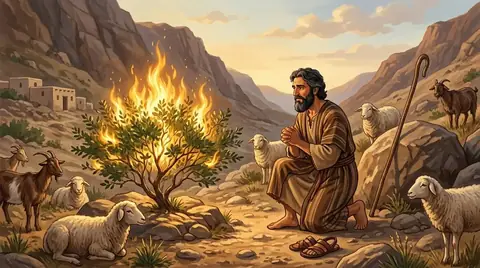 PersonMosesThe man God used to bring Israel out of Egypt, give them his Law at Sinai, and lead them for forty years in the…
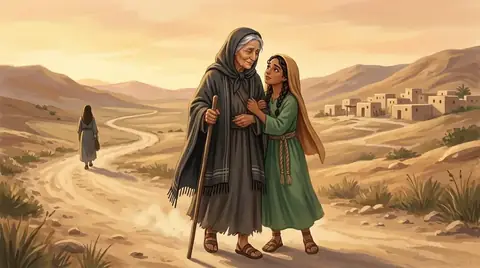 PersonRuthA young widow from Moab who left her own land to stay with her mother-in-law Naomi and trust Israel's God. She married…
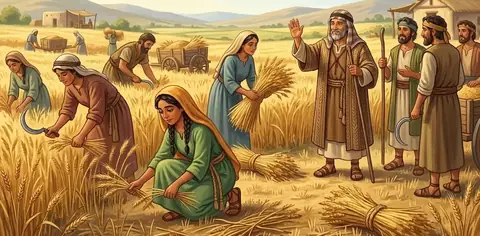 PersonBoazA wealthy farmer of Bethlehem who married Ruth, the Moabite widow, as her kinsman-redeemer. Their great-grandson was…
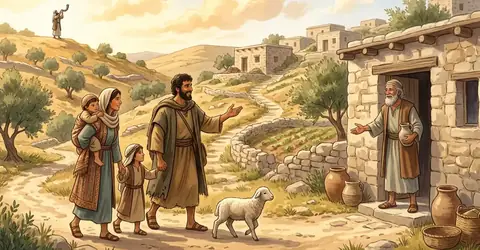 Feast · LawThe JubileeEvery fiftieth year in Israel, announced by a trumpet blast on the Day of Atonement. Sold land went back to its first…
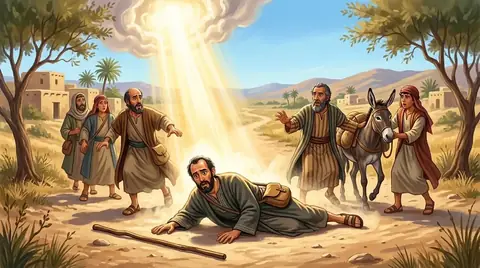 PersonPaulA Pharisee who hated the church until the risen Jesus met him on the road to Damascus. He became the apostle to the…
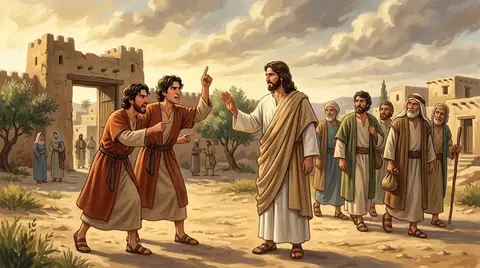 Person · ApostleJamesThe fisherman son of Zebedee, brother of John and one of Jesus' three closest disciples. Jesus called the brothers…
Written for this app in its own words, from the Bible, with the facts checked against Bible dictionaries and encyclopedias: Easton's, Smith's, Fausset's, ISBE, Holman, the New Bible Dictionary, Vine's and the Thompson Chain topics.
