
Feast · Law
The Jubilee
JOO-bil-eeHebrew yobel, "ram's horn" · every fiftieth year
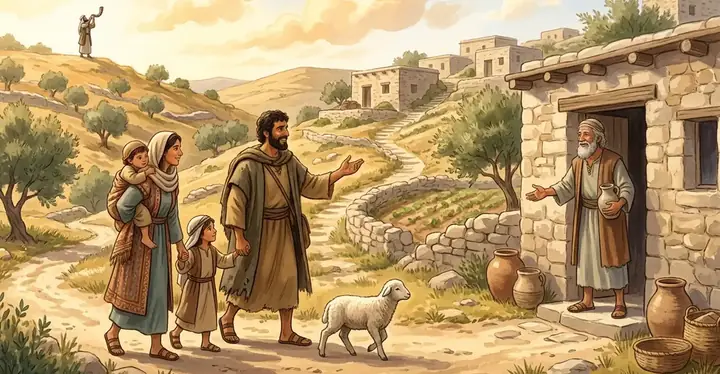
Every fiftieth year in Israel, announced by a trumpet blast on the Day of Atonement. Sold land went back to its first family, Hebrew slaves went free, and the fields rested for a year.
- When
- After seven Sabbath years, the fiftieth year; proclaimed on the Day of Atonement (Leviticus 25:8–10)
- What happened
- Land returned to its family, slaves set free, no sowing or reaping
- Also called
- The year of liberty (Ezekiel 46:17); "the acceptable year of the LORD" (Isaiah 61:2)
What it was
Every seventh year the land of Israel had a Sabbath rest. After seven of these, forty-nine years in all, came the fiftieth year, the Jubilee. On the tenth day of the seventh month, the Day of Atonement, a ram's horn was blown through the whole land, and liberty was proclaimed to everyone who lived in it (Leviticus 25:9–10). Those words are cut into the Liberty Bell in Philadelphia.
How it worked
Three things happened. Every field and house in the countryside went back to the family God had first given it to when the land was divided under Joshua. So nobody could really sell land for good: they sold the harvests until the next Jubilee, and the price fell as the year drew nearer (Leviticus 25:15–16). Every Israelite who had sold himself as a slave to pay his debts went free with his children (Leviticus 25:40–41). And the land itself rested: no sowing or reaping, only what grew of itself (Leviticus 25:11).
The reason God gave was that the land belonged to him, and the people were his servants whom he had brought out of Egypt; so neither could be owned for ever by another man (Leviticus 25:23, 42). The Jubilee stopped the rich from gathering up all the land and kept every family's hope alive. The Bible never records a Jubilee being kept, and the prophets complain of men who joined "house to house" and "field to field" (Isaiah 5:8).
Points to Christ
Isaiah used the Jubilee as a picture of the Messiah's work: he would proclaim liberty to the captives and "the acceptable year of the LORD" (Isaiah 61:1–2). Jesus read those words in the synagogue at Nazareth and said, "This day is this scripture fulfilled in your ears" (Luke 4:21). In him debts are cancelled, slaves of sin go free, and God's people come home.
Key verses
- Leviticus 25:8–13
And thou shalt number seven sabbaths of years unto thee, seven times seven years; and the space of the seven sabbaths of years shall be unto thee forty and nine years. Then shalt thou cause the trumpet of the jubile to sound on the tenth day of the seventh month, in the day of atonement shall ye make the trumpet sound throughout all your land. And ye shall hallow the fiftieth year, and proclaim liberty throughout all the land unto all the inhabitants thereof: it shall be a jubile unto you; and ye shall return every man unto his possession, and ye shall return every man unto his family. …
- Leviticus 25:23
The land shall not be sold for ever: for the land is mine; for ye are strangers and sojourners with me.
- Isaiah 61:1–2
The Spirit of the Lord God is upon me; because the Lord hath anointed me to preach good tidings unto the meek; he hath sent me to bind up the brokenhearted, to proclaim liberty to the captives, and the opening of the prison to them that are bound; To proclaim the acceptable year of the Lord, and the day of vengeance of our God; to comfort all that mourn;
- Luke 4:18–21
The Spirit of the Lord is upon me, because he hath anointed me to preach the gospel to the poor; he hath sent me to heal the brokenhearted, to preach deliverance to the captives, and recovering of sight to the blind, to set at liberty them that are bruised, To preach the acceptable year of the Lord. And he closed the book, and he gave it again to the minister, and sat down. And the eyes of all them that were in the synagogue were fastened on him. …
Read next
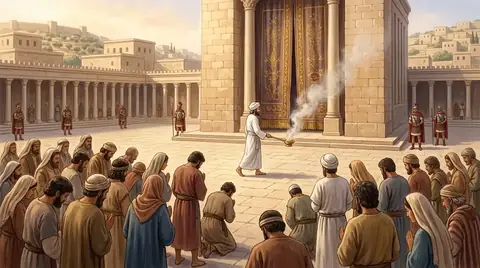 Feast · FastThe Day of AtonementThe one day in the year when the high priest went behind the veil with blood to atone for all Israel's sins, while a…
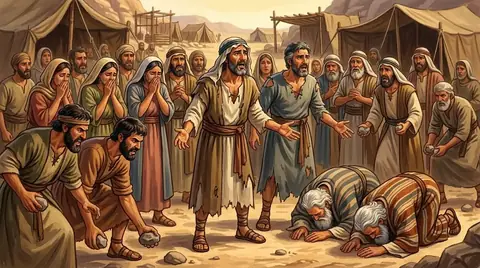 PersonJoshuaMoses' helper who took over from him and led Israel across the Jordan into the Promised Land. He fought the wars of…
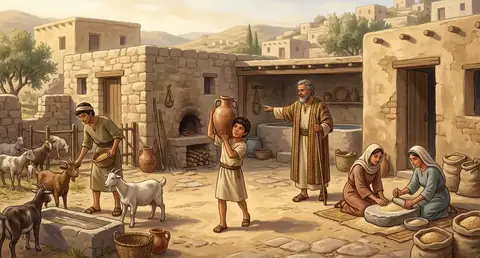 Custom · Daily lifeServants and slavesIn Bible times many people were slaves: through debt, through war, or by birth. The law of Moses limited and softened…
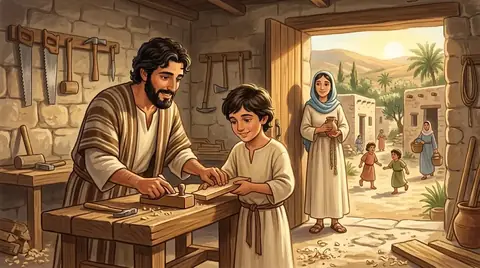 PlaceNazarethThe hill village in Galilee where Jesus grew up and where his own neighbours tried to throw him off a cliff. Gabriel…
Written for this app in its own words, from the Bible, with the facts checked against Bible dictionaries and encyclopedias: Easton's, Smith's, Fausset's, ISBE, Holman, the New Bible Dictionary, Vine's and the Thompson Chain topics.
