
Teaching · Daily life
Orphan
Old and New Testaments · usually "the fatherless" in the KJV
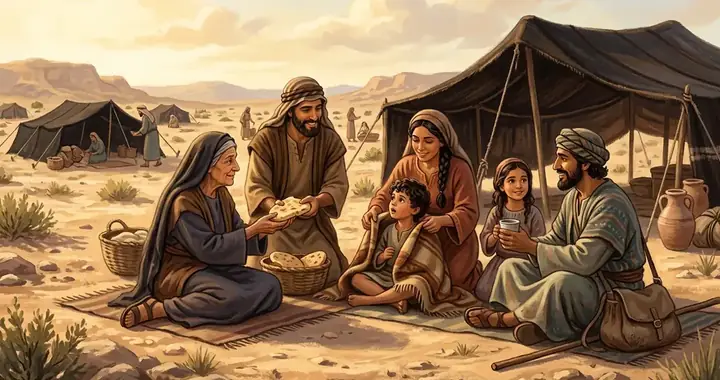
A child with no father to provide for and protect them. God calls himself the Father of the fatherless, and his law and his people are to care for them.
- In the KJV
- "Fatherless" in most places; "orphans" only once (Lamentations 5:3)
- God is
- "A father of the fatherless" (Psalms 68:5)
- Examples
- Esther, Mephibosheth, the boy king Joash
The problem
In Bible times a child without a father had no one to stand up for them, no land of their own, and little hope of fair treatment. So orphans were often named with widows and strangers as the people most easily pushed aside (Deuteronomy 24:17).
In the Old Testament
God made their care part of his law. Israel must not mistreat a widow or a fatherless child; if they cried to him, he would hear (Exodus 22:22–24). The sheaves forgotten in the field, the olives left on the tree and the last grapes were left for them (Deuteronomy 24:19–21), and every third year a tithe was shared with them (Deuteronomy 14:28–29). God himself takes up their cause (Deuteronomy 10:18; Psalms 146:9). The prophets rebuked Israel's leaders for failing to defend them (Isaiah 1:17; Isaiah 1:23), and when Jerusalem fell, the city mourned, "We are orphans and fatherless" (Lamentations 5:3).
The Bible tells of orphans whom God cared for: Esther, raised by her cousin Mordecai (Esther 2:7); Mephibosheth, Jonathan's lame son, to whom David showed kindness (2 Samuel 9:3–7); and Joash, hidden in the temple as a baby and made king (2 Kings 11:1–12).
In Jesus
On the night before he died, Jesus promised his friends, "I will not leave you comfortless" (John 14:18), using the Greek word for orphans: he would come to them by his Spirit. Through him believers are adopted as God's own children (Galatians 4:5–6).
For us
James says that pure religion includes visiting "the fatherless and widows in their affliction" (James 1:27). Caring for children without parents is one of the plainest ways to show the Father's own heart.
Key verses
- Exodus 22:22–24
Ye shall not afflict any widow, or fatherless child. If thou afflict them in any wise, and they cry at all unto me, I will surely hear their cry; And my wrath shall wax hot, and I will kill you with the sword; and your wives shall be widows, and your children fatherless.
- Deuteronomy 10:18
He doth execute the judgment of the fatherless and widow, and loveth the stranger, in giving him food and raiment.
- Psalms 68:5
A father of the fatherless, and a judge of the widows, is God in his holy habitation.
- John 14:18
I will not leave you comfortless: I will come to you.
- James 1:27
Pure religion and undefiled before God and the Father is this, To visit the fatherless and widows in their affliction, and to keep himself unspotted from the world.
Read next
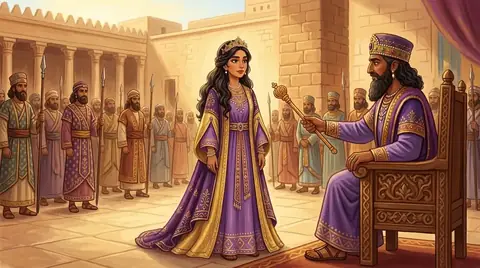 PersonEstherA Jewish orphan who became queen of Persia and risked her life to stop Haman's plan to kill every Jew in the empire.…
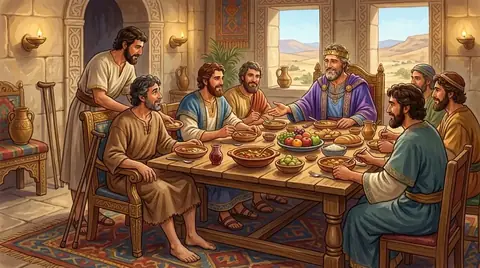 PersonMephiboshethJonathan's son, lame in both feet since a childhood fall, whom David sought out for his father's sake, gave back his…
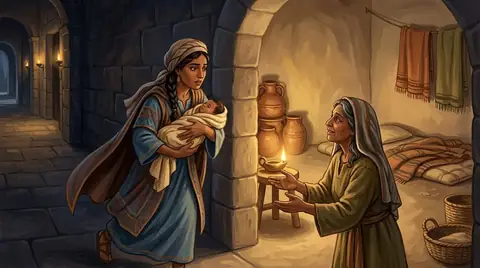 PersonJoashThe baby prince hidden in the temple for six years and crowned at seven. He repaired the temple while the priest…
 PersonMordecaiThe Jew who raised his cousin Esther, refused to bow to Haman, and with Esther saved the Jews of Persia from being…
Written for this app in its own words, from the Bible, with the facts checked against Bible dictionaries and encyclopedias: Easton's, Smith's, Fausset's, ISBE, Holman, the New Bible Dictionary, Vine's and the Thompson Chain topics.
