
Book
Nahum (book)
Old Testament · Prophets, a minor prophet · written by Nahum, about 663–612 BC
A prophecy announcing the fall of Nineveh, the proud and cruel capital of Assyria, which God had spared in Jonah's day but which had returned to its violence. It fell in 612 BC.
- Author
- Nahum the Elkoshite
- Written
- About 663–612 BC
- Chapters
- 3
- Key verse
- "The LORD is good, a strong hold in the day of trouble" (Nahum 1:7)
What it's about
About a hundred years after Jonah preached and Nineveh repented, the city was again full of cruelty. Assyria had destroyed the northern kingdom of Israel and pressed hard on Judah. Nahum, whose name means "comfort", brought Judah the news that the oppressor would fall.
The first chapter is a hymn to God's power and justice: "The LORD is slow to anger, and great in power, and will not at all acquit the wicked" (Nahum 1:3). The second and third chapters describe the attack on Nineveh in vivid poetry: chariots flashing in the streets, gates opened by the river, treasure carried off. The city that had made so many nations suffer would have no one to mourn it (Nahum 3:19). Nineveh fell to the Babylonians and Medes in 612 BC.
Its message
God is patient, but not for ever. No empire is too strong for him to bring down, and he is a refuge for those who trust him. For God's people under oppression, the fall of the oppressor is good news.
Points to Christ
Nahum cried, "Behold upon the mountains the feet of him that bringeth good tidings, that publisheth peace!" (Nahum 1:15). Paul uses the same picture for those who preach the gospel of Christ (Romans 10:15).
Key verses
- Nahum 1:3
The Lord is slow to anger, and great in power, and will not at all acquit the wicked: the Lord hath his way in the whirlwind and in the storm, and the clouds are the dust of his feet.
- Nahum 1:7
The Lord is good, a strong hold in the day of trouble; and he knoweth them that trust in him.
- Nahum 1:15
Behold upon the mountains the feet of him that bringeth good tidings, that publisheth peace! O Judah, keep thy solemn feasts, perform thy vows: for the wicked shall no more pass through thee; he is utterly cut off.
- Nahum 3:19
There is no healing of thy bruise; thy wound is grievous: all that hear the bruit of thee shall clap the hands over thee: for upon whom hath not thy wickedness passed continually?
On the map
Read next
 PersonJonahThe prophet who ran from God's call to preach at Nineveh, was swallowed by a great fish, and then sulked when the city…
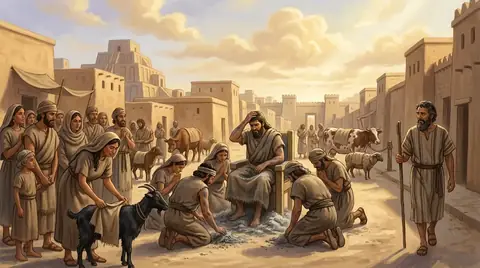 Place · CityNinevehThe last and greatest capital of Assyria, on the Tigris. Jonah preached there and the whole city repented; a century…
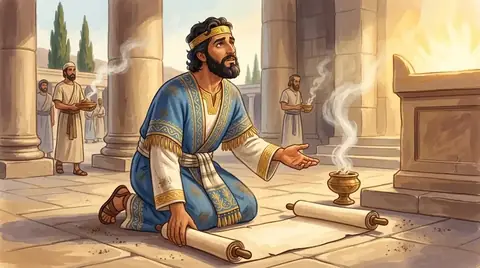 Place · EmpireAssyriaThe land and empire on the upper Tigris whose capital was Nineveh. Assyria crushed the northern kingdom of Israel in…
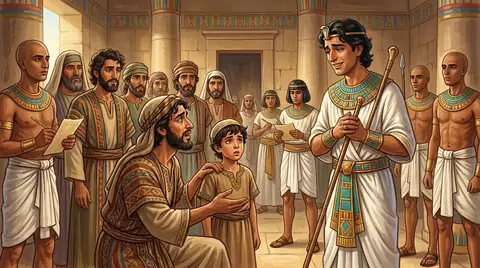 PersonJudahJacob's fourth son, who became leader among his brothers and the father of Israel's royal tribe. David, the kings of…
Written for this app in its own words, from the Bible, with the facts checked against Bible dictionaries and encyclopedias: Easton's, Smith's, Fausset's, ISBE, Holman, the New Bible Dictionary, Vine's and the Thompson Chain topics.
