
Custom · Daily life
Mourning and burial
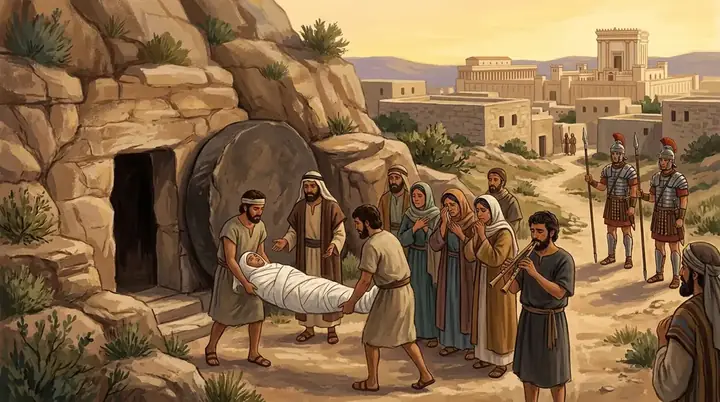
The dead were buried the same day, wrapped in linen and spices, in a family cave or a rock-cut tomb closed with a stone. Families wept loudly, often with hired mourners, for seven days or more.
- Burial
- Quickly, usually within the day; no cremation; in a cave or a tomb cut in rock
- Mourning
- Tearing the clothes, sackcloth, ashes or dust on the head, fasting, loud wailing
- How long
- Seven days for most; thirty for Aaron and Moses (Numbers 20:29; Deuteronomy 34:8)
Burial
In the hot climate a body was buried at once, often the same day (Acts 5:6–10). It was washed, wrapped in strips of linen with sweet spices folded in, and the face covered with a cloth (John 11:44; John 19:39–40). The rich had tombs cut into rock with ledges for the bodies, closed by a great stone rolled across the door; families were buried together, "gathered unto his people" (Genesis 49:29–33). Abraham bought the cave of Machpelah as the first family tomb (Genesis 23), and Joseph of Arimathea laid Jesus in his own new tomb (Matthew 27:59–60). The poor were buried in the ground. To be left unburied was the worst of shames (Jeremiah 22:19).
Mourning
Grief was shown openly. People tore their clothes, put on rough sackcloth, sat in ashes, went barefoot and bareheaded, fasted and wailed (2 Samuel 1:11–12; 2 Samuel 3:31). Neighbours came, and families hired flute players and women skilled in lament to lead the weeping (Jeremiah 9:17–18; Matthew 9:23). Jacob mourned Joseph for many days; Joseph mourned his father seventy days in the Egyptian way (Genesis 37:34; Genesis 50:3). Priests were limited in their mourning, and the high priest could mourn no one at all (Leviticus 21:1–11).
In the Gospels
These customs frame the story of Jesus. He stopped a funeral at Nain and gave a widow back her son (Luke 7:11–15). At Lazarus' tomb, four days after the burial, he wept and then called him out (John 11:17–44). He himself was buried in haste before the Sabbath, and the women came at dawn on the first day with spices to finish the task, and found the stone rolled away (Luke 23:53–24:3). Because he rose, Paul says, Christians grieve, but "not as others which have no hope" (1 Thessalonians 4:13).
Key verses
- Genesis 23:19
And after this, Abraham buried Sarah his wife in the cave of the field of Machpelah before Mamre: the same is Hebron in the land of Canaan.
- Genesis 50:10
And they came to the threshingfloor of Atad, which is beyond Jordan, and there they mourned with a great and very sore lamentation: and he made a mourning for his father seven days.
- Jeremiah 9:17
Thus saith the Lord of hosts, Consider ye, and call for the mourning women, that they may come; and send for cunning women, that they may come:
- John 11:38–44
Jesus therefore again groaning in himself cometh to the grave. It was a cave, and a stone lay upon it. Jesus said, Take ye away the stone. Martha, the sister of him that was dead, saith unto him, Lord, by this time he stinketh: for he hath been dead four days. Jesus saith unto her, Said I not unto thee, that, if thou wouldest believe, thou shouldest see the glory of God? …
- John 19:39–40
And there came also Nicodemus, which at the first came to Jesus by night, and brought a mixture of myrrh and aloes, about an hundred pound weight. Then took they the body of Jesus, and wound it in linen clothes with the spices, as the manner of the Jews is to bury.
- 1 Thessalonians 4:13
But I would not have you to be ignorant, brethren, concerning them which are asleep, that ye sorrow not, even as others which have no hope.
Read next
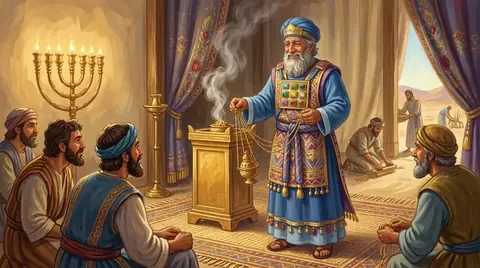 PersonAaronMoses' older brother and Israel's first high priest. He spoke for Moses before Pharaoh and served God at the tabernacle…
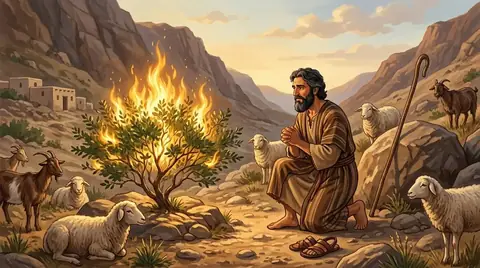 PersonMosesThe man God used to bring Israel out of Egypt, give them his Law at Sinai, and lead them for forty years in the…
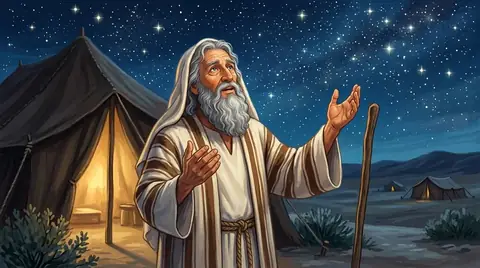 PersonAbrahamThe man God called out of Ur to a land he had never seen, promising him a people and a blessing for the whole world. He…
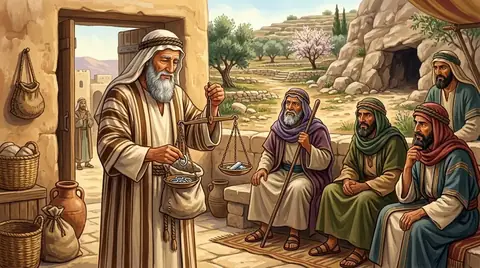 PlaceMachpelahThe cave near Hebron that Abraham bought as a grave for Sarah. Abraham, Isaac, Rebekah, Jacob and Leah were all buried…Place · TownArimatheaThe home town of Joseph, the rich member of the Jewish council who asked Pilate for Jesus' body and laid it in his own…
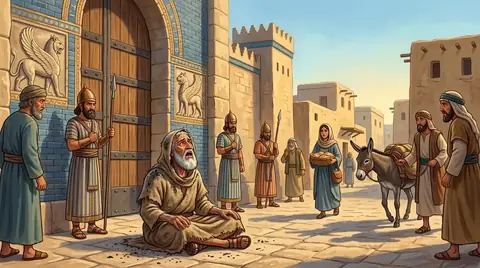 Thing · ClothingSackclothA coarse, dark cloth woven from goats' hair, used for sacks and worn next to the skin by people in mourning or in…
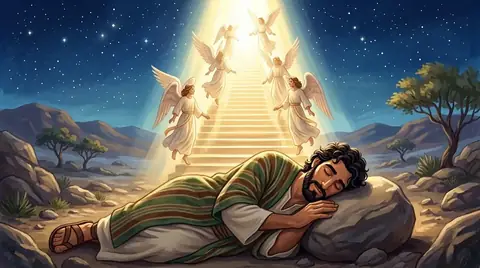 PersonJacobIsaac's younger twin son, who won his brother's birthright and blessing by cunning, was changed by God, and was renamed…
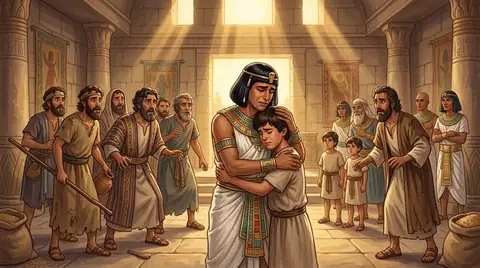 PersonJosephJacob's favourite son, sold by his brothers into Egypt, where he rose from prison to rule the land and saved his family…
Written for this app in its own words, from the Bible, with the facts checked against Bible dictionaries and encyclopedias: Easton's, Smith's, Fausset's, ISBE, Holman, the New Bible Dictionary, Vine's and the Thompson Chain topics.
