
Stars
Mazzaroth
MAZ-a-rothprobably the signs of the zodiac
A word found only in Job 38:32, most likely the constellations of the zodiac that appear in turn through the year. God asks Job whether he can bring them out in their season.
- Found in
- Job 38:32 only
- Likely meaning
- The twelve star groups along the sun's yearly path
What it is
When God answers Job out of the whirlwind, he asks whether Job can bind the Pleiades, loose Orion, guide the Bear with her cubs, or "bring forth Mazzaroth in his season" (Job 38:31–32). The translators left the Hebrew word as it stood because its meaning isn't certain. The usual view is that it names the constellations of the zodiac, which rise one after another as the year goes round, so that "in his season" fits well. A related word in 2 Kings 23:5 describes the "planets" or star signs that Josiah stopped the priests burning incense to.
What it means
The point of God's question is not astronomy but humility. The stars keep their appointed course year after year, and no man set them going or can change them. If Job cannot govern the sky, he cannot sit in judgment on the One who does. The stars were made for signs and seasons (Genesis 1:14), to be admired and used, never worshipped (Deuteronomy 4:19).
Key verses
- Job 38:31–32
Canst thou bind the sweet influences of Pleiades, or loose the bands of Orion? Canst thou bring forth Mazzaroth in his season? or canst thou guide Arcturus with his sons?
- Genesis 1:14
And God said, Let there be lights in the firmament of the heaven to divide the day from the night; and let them be for signs, and for seasons, and for days, and years:
- 2 Kings 23:5
And he put down the idolatrous priests, whom the kings of Judah had ordained to burn incense in the high places in the cities of Judah, and in the places round about Jerusalem; them also that burned incense unto Baal, to the sun, and to the moon, and to the planets, and to all the host of heaven.
Read next
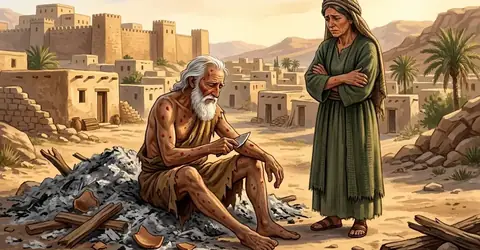 PersonJobA rich and godly man who lost his children, his wealth and his health in a single stroke, and would not curse God. His…
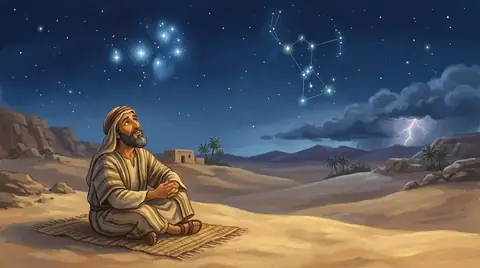 Nature · StarsPleiadesA tight cluster of stars in the constellation Taurus, visible on winter nights. Job and Amos name it as proof that God…Thing · StarsOrionA bright constellation of the winter sky, named three times in the Bible as something God made and governs. Its "bands"…
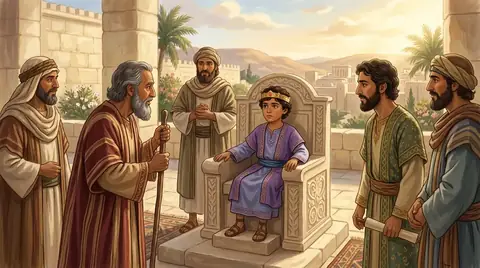 PersonJosiahThe boy king of Judah who turned the nation back to God. When the lost Book of the Law was found in the temple, he tore…
Written for this app in its own words, from the Bible, with the facts checked against Bible dictionaries and encyclopedias: Easton's, Smith's, Fausset's, ISBE, Holman, the New Bible Dictionary, Vine's and the Thompson Chain topics.
