
Title of Jesus
Master (Rabbi)
RAB-eye
"Master" in the Gospels usually means teacher, the Hebrew Rabbi. It is what the disciples and crowds called Jesus, and he accepted it: he is the one Teacher of all believers.
- Hebrew
- Rabbi, "my great one", a teacher of God's law
- Greek
- didaskalos, "teacher"; also epistates, "chief", in Luke
- Jesus said
- "Ye call me Master and Lord: and ye say well; for so I am" (John 13:13)
What it means
In Jesus' day a man who taught the Scriptures was called Rabbi, roughly "my master". His pupils, the disciples, lived with him, learned his teaching by heart and copied his way of life. When the Gospels say "Master" they are nearly always translating this word, or the Greek word for teacher.
Jesus the Master
People called Jesus Master from the first. Andrew and his friend asked, "Rabbi, where dwellest thou?" (John 1:38). Nicodemus came by night and said, "Rabbi, we know that thou art a teacher come from God" (John 3:2). The disciples called him Master in the storm (Mark 4:38), scribes and Pharisees used it when they questioned him (Matthew 22:16, 36), and the rich young ruler said "Good Master" (Mark 10:17). Even Judas said "Hail, master" as he betrayed him (Matthew 26:49). When Mary Magdalene recognised the risen Jesus she cried "Rabboni", which John explains means Master (John 20:16).
Jesus took the title gladly. After washing the disciples' feet he said they were right to call him Master and Lord, and that if their Master served them, they must serve each other (John 13:13–14).
One Master
Jesus warned his followers not to love the title for themselves. The scribes enjoyed being greeted as Rabbi in the market. "But be not ye called Rabbi: for one is your Master, even Christ; and all ye are brethren" (Matthew 23:8). In the church there are many who teach, but only one Teacher whose word is final.
For us
A disciple is a learner. To call Jesus Master is to sit at his feet, as Mary of Bethany did (Luke 10:39), take his words in, and do them. "Why call ye me, Lord, Lord, and do not the things which I say?" (Luke 6:46).
Key verses
- John 1:38
Then Jesus turned, and saw them following, and saith unto them, What seek ye? They said unto him, Rabbi, (which is to say, being interpreted, Master,) where dwellest thou?
- John 3:2
The same came to Jesus by night, and said unto him, Rabbi, we know that thou art a teacher come from God: for no man can do these miracles that thou doest, except God be with him.
- Matthew 23:8
But be not ye called Rabbi: for one is your Master, even Christ; and all ye are brethren.
- John 13:13–14
Ye call me Master and Lord: and ye say well; for so I am. If I then, your Lord and Master, have washed your feet; ye also ought to wash one another’s feet.
- John 20:16
Jesus saith unto her, Mary. She turned herself, and saith unto him, Rabboni; which is to say, Master.
Read next
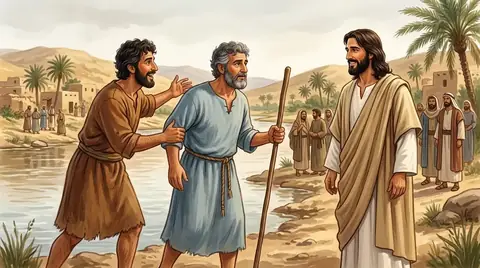 PersonAndrewA fisherman from Bethsaida, brother of Simon Peter, and one of the twelve apostles. He was among the first to follow…
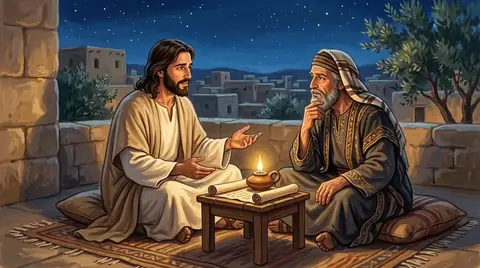 PersonNicodemusThe Pharisee who came to Jesus by night and was told he must be born again. He later spoke up for Jesus in the council…
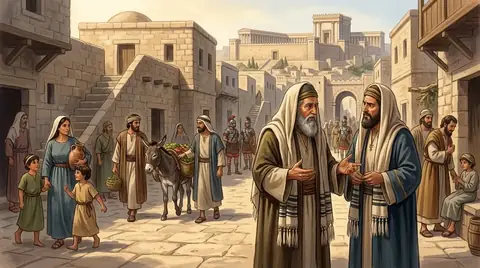 GroupPhariseesThe most exacting of the Jewish religious parties in Jesus' day, devoted to keeping the Law and the traditions added to…
 PersonJudasThe disciple who sold Jesus to the priests for thirty pieces of silver and pointed him out with a kiss. Full of…
 PersonMary MagdaleneA woman from Magdala freed by Jesus from seven demons, who followed and supported him, stood by his cross, and was the…
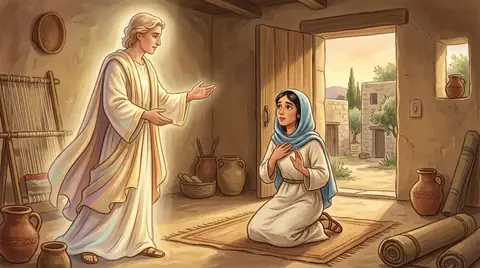 PersonMaryThe young woman of Nazareth chosen to be the mother of Jesus. She believed the angel's word, bore God's Son, and stood…
Written for this app in its own words, from the Bible, with the facts checked against Bible dictionaries and encyclopedias: Easton's, Smith's, Fausset's, ISBE, Holman, the New Bible Dictionary, Vine's and the Thompson Chain topics.
