
Measure · Weight
Maneh
MAH-nehAlso "pound" in the KJV · about 1¼ lb (570 g); 50 or 60 shekels
A Hebrew weight, usually translated "pound" in the Old Testament, equal to fifty or sixty shekels, about 1¼ lb (570 g). Solomon's golden shields and the gifts for the second temple were weighed in it.
- Size
- 50 shekels (1 Kings 10:17 with 2 Chronicles 9:16), or 60 by Ezekiel's reckoning (Ezekiel 45:12); roughly 1¼ lb (570 g)
- Where
- 1 Kings 10:17; 2 Chronicles 9:16; Ezra 2:69; Ezekiel 45:12
What it was
The maneh (the Greeks called it the mina) was a weight for silver and gold, between the shekel and the talent. Fifty shekels made a maneh, as the record of Solomon's shields shows: three manehs of gold in Kings is three hundred shekels in Chronicles (1 Kings 10:17; 2 Chronicles 9:16). Sixty manehs made a talent. Ezekiel lays down a maneh of sixty shekels for the restored temple (Ezekiel 45:12), perhaps a larger standard, and the exact weight of each isn't certain; the common reckoning makes a maneh about 1¼ pounds (570 g).
In the Bible
Solomon made three hundred shields of beaten gold, three manehs of gold in each, for the House of the Forest of Lebanon (1 Kings 10:17). When the exiles returned from Babylon, the heads of families gave five thousand "pounds" of silver toward rebuilding the temple (Ezra 2:69; also Nehemiah 7:71–72). The word is translated "pound" in those places, though it was lighter than our pound. The "pound" of the New Testament, in the parable of the ten servants (Luke 19:13), is the Greek mina, a sum of money rather than a weight.
Key verses
- 1 Kings 10:17
And he made three hundred shields of beaten gold; three pound of gold went to one shield: and the king put them in the house of the forest of Lebanon.
- Ezra 2:69
They gave after their ability unto the treasure of the work threescore and one thousand drams of gold, and five thousand pound of silver, and one hundred priests’ garments.
- Ezekiel 45:12
And the shekel shall be twenty gerahs: twenty shekels, five and twenty shekels, fifteen shekels, shall be your maneh.
Read next
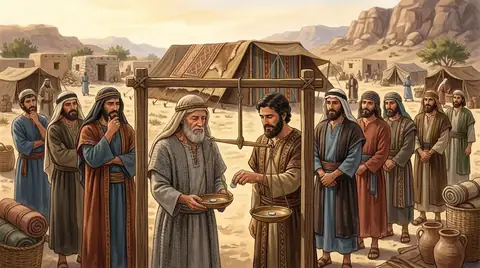 Measure · MoneyShekelThe basic weight of the Old Testament, about 11 grams (0.4 oz); then a lump of silver of that weight used as money long…
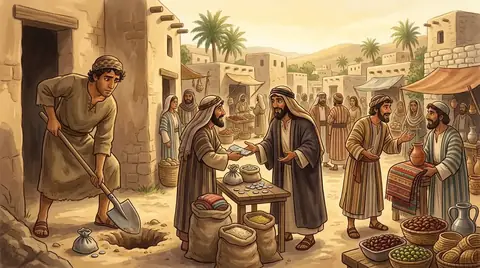 Measure · WeightTalentThe heaviest weight in the Bible, about 75 pounds (34 kg), and so also the largest sum of money. A talent of silver was…
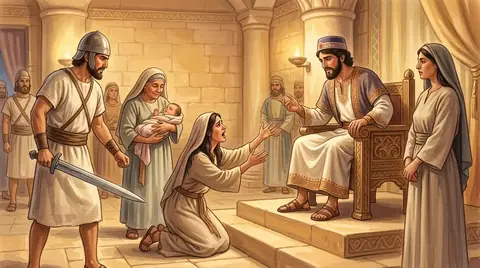 Person · KingSolomonDavid's son and Israel's third king, who asked God for wisdom and received riches and fame as well. He built the temple…
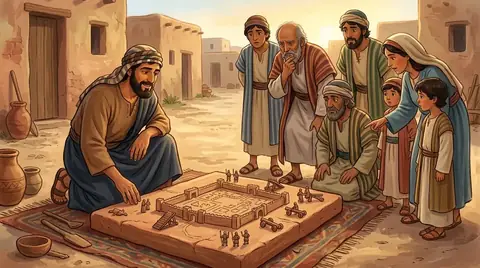 PersonEzekielA priest and prophet taken to Babylon with the exiles from Judah. By the river Chebar he saw visions of God's glory and…
Written for this app in its own words, from the Bible, with the facts checked against Bible dictionaries and encyclopedias: Easton's, Smith's, Fausset's, ISBE, Holman, the New Bible Dictionary, Vine's and the Thompson Chain topics.
