
Measure · Money
Shekel
SHEK-elalso the stater, a coin worth a shekel
The basic weight of the Old Testament, about 11 grams (0.4 oz); then a lump of silver of that weight used as money long before coins. Later a silver coin of the same name.
- Weight
- About 11.4 g (0.4 oz); twenty gerahs
- Bigger units
- Fifty shekels to a mina, three thousand to a talent
- The temple tax
- Half a shekel a year from every man (Exodus 30:13)
What it was
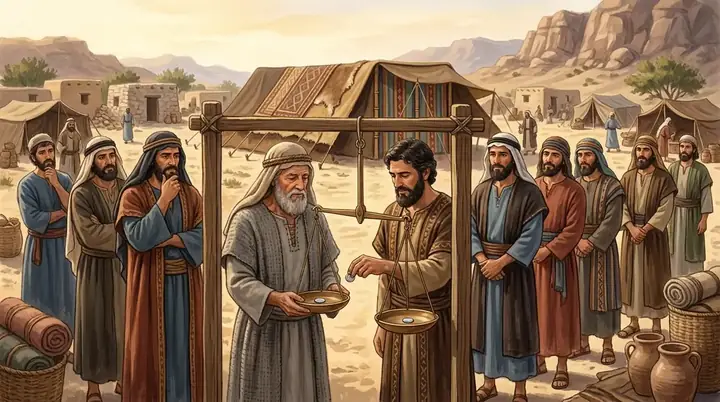
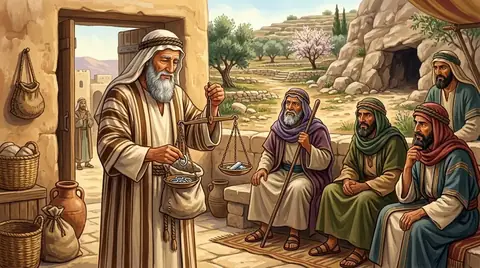
The word means "weight". Before coins existed, silver and gold were weighed out on scales, and the shekel was the standard: about 11 grams, the weight of two modern coins. A buyer "weighed" out his silver rather than counting it (Genesis 23:16; Jeremiah 32:9). Weights were small stones kept in a bag, and the Law demanded honest ones; the prophets condemned traders who made "the shekel great" (Amos 8:5). "The shekel of the sanctuary" was the official weight in the priests' keeping (Exodus 30:13); there was also a "king's weight" (2 Samuel 14:26).
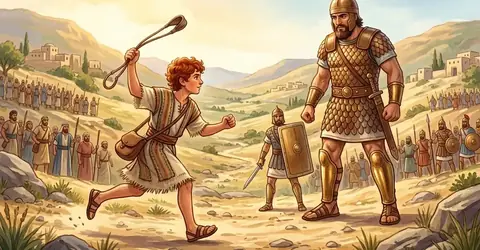
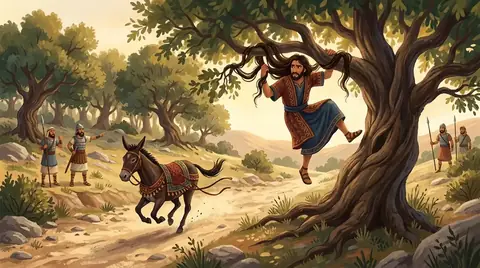
Anything could be weighed in shekels: gold for jewellery (Genesis 24:22), Goliath's coat of mail at five thousand shekels of bronze (1 Samuel 17:5), the two hundred shekels of Absalom's hair (2 Samuel 14:26), spices for the holy oil (Exodus 30:23–24).
As money
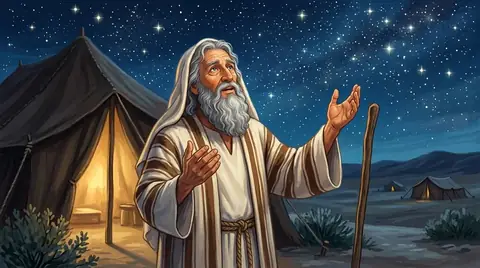
Abraham weighed out four hundred shekels to buy the cave of Machpelah, about 10 lb (4.6 kg) of silver (Genesis 23:15–16). Joseph was sold for twenty (Genesis 37:28), the price of a boy; a grown slave was valued at thirty (Exodus 21:32), the sum paid to Judas. Every Israelite man paid half a shekel a year for the upkeep of the sanctuary (Exodus 30:13–16), a tax still collected in Jesus' day; the coin Peter found in the fish's mouth was a stater, worth a whole shekel, and paid for two (Matthew 17:24–27). Coins first reached Judah under the Persians, and the Jews struck silver shekels of their own in their revolt against Rome.
Key verses
- Genesis 23:15–16
My lord, hearken unto me: the land is worth four hundred shekels of silver; what is that betwixt me and thee? bury therefore thy dead. And Abraham hearkened unto Ephron; and Abraham weighed to Ephron the silver, which he had named in the audience of the sons of Heth, four hundred shekels of silver, current money with the merchant.
- Exodus 30:13
This they shall give, every one that passeth among them that are numbered, half a shekel after the shekel of the sanctuary: (a shekel is twenty gerahs:) an half shekel shall be the offering of the Lord.
- 2 Samuel 14:26
And when he polled his head, (for it was at every year’s end that he polled it: because the hair was heavy on him, therefore he polled it:) he weighed the hair of his head at two hundred shekels after the king’s weight.
- Amos 8:5
Saying, When will the new moon be gone, that we may sell corn? and the sabbath, that we may set forth wheat, making the ephah small, and the shekel great, and falsifying the balances by deceit?
- Matthew 17:27
Notwithstanding, lest we should offend them, go thou to the sea, and cast an hook, and take up the fish that first cometh up; and when thou hast opened his mouth, thou shalt find a piece of money: that take, and give unto them for me and thee.
Read next
 PersonGoliathThe giant champion of the Philistines from Gath, over nine feet tall, who taunted Israel's army for forty days until…
 PersonAbsalomDavid's handsome third son, who murdered his brother Amnon, won the hearts of Israel and rose in rebellion against his…
 PersonAbrahamThe man God called out of Ur to a land he had never seen, promising him a people and a blessing for the whole world. He…
 PlaceMachpelahThe cave near Hebron that Abraham bought as a grave for Sarah. Abraham, Isaac, Rebekah, Jacob and Leah were all buried…
Written for this app in its own words, from the Bible, with the facts checked against Bible dictionaries and encyclopedias: Easton's, Smith's, Fausset's, ISBE, Holman, the New Bible Dictionary, Vine's and the Thompson Chain topics.
