
Teaching · Title of Christ
The Man of Sorrows
"A man of sorrows, and acquainted with grief" (Isa 53:3)
Isaiah's name for the suffering Servant, despised and rejected by men, who carried our griefs. Christians have always read it of Jesus, who wept, suffered betrayal and died for us.
The prophecy
Seven hundred years before Christ, Isaiah described a Servant of the LORD unlike any king. He had no beauty that people should desire him; he was "despised and rejected of men; a man of sorrows, and acquainted with grief", and people hid their faces from him (Isaiah 53:2–3). Then comes the reason: "Surely he hath borne our griefs, and carried our sorrows… he was wounded for our transgressions, he was bruised for our iniquities" (Isaiah 53:4–5). The sorrows were ours, carried by him.
In Jesus
The Gospels show the prophecy lived out. Jesus was rejected in his home town, called a glutton and a friend of sinners, and plotted against by the religious leaders. He wept over Jerusalem and at the grave of Lazarus (Luke 19:41; John 11:35). In Gethsemane he said, "My soul is exceeding sorrowful, even unto death" (Matthew 26:38). He was betrayed by a friend, deserted by the rest, mocked, flogged and crucified between thieves, and on the cross he cried, "My God, my God, why hast thou forsaken me?" (Matthew 27:46). Philip explained this very chapter of Isaiah to the Ethiopian and preached Jesus from it (Acts 8:32–35).
For us
The Man of Sorrows is the proof that God understands pain from the inside. "In all their affliction he was afflicted" (Isaiah 63:9). Hebrews says we have a high priest who can feel for our weaknesses (Hebrews 4:15), and that for the joy set before him he endured the cross (Hebrews 12:2). The sorrow was real, and it was not the end: the same chapter promises that he "shall see of the travail of his soul, and shall be satisfied" (Isaiah 53:11).
Key verses
- Isaiah 53:3–5
He is despised and rejected of men; a man of sorrows, and acquainted with grief: and we hid as it were our faces from him; he was despised, and we esteemed him not. Surely he hath borne our griefs, and carried our sorrows: yet we did esteem him stricken, smitten of God, and afflicted. But he was wounded for our transgressions, he was bruised for our iniquities: the chastisement of our peace was upon him; and with his stripes we are healed.
- Matthew 26:38
Then saith he unto them, My soul is exceeding sorrowful, even unto death: tarry ye here, and watch with me.
- Luke 19:41
And when he was come near, he beheld the city, and wept over it,
- Hebrews 4:15
For we have not an high priest which cannot be touched with the feeling of our infirmities; but was in all points tempted like as we are, yet without sin.
Read next
 Person · ProphetIsaiahThe prophet of Jerusalem who served four kings, saw the LORD on his throne, and foretold the virgin's son, the…
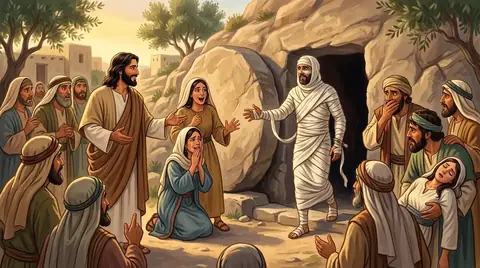 PersonLazarusThe brother of Mary and Martha whom Jesus called out of the tomb after four days. A poor beggar of the same name…
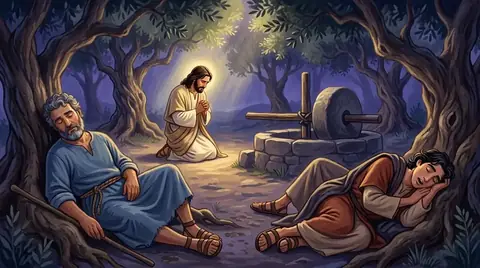 PlaceGethsemaneAn olive garden on the Mount of Olives, across the Kidron valley from Jerusalem. Jesus often went there to pray, and…
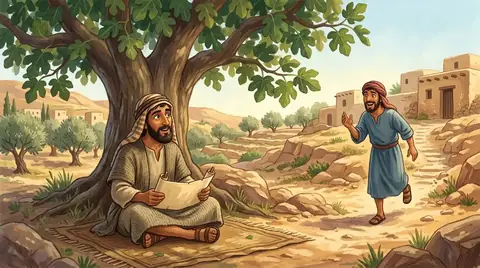 PersonPhilipOne of the twelve apostles, from Bethsaida, who brought Nathanael to Jesus. Another Philip, one of the seven, preached…
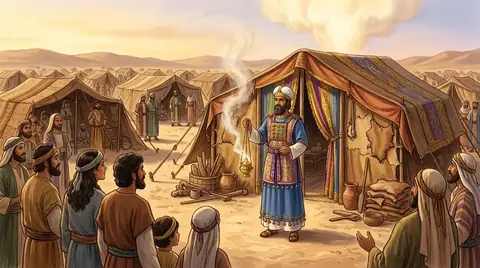 Custom · WorshipThe high priestThe head of Israel's priests, descended from Aaron, who alone went into the Most Holy Place once a year to make…
Written for this app in its own words, from the Bible, with the facts checked against Bible dictionaries and encyclopedias: Easton's, Smith's, Fausset's, ISBE, Holman, the New Bible Dictionary, Vine's and the Thompson Chain topics.
