
Name of God
The LORD of hosts
sa-ba-OATHHebrew Yahweh Sabaoth · "LORD Almighty" or "LORD of Armies" in some versions
A name of God used nearly three hundred times, mostly by the prophets. The "hosts" are armies: Israel's, the stars, and most of all the angels. He commands them all, and no power can stand against him.
- Hebrew
- Yahweh Sabaoth, "the LORD of armies"
- Where
- 1 Samuel 1:3; 1 Samuel 17:45; Psalms 24:10; Psalms 46:7; Isaiah 6:3; Malachi 3:1; James 5:4
- In English
- LORD of hosts (KJV); LORD Almighty (NIV); LORD of Armies
What it means
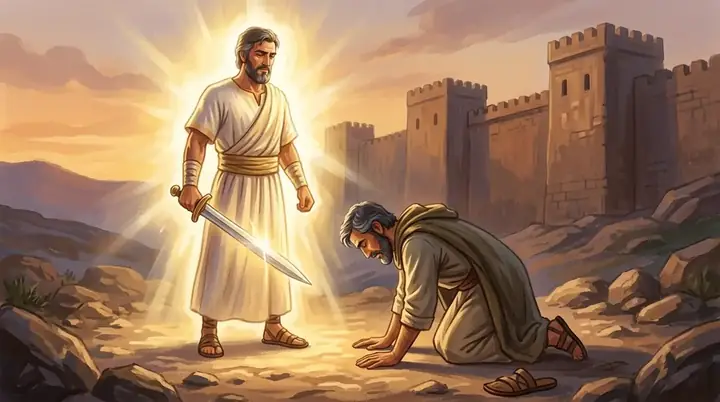
A "host" is an army, and the hosts of the LORD are every force at his command. Israel's fighting men were "the hosts of the LORD" when they left Egypt (Exodus 12:41). The sun, moon and stars are the host of heaven that he calls out by name (Isaiah 40:26). And the angels are the armies that fight for him; Joshua met their captain with a drawn sword outside Jericho (Joshua 5:14), and Elisha's servant saw the hills full of horses and chariots of fire (2 Kings 6:17). The name says that the God of Israel is the commander of all of them.
In the Bible
The title first appears at Shiloh, where Elkanah went up each year to worship "the LORD of hosts" and Hannah prayed to him for a son (1 Samuel 1:3–11). David ran at Goliath with no armour, saying, "I come to thee in the name of the LORD of hosts, the God of the armies of Israel" (1 Samuel 17:45). The psalms sing that "the LORD of hosts is with us; the God of Jacob is our refuge" (Psalms 46:7) and ask who the King of glory is: "the LORD of hosts, he is the King of glory" (Psalms 24:10).
The prophets loved the name. Isaiah heard the seraphim cry "Holy, holy, holy, is the LORD of hosts" (Isaiah 6:3). Jeremiah, Haggai, Zechariah and Malachi use it again and again when they speak for God, and it is the LORD of hosts who promises to send his messenger before the day of his coming (Malachi 3:1). In the New Testament James warns rich employers that the cries of the workers they cheated have reached "the ears of the Lord of sabaoth" (James 5:4), and Paul quotes Isaiah's "Lord of Sabaoth" (Romans 9:29).
For us
When the forces against God's people look huge, this name is the answer. The armies that matter are his, and he is on our side. "If God be for us, who can be against us?" (Romans 8:31).
Key verses
- 1 Samuel 17:45
Then said David to the Philistine, Thou comest to me with a sword, and with a spear, and with a shield: but I come to thee in the name of the Lord of hosts, the God of the armies of Israel, whom thou hast defied.
- Psalms 46:7
The Lord of hosts is with us; the God of Jacob is our refuge. Selah.
- Isaiah 6:3
And one cried unto another, and said, Holy, holy, holy, is the Lord of hosts: the whole earth is full of his glory.
- Malachi 3:1
Behold, I will send my messenger, and he shall prepare the way before me: and the Lord, whom ye seek, shall suddenly come to his temple, even the messenger of the covenant, whom ye delight in: behold, he shall come, saith the Lord of hosts.
- James 5:4
Behold, the hire of the labourers who have reaped down your fields, which is of you kept back by fraud, crieth: and the cries of them which have reaped are entered into the ears of the Lord of sabaoth.
Read next
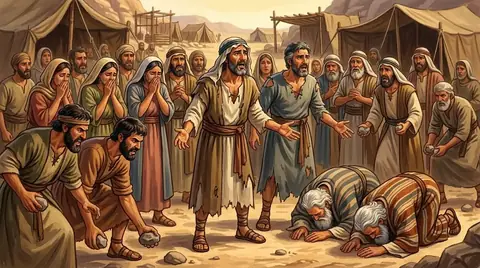 PersonJoshuaMoses' helper who took over from him and led Israel across the Jordan into the Promised Land. He fought the wars of…
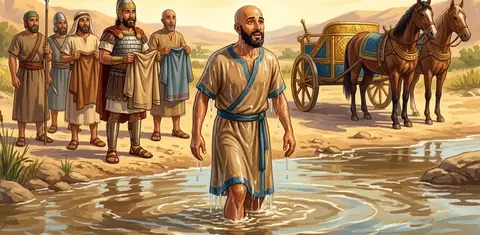 PersonElishaElijah's successor, a farmer's son who asked for a double share of his master's spirit and received it. His long…
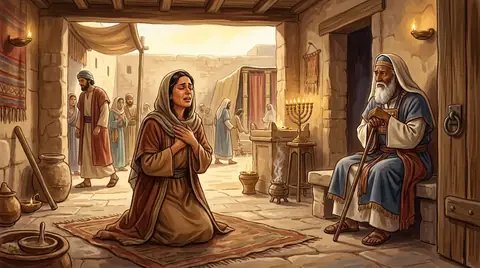 Place · TownShilohThe town in the hills of Ephraim where the tabernacle stood for over three hundred years, from Joshua to Samuel. Hannah…
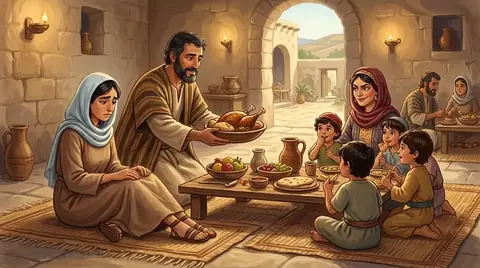 PersonElkanahThe father of the prophet Samuel, a Levite living in the hills of Ephraim who went up to Shiloh every year to worship…PersonHannahThe childless wife of Elkanah who prayed for a son at Shiloh, promised him to God, and became the mother of the prophet…
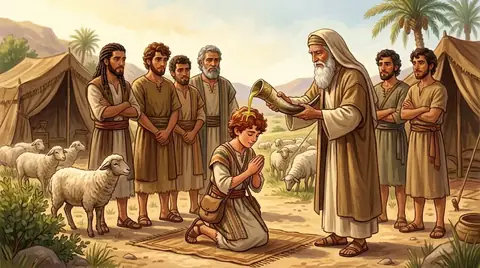 Person · KingDavidThe shepherd boy who killed Goliath and became Israel's greatest king, "a man after God's own heart". He wrote many…
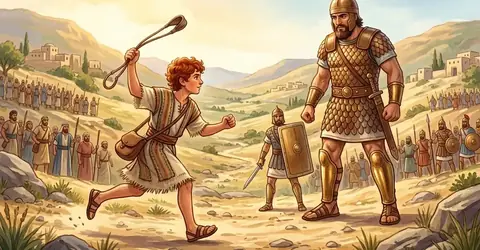 PersonGoliathThe giant champion of the Philistines from Gath, over nine feet tall, who taunted Israel's army for forty days until…
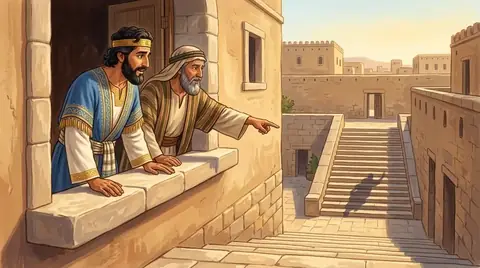 Person · ProphetIsaiahThe prophet of Jerusalem who served four kings, saw the LORD on his throne, and foretold the virgin's son, the…
Written for this app in its own words, from the Bible, with the facts checked against Bible dictionaries and encyclopedias: Easton's, Smith's, Fausset's, ISBE, Holman, the New Bible Dictionary, Vine's and the Thompson Chain topics.
