
Teaching
Intercession
Speaking up for someone else: pleading with a person in authority, or praying to God on another's behalf. Abraham, Moses, Samuel and Paul were great intercessors, and believers are told to pray for all people.
- See also
- Prayer, Intercession of Christ, Intercession of the Spirit
With people
Reuben and Judah each spoke up to spare Joseph (Genesis 37:21–27). Jonathan pleaded with Saul for David (1 Samuel 19:4–6). Abigail fell at David's feet for her foolish husband (1 Samuel 25:23–35). Ebed-melech went to the king to save Jeremiah from the pit (Jeremiah 38:7–13). Paul wrote to Philemon for the runaway Onesimus: "receive him, as myself" (Philemon 1:10–17).
With God
Abraham pleaded for Sodom (Genesis 18:23–32). Moses stood between God and Israel after the golden calf, asking to be blotted out himself rather than the people (Exodus 32:31–32), and prayed for Miriam when she was struck with leprosy (Numbers 12:13). Samuel said, "God forbid that I should sin against the LORD in ceasing to pray for you" (1 Samuel 12:23). Job prayed for his friends and God turned his captivity (Job 42:10). Daniel confessed his people's sins and pleaded for Jerusalem (Daniel 9:3–19).
For us
Jesus told us to pray for those who persecute us (Matthew 5:44). Paul urged "supplications, prayers, intercessions, and giving of thanks... for all men; for kings, and for all that are in authority" (1 Timothy 2:1–2), and prayed constantly for the churches (Ephesians 1:15–19). "The effectual fervent prayer of a righteous man availeth much" (James 5:16).
Key verses
- Genesis 18:23–32
And Abraham drew near, and said, Wilt thou also destroy the righteous with the wicked? Peradventure there be fifty righteous within the city: wilt thou also destroy and not spare the place for the fifty righteous that are therein? That be far from thee to do after this manner, to slay the righteous with the wicked: and that the righteous should be as the wicked, that be far from thee: Shall not the Judge of all the earth do right? …
- Exodus 32:31–32
And Moses returned unto the Lord, and said, Oh, this people have sinned a great sin, and have made them gods of gold. Yet now, if thou wilt forgive their sin—; and if not, blot me, I pray thee, out of thy book which thou hast written.
- 1 Samuel 12:23
Moreover as for me, God forbid that I should sin against the Lord in ceasing to pray for you: but I will teach you the good and the right way:
- 1 Timothy 2:1–2
I exhort therefore, that, first of all, supplications, prayers, intercessions, and giving of thanks, be made for all men; For kings, and for all that are in authority; that we may lead a quiet and peaceable life in all godliness and honesty.
- James 5:16
Confess your faults one to another, and pray one for another, that ye may be healed. The effectual fervent prayer of a righteous man availeth much.
Read next
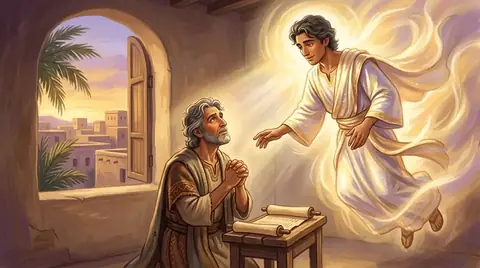 TeachingPrayerTalking with God: asking, thanking, confessing and praising. The Bible is full of prayers, from Abraham to the last…TeachingIntercession of ChristJesus' ongoing work as our High Priest: he prayed for his people on earth, and now in heaven he appears before God for…TeachingIntercession of the SpiritThe Holy Spirit's help in our praying. When we do not know what to pray, the Spirit himself pleads for us with…
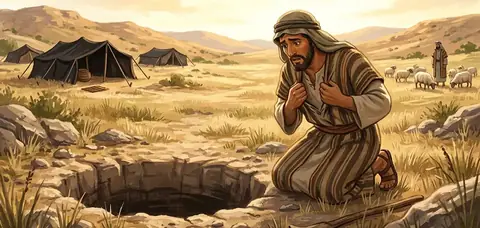 Person · TribeReubenJacob's firstborn, who lost the rights of the eldest by sleeping with his father's concubine. He tried to save Joseph…
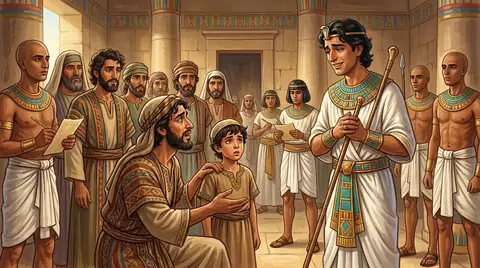 PersonJudahJacob's fourth son, who became leader among his brothers and the father of Israel's royal tribe. David, the kings of…
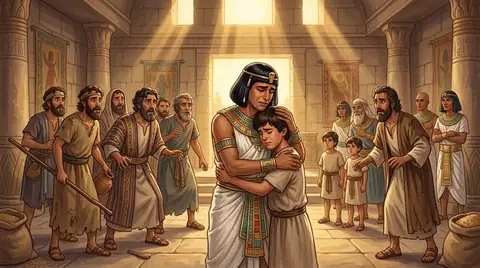 PersonJosephJacob's favourite son, sold by his brothers into Egypt, where he rose from prison to rule the land and saved his family…
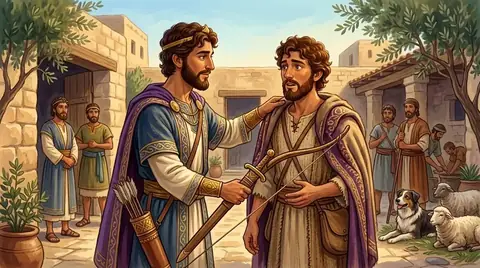 PersonJonathanSaul's eldest son and David's closest friend. A brave soldier who climbed a cliff to rout the Philistines, he gave up…
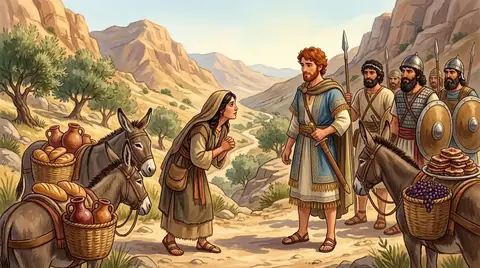 PersonAbigailThe wise and beautiful wife of foolish Nabal. Her quick thinking and humble words stopped David from taking a bloody…
Written for this app in its own words, from the Bible, with the facts checked against Bible dictionaries and encyclopedias: Easton's, Smith's, Fausset's, ISBE, Holman, the New Bible Dictionary, Vine's and the Thompson Chain topics.
