
Teaching
Innocency
Being free of guilt. Adam and Eve were innocent and unashamed until they sinned; washing the hands was a sign of innocence; and Daniel was found innocent before God. Only Christ was wholly innocent, yet he was condemned.
- See also
- Wash the hands, Guilt
Lost innocence
In the garden the man and his wife "were both naked... and were not ashamed" (Genesis 2:25). After they ate, "the eyes of them both were opened, and they knew that they were naked", and they hid from God (Genesis 3:7–10).
The sign of washing
When a murdered man was found in the open country, the elders of the nearest town washed their hands over a heifer and declared, "Our hands have not shed this blood" (Deuteronomy 21:6–7). The psalmist said, "I will wash mine hands in innocency: so will I compass thine altar" (Psalms 26:6). Pilate washed his hands before the crowd, saying, "I am innocent of the blood of this just person" (Matthew 27:24), though he handed Jesus over all the same.
Real and false claims
Daniel told the king that God had shut the lions' mouths, "forasmuch as before him innocency was found in me" (Daniel 6:22). But Judah claimed, "Because I am innocent, surely his anger shall turn from me", while the blood of the poor was on her skirts (Jeremiah 2:34–35). Only Christ was "holy, harmless, undefiled" (Hebrews 7:26), and he died for the guilty.
Key verses
- Genesis 2:25
And they were both naked, the man and his wife, and were not ashamed.
- Deuteronomy 21:6–7
And all the elders of that city, that are next unto the slain man, shall wash their hands over the heifer that is beheaded in the valley: And they shall answer and say, Our hands have not shed this blood, neither have our eyes seen it.
- Psalms 26:6
I will wash mine hands in innocency: so will I compass thine altar, O Lord:
- Daniel 6:22
My God hath sent his angel, and hath shut the lions’ mouths, that they have not hurt me: forasmuch as before him innocency was found in me; and also before thee, O king, have I done no hurt.
- Matthew 27:24
When Pilate saw that he could prevail nothing, but that rather a tumult was made, he took water, and washed his hands before the multitude, saying, I am innocent of the blood of this just person: see ye to it.
Read next
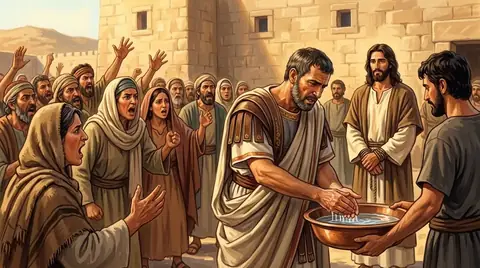 Saying · CustomWash the hands (innocence)Washing the hands in public was a way of saying "I had no part in this". Pilate did it to disown the death of Jesus…
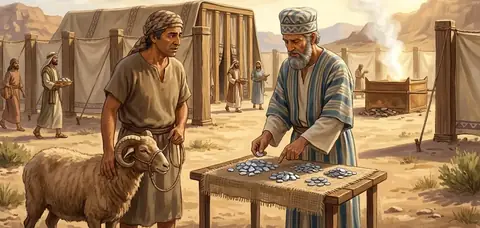 TeachingGuiltBeing in the wrong before God because of sin, and deserving its penalty. The Bible says all are guilty, that conscience…PersonPilateThe Roman governor of Judea who tried Jesus. He said three times that he found no fault in him, yet handed him over to…
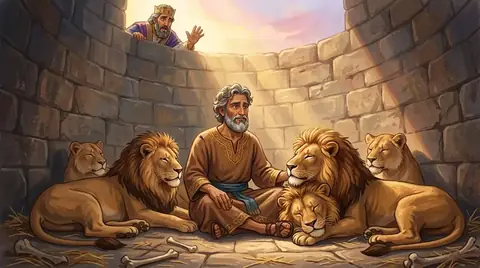 Person · ProphetDanielA young noble of Judah carried off to Babylon, who served four kings with wisdom and never bent his faith. God gave him…
Written for this app in its own words, from the Bible, with the facts checked against Bible dictionaries and encyclopedias: Easton's, Smith's, Fausset's, ISBE, Holman, the New Bible Dictionary, Vine's and the Thompson Chain topics.
