
Saying
Handwriting
Paul's picture for the record of our debt to God's law. Christ blotted out "the handwriting of ordinances that was against us" and nailed it to his cross, so that nothing stands against those who are in him.
- Greek
- Cheirographon, a handwritten note of debt
- See also
- Atonement, Cross
In Bible times a debtor might sign a note in his own hand saying what he owed. Paul says that, because of our sins, there was such a record against us: "the handwriting of ordinances that was against us, which was contrary to us". God has dealt with it. When he made us alive with Christ, having forgiven all our trespasses, he blotted it out, "and took it out of the way, nailing it to his cross" (Colossians 2:13–14).
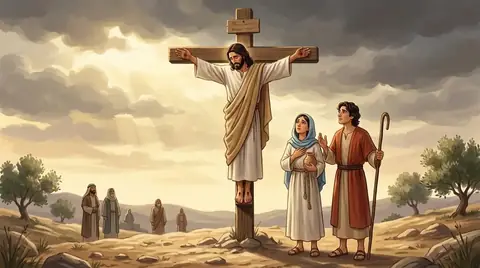
The law's demands were right, but we had broken them, and the bill stood against us. At the cross Christ paid it in full. The writing is wiped clean and the note is cancelled. The same God says in Isaiah, "I, even I, am he that blotteth out thy transgressions for mine own sake" (Isaiah 43:25).
Key verses
- Colossians 2:13–14
And you, being dead in your sins and the uncircumcision of your flesh, hath he quickened together with him, having forgiven you all trespasses; Blotting out the handwriting of ordinances that was against us, which was contrary to us, and took it out of the way, nailing it to his cross;
- Isaiah 43:25
I, even I, am he that blotteth out thy transgressions for mine own sake, and will not remember thy sins.
Read next

Written for this app in its own words, from the Bible, with the facts checked against Bible dictionaries and encyclopedias: Easton's, Smith's, Fausset's, ISBE, Holman, the New Bible Dictionary, Vine's and the Thompson Chain topics.
