
Person · Office
Guard
Soldiers who protected a king, kept prisoners or watched a place
The soldiers who protected a king or kept watch. Potiphar was captain of Pharaoh's guard, Nebuzaradan of Babylon's, and a Roman guard was set at Jesus' tomb.
- Captains of the guard
- Potiphar in Egypt (Genesis 37:36); Nebuzaradan of Babylon (2 Kings 25:8)
- At the tomb
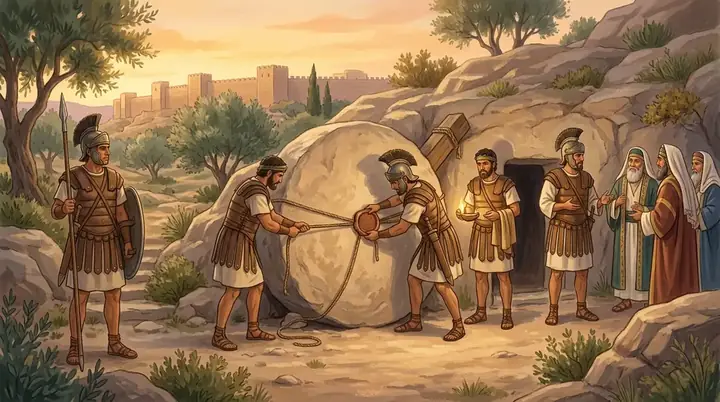
- A Roman watch, sealing the stone (Matthew 27:65–66)
- In Rome
- Paul handed to the captain of the guard (Acts 28:16)
In the Old Testament
Kings kept a bodyguard of trusted soldiers. Joseph was sold to Potiphar, "captain of the guard" to Pharaoh (Genesis 37:36), and it was Nebuzaradan, captain of Babylon's guard, who burned Jerusalem and the temple (2 Kings 25:8–9). In Israel, runners went before the king's chariot and also served as guards (1 Samuel 22:17; 1 Kings 14:27–28).
In the New Testament
After Jesus was buried, the chief priests asked Pilate for soldiers, and he told them, "Ye have a watch: go your way, make it as sure as ye can." They sealed the stone and set the guard (Matthew 27:65–66). The guards could not stop the resurrection, and they were paid to say the body had been stolen (Matthew 28:11–15). Later, in Rome, Paul was handed to the captain of the guard but allowed to live by himself with a soldier (Acts 28:16).
Key verses
- Genesis 37:36
And the Midianites sold him into Egypt unto Potiphar, an officer of Pharaoh’s, and captain of the guard.
- 2 Kings 25:8
And in the fifth month, on the seventh day of the month, which is the nineteenth year of king Nebuchadnezzar king of Babylon, came Nebuzar–adan, captain of the guard, a servant of the king of Babylon, unto Jerusalem:
- Matthew 27:65–66
Pilate said unto them, Ye have a watch: go your way, make it as sure as ye can. So they went, and made the sepulchre sure, sealing the stone, and setting a watch.
- Matthew 28:11–15
Now when they were going, behold, some of the watch came into the city, and shewed unto the chief priests all the things that were done. And when they were assembled with the elders, and had taken counsel, they gave large money unto the soldiers, Saying, Say ye, His disciples came by night, and stole him away while we slept. …
Read next
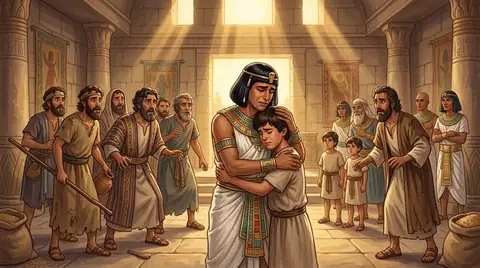 PersonJosephJacob's favourite son, sold by his brothers into Egypt, where he rose from prison to rule the land and saved his family…
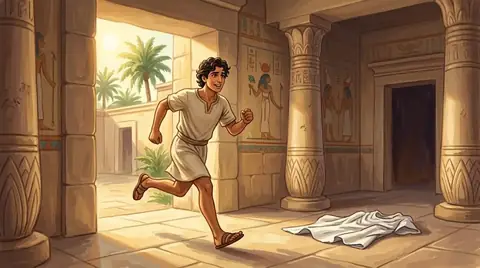 PersonPotipharAn Egyptian officer of Pharaoh, captain of the guard, who bought Joseph as a slave and made him steward of his house…
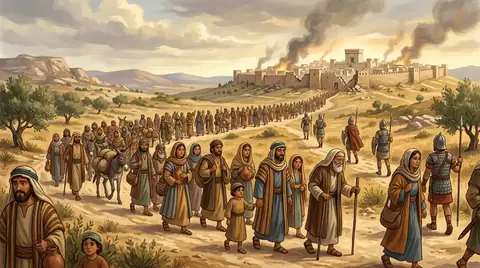 PersonNebuzaradanNebuchadnezzar's captain of the guard, who burned Jerusalem and the temple, deported the people, executed the leaders…
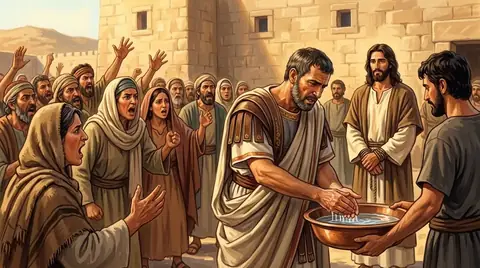 PersonPilateThe Roman governor of Judea who tried Jesus. He said three times that he found no fault in him, yet handed him over to…
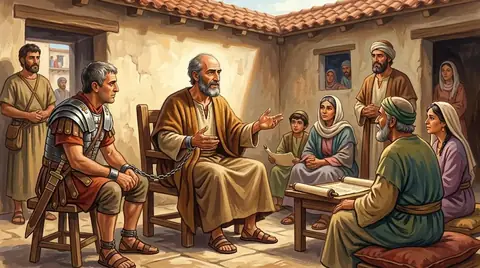 Place · CityRomeThe capital of the empire that ruled the Mediterranean world in New Testament times. Paul longed to preach there…
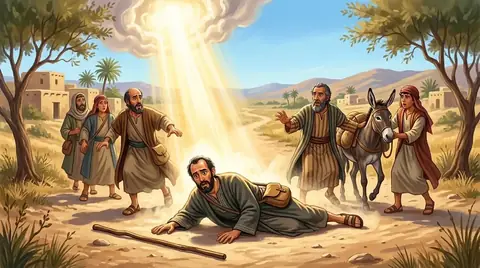 PersonPaulA Pharisee who hated the church until the risen Jesus met him on the road to Damascus. He became the apostle to the…
Written for this app in its own words, from the Bible, with the facts checked against Bible dictionaries and encyclopedias: Easton's, Smith's, Fausset's, ISBE, Holman, the New Bible Dictionary, Vine's and the Thompson Chain topics.
