
Group · Rulers
Governors and proconsuls
KJV "deputy" is a proconsul
Officials who ruled a land for a king or for Rome. Joseph and Nehemiah were governors; Pilate, Felix and Festus governed Judea; Sergius Paulus and Gallio were proconsuls.
- Old Testament
- Joseph over Egypt (Genesis 42:6); Zerubbabel and Nehemiah over Judah for Persia (Haggai 1:1; Nehemiah 5:14)
- Governors of Judea
- Pilate (Matthew 27:2), Felix and Festus (Acts 23:24; Acts 24:27)
- Proconsuls
- Sergius Paulus in Cyprus (Acts 13:7), Gallio in Achaia (Acts 18:12)
In the Old Testament
A governor ruled a province on behalf of a king. Joseph became governor of all Egypt under Pharaoh, and his brothers bowed to him without knowing him (Genesis 42:6). Under Persia Judah was a small province with its own governor: Zerubbabel, who rebuilt the temple (Haggai 1:1), and later Nehemiah, who refused the governor's food allowance so as not to burden the people (Nehemiah 5:14–15). Daniel served as a chief governor in Babylon (Daniel 2:48).
Roman governors
Rome kept troubled provinces such as Judea under the emperor's own men, with soldiers at their command and the power of life and death. Pontius Pilate sentenced Jesus though he found no fault in him (Matthew 27:11–26). Felix kept Paul in prison two years hoping for a bribe, and Festus sent him on to Caesar when Paul appealed (Acts 24:26–27; Acts 25:12). Luke dates the birth of Jesus and the preaching of John by the governors of the day (Luke 2:2; Luke 3:1).
Proconsuls
Peaceful provinces were governed for the Roman senate by proconsuls, which the KJV calls deputies. Sergius Paulus, proconsul of Cyprus, believed when he saw Paul strike the sorcerer Elymas blind (Acts 13:6–12). Gallio, proconsul of Achaia, threw out the charge against Paul in Corinth as a Jewish quarrel that was no business of a Roman court (Acts 18:12–17). Jesus had warned his disciples they would be brought before governors and kings for his sake, and so they were (Matthew 10:18).
Key verses
- Genesis 42:6
And Joseph was the governor over the land, and he it was that sold to all the people of the land: and Joseph’s brethren came, and bowed down themselves before him with their faces to the earth.
- Nehemiah 5:14–15
Moreover from the time that I was appointed to be their governor in the land of Judah, from the twentieth year even unto the two and thirtieth year of Artaxerxes the king, that is, twelve years, I and my brethren have not eaten the bread of the governor. But the former governors that had been before me were chargeable unto the people, and had taken of them bread and wine, beside forty shekels of silver; yea, even their servants bare rule over the people: but so did not I, because of the fear of God.
- Matthew 27:2
And when they had bound him, they led him away, and delivered him to Pontius Pilate the governor.
- Acts 13:7–12
Which was with the deputy of the country, Sergius Paulus, a prudent man; who called for Barnabas and Saul, and desired to hear the word of God. But Elymas the sorcerer (for so is his name by interpretation) withstood them, seeking to turn away the deputy from the faith. Then Saul, (who also is called Paul,) filled with the Holy Ghost, set his eyes on him, …
- Acts 18:12–17
And when Gallio was the deputy of Achaia, the Jews made insurrection with one accord against Paul, and brought him to the judgment seat, Saying, This fellow persuadeth men to worship God contrary to the law. And when Paul was now about to open his mouth, Gallio said unto the Jews, If it were a matter of wrong or wicked lewdness, O ye Jews, reason would that I should bear with you: …
- Acts 24:27
But after two years Porcius Festus came into Felix’ room: and Felix, willing to shew the Jews a pleasure, left Paul bound.
Read next
 PersonJosephJacob's favourite son, sold by his brothers into Egypt, where he rose from prison to rule the land and saved his family…
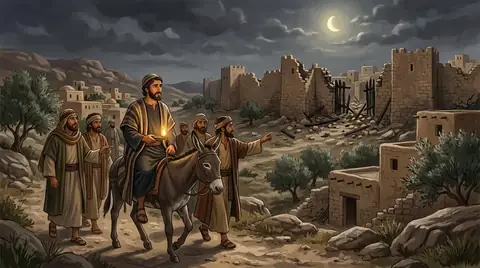 PersonNehemiahThe king of Persia's cupbearer who got leave to go to Jerusalem and rebuilt its broken walls in fifty-two days, despite…
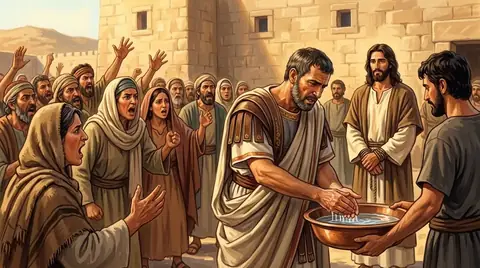 PersonPilateThe Roman governor of Judea who tried Jesus. He said three times that he found no fault in him, yet handed him over to…
 PersonFelixThe Roman governor who heard Paul's case at Caesarea, trembled at his preaching about judgment, hoped for a bribe, and…
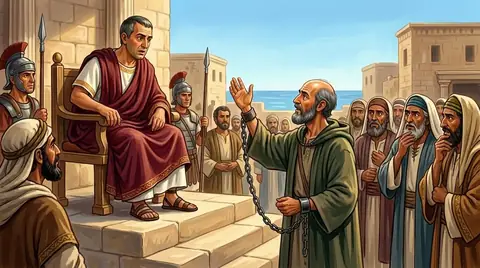 PersonFestusThe governor who took over from Felix, heard Paul's appeal to Caesar and brought him before King Agrippa, exclaiming…
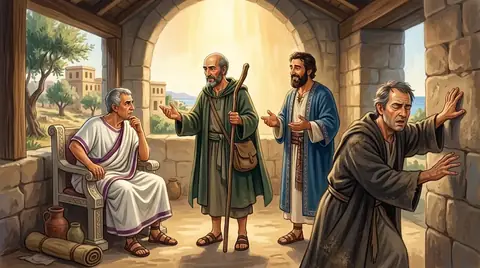 Person · GovernorSergius PaulusThe Roman governor of Cyprus, a thoughtful man who sent for Barnabas and Paul to hear God's word, and believed when he…
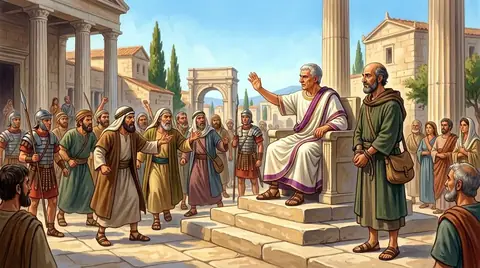 Person · Roman governorGallioThe Roman governor of Achaia when Paul was at Corinth. When the Jews brought Paul to court, Gallio refused to hear a…
 Place · EmpirePersiaThe great empire that conquered Babylon and ruled the Jews for two centuries. Its king Cyrus let the exiles go home…
Written for this app in its own words, from the Bible, with the facts checked against Bible dictionaries and encyclopedias: Easton's, Smith's, Fausset's, ISBE, Holman, the New Bible Dictionary, Vine's and the Thompson Chain topics.
