
Custom · Daily life
Food
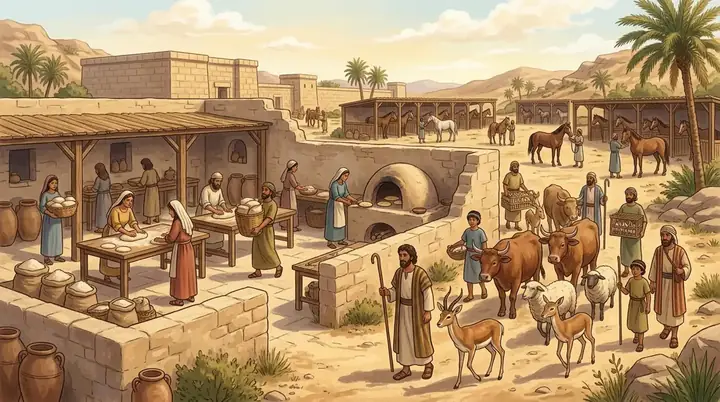
Bread, olives, milk, cheese, lentils, figs, grapes and honey were the daily food of Bible lands; meat was for feasts. God gave food as his gift, set rules about clean and unclean animals, and fed his people with manna in the desert.
- Staples
- Bread of wheat or barley, parched grain, olive oil, milk and cheese, lentils and beans, figs, raisins and honey
- Meat
- Mostly at feasts and for guests: a calf, a kid or a lamb (Genesis 18:7; Luke 15:23)
- Drink
- Water, milk, wine mixed with water; vinegar for workers (Ruth 2:14)
- Rules
- Clean and unclean animals; no blood; nothing that died of itself (Leviticus 11; Leviticus 17:10–15)
What people ate
At the beginning God gave people the plants and fruit of the earth (Genesis 1:29), and after the flood the animals too, but not their blood (Genesis 9:3–4). The ordinary meal was bread, broken and dipped in oil or a dish of lentils, with olives, a little cheese and whatever fruit was in season. Grain was also roasted and eaten as it was (Ruth 2:14). Abraham set before his visitors bread, butter, milk and a tender calf (Genesis 18:6–8); Jacob won a birthright with a pot of red lentil stew (Genesis 25:34); Abigail loaded donkeys with loaves, wine, dressed sheep, parched corn, raisins and figs (1 Samuel 25:18). Fish was common by the lake and the coast (Luke 24:42). Honey was the sweetener, and locusts were eaten by the poor, as by John the Baptist (Matthew 3:4). Solomon's palace ate thirty oxen and a hundred sheep a day, besides deer and fowl (1 Kings 4:22–23).
Food from God
In the desert God fed Israel for forty years with manna, and sent quail when they craved meat (Exodus 16; Numbers 11:31). The psalms praise him for feeding every creature: "the eyes of all wait upon thee; and thou givest them their meat in due season" (Psalms 145:15). Jesus taught his disciples to ask for daily bread (Matthew 6:11), gave thanks before eating (Mark 8:6), and fed thousands from a boy's lunch. Paul says every food is good when received with thanks (1 Timothy 4:4–5).
Rules and freedom
The law of Moses marked out which animals Israel could eat (see food laws), forbade blood and anything that died of itself, and kept the people from the feasts of idols (Exodus 34:15). In the New Testament Jesus declared all foods clean (Mark 7:19), and Peter's vision at Joppa taught him not to call common what God had cleansed (Acts 10:15). But Paul asks the strong to give way to the weak, for "the kingdom of God is not meat and drink" (Romans 14:17).
Key verses
- Genesis 1:29
And God said, Behold, I have given you every herb bearing seed, which is upon the face of all the earth, and every tree, in the which is the fruit of a tree yielding seed; to you it shall be for meat.
- Genesis 9:3–4
Every moving thing that liveth shall be meat for you; even as the green herb have I given you all things. But flesh with the life thereof, which is the blood thereof, shall ye not eat.
- Psalms 145:15
The eyes of all wait upon thee; and thou givest them their meat in due season.
- Matthew 6:11
Give us this day our daily bread.
- Mark 7:19
Because it entereth not into his heart, but into the belly, and goeth out into the draught, purging all meats?
- 1 Timothy 4:4–5
For every creature of God is good, and nothing to be refused, if it be received with thanksgiving: For it is sanctified by the word of God and prayer.
Read next
 PersonAbrahamThe man God called out of Ur to a land he had never seen, promising him a people and a blessing for the whole world. He…
 PersonJacobIsaac's younger twin son, who won his brother's birthright and blessing by cunning, was changed by God, and was renamed…
 PersonAbigailThe wise and beautiful wife of foolish Nabal. Her quick thinking and humble words stopped David from taking a bloody…
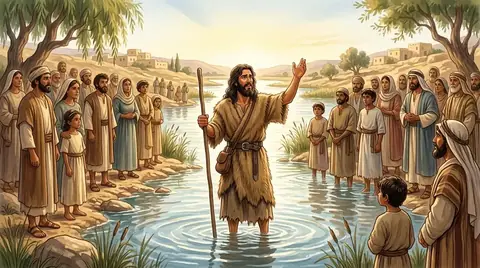 PersonJohn the BaptistThe prophet God sent to prepare the way for Jesus. He called Israel to repent, baptized in the Jordan, pointed to Jesus…
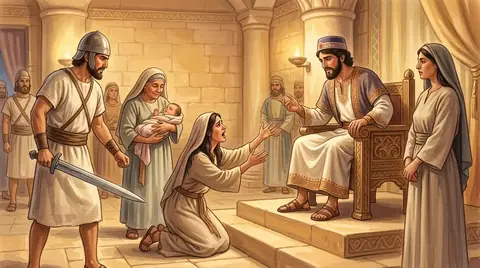 Person · KingSolomonDavid's son and Israel's third king, who asked God for wisdom and received riches and fame as well. He built the temple…
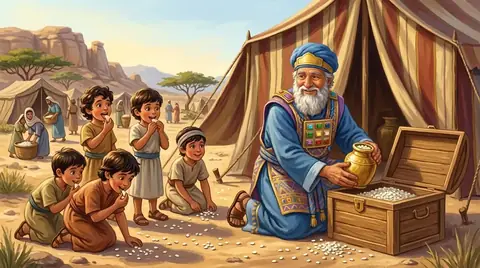 Thing · SymbolMannaThe food God sent every morning to feed Israel in the desert for forty years. Jesus called himself the true bread from…
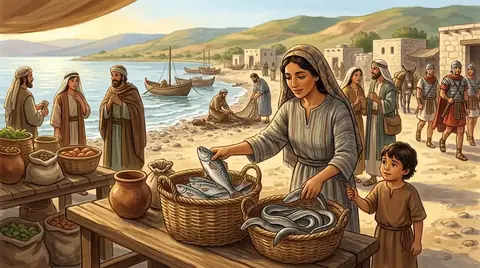 Custom · WorshipFood lawsIsrael could eat only "clean" animals: beasts that chew the cud and have a divided hoof, fish that have fins and…
Written for this app in its own words, from the Bible, with the facts checked against Bible dictionaries and encyclopedias: Easton's, Smith's, Fausset's, ISBE, Holman, the New Bible Dictionary, Vine's and the Thompson Chain topics.
