
Topic
False Accusation
also called accusation, false; suspicion
Charging someone with a wrong they did not do. Joseph, Naboth, Jeremiah, Stephen, Paul and Jesus himself were all falsely accused; God's law forbade it, and Jesus blessed those who suffer it for his sake.
- The law
- "Thou shalt not raise a false report" (Exodus 23:1)
- Instances
- Joseph (Genesis 39:7–20); Naboth (1 Kings 21); Jeremiah (Jeremiah 37:13–14); Stephen (Acts 6:11–13)
- Jesus
- Matthew 5:11; Matthew 26:59–61
- See also
- Perjury, Talebearer
In the Old Testament
God's law told Israel not to spread a false report or join with the wicked as a lying witness (Exodus 23:1; Exodus 23:7). Yet the innocent were often accused. Potiphar's wife accused Joseph of the very thing he had refused to do (Genesis 39:7–20). Jezebel hired two men to swear that Naboth had cursed God and the king (1 Kings 21:10–13). Jeremiah was arrested as a deserter to the Babylonians (Jeremiah 37:13–14). Satan himself is "the accuser", who said Job served God only for what he got (Job 1:9–11; Revelation 12:10).
In Jesus
The leaders sought false witnesses against Jesus and charged him with blasphemy and with forbidding tribute to Caesar (Matthew 26:59–61; Luke 23:2). Stephen and Paul faced the same (Acts 6:13; Acts 24:5–6).
For us
"Blessed are ye, when men shall revile you... and say all manner of evil against you falsely, for my sake" (Matthew 5:11). Peter tells believers to live so well that those who accuse them will be ashamed (1 Peter 3:16).
Key verses
- Exodus 23:1
Thou shalt not raise a false report: put not thine hand with the wicked to be an unrighteous witness.
- Genesis 39:7–20
And it came to pass after these things, that his master’s wife cast her eyes upon Joseph; and she said, Lie with me. But he refused, and said unto his master’s wife, Behold, my master wotteth not what is with me in the house, and he hath committed all that he hath to my hand; There is none greater in this house than I; neither hath he kept back any thing from me but thee, because thou art his wife: how then can I do this great wickedness, and sin against God? …
- 1 Kings 21:10–13
And set two men, sons of Belial, before him, to bear witness against him, saying, Thou didst blaspheme God and the king. And then carry him out, and stone him, that he may die. And the men of his city, even the elders and the nobles who were the inhabitants in his city, did as Jezebel had sent unto them, and as it was written in the letters which she had sent unto them. They proclaimed a fast, and set Naboth on high among the people. …
- Matthew 5:11
Blessed are ye, when men shall revile you, and persecute you, and shall say all manner of evil against you falsely, for my sake.
- 1 Peter 3:16
Having a good conscience; that, whereas they speak evil of you, as of evildoers, they may be ashamed that falsely accuse your good conversation in Christ.
Read next
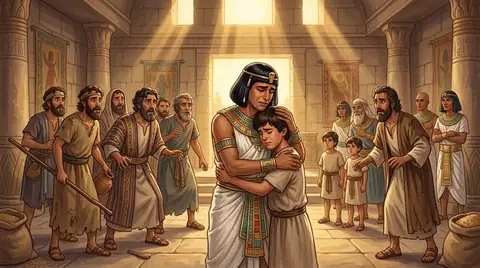 PersonJosephJacob's favourite son, sold by his brothers into Egypt, where he rose from prison to rule the land and saved his family…
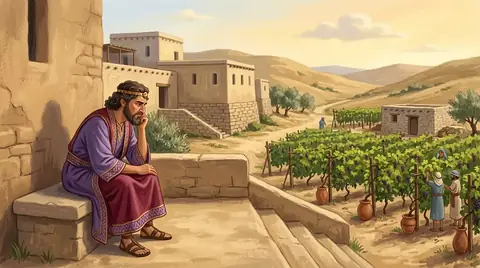 PersonNabothA man of Jezreel whose vineyard lay beside King Ahab's palace. He would not sell his family's land, so Jezebel had him…
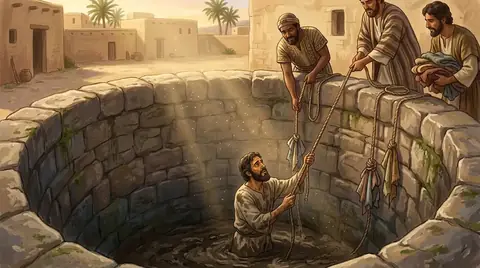 PersonJeremiahThe prophet who warned Judah for forty years that Babylon was coming, and wept as it came. He was beaten, put in the…
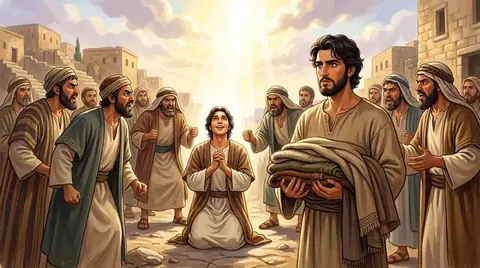 PersonStephenOne of the seven men chosen to care for the widows of the Jerusalem church. Full of faith and the Holy Spirit, he…TeachingPerjurySwearing falsely: telling a lie under oath, or breaking a sworn promise. God's law forbids it, false witnesses brought…Person · SinTalebearerSomeone who goes about passing on gossip and secrets. The Law forbids it, Proverbs warns that it wounds deeply and…
 PersonPotipharAn Egyptian officer of Pharaoh, captain of the guard, who bought Joseph as a slave and made him steward of his house…
 PersonJezebelAhab's foreign queen, who brought Baal worship to Israel, killed the LORD's prophets and had Naboth stoned for his…
Written for this app in its own words, from the Bible, with the facts checked against Bible dictionaries and encyclopedias: Easton's, Smith's, Fausset's, ISBE, Holman, the New Bible Dictionary, Vine's and the Thompson Chain topics.
