
Animal
Elephant
The elephant is never named in the Bible, but its ivory is, as a luxury of kings: Solomon's throne, Ahab's palace and the merchandise of Babylon.
- Where
- 1 Kings 10:18–22; 1 Kings 22:39; Amos 6:4; Ezekiel 27:15; Revelation 18:12
- Hebrew
- shenhabbim, "elephants' teeth", translated "ivory" (1 Kings 10:22)
The Hebrew word for ivory in Solomon's day means "elephants' teeth", so the animal is there in the word even though the Bible never describes one. Solomon's ships brought ivory from far away every three years, with gold, apes and peacocks, and he made a great throne of ivory overlaid with gold (1 Kings 10:18–22). King Ahab built a house panelled with ivory (1 Kings 22:39), and the rich of Samaria lounged on ivory beds, which Amos held against them (Amos 6:4). Tyre traded in ivory and ebony (Ezekiel 27:15), and ivory is in the list of goods that no one buys when Babylon falls (Revelation 18:12). The margin of some Bibles suggests that the "behemoth" of Job 40:15 might be the elephant, but that huge, grass-eating beast is more often thought to be the hippopotamus. In Bible times elephants lived in Syria as well as Africa and India, and their tusks were the finest material a king could show off.
Key verses
- 1 Kings 10:22
For the king had at sea a navy of Tharshish with the navy of Hiram: once in three years came the navy of Tharshish, bringing gold, and silver, ivory, and apes, and peacocks.
- 1 Kings 22:39
Now the rest of the acts of Ahab, and all that he did, and the ivory house which he made, and all the cities that he built, are they not written in the book of the chronicles of the kings of Israel?
- Amos 6:4
That lie upon beds of ivory, and stretch themselves upon their couches, and eat the lambs out of the flock, and the calves out of the midst of the stall;
- Revelation 18:12
The merchandise of gold, and silver, and precious stones, and of pearls, and fine linen, and purple, and silk, and scarlet, and all thyine wood, and all manner vessels of ivory, and all manner vessels of most precious wood, and of brass, and iron, and marble,
Read next
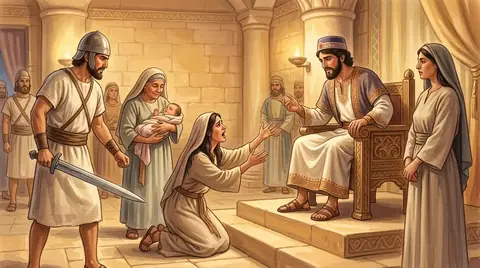 Person · KingSolomonDavid's son and Israel's third king, who asked God for wisdom and received riches and fame as well. He built the temple…
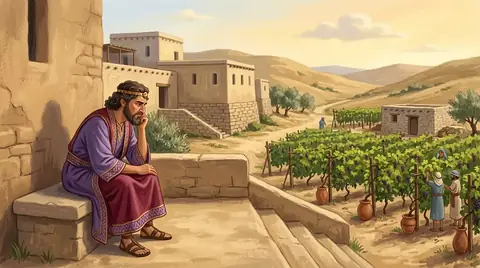 Person · KingAhabThe seventh king of the northern kingdom of Israel, who married Jezebel and led the nation into Baal worship. He…
 Place · City and regionSamariaThe hill city Omri built as capital of the northern kingdom of Israel. It saw Ahab and Jezebel, Elijah and Elisha…
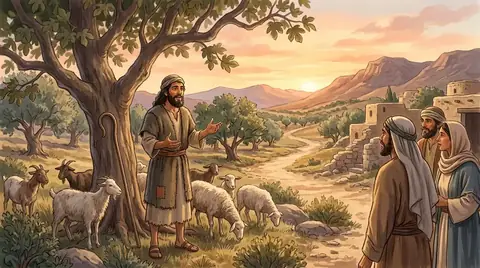 PersonAmosA shepherd and fig-grower from Tekoa in Judah whom God sent to warn the rich northern kingdom of Israel. He called for…
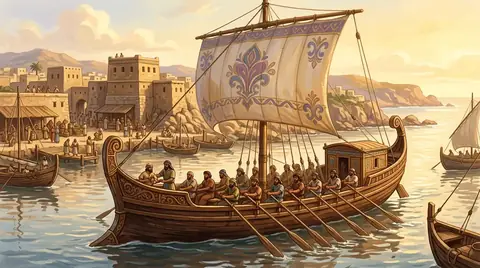 Place · CityTyreThe great trading port of Phoenicia, on the coast north of Israel. Its king Hiram helped build Solomon's temple; later…
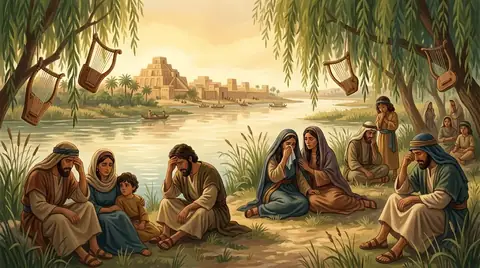 Place · CityBabylonThe great city on the Euphrates where the tower of Babel was built. Under Nebuchadnezzar it ruled the world, destroyed…
Written for this app in its own words, from the Bible, with the facts checked against Bible dictionaries and encyclopedias: Easton's, Smith's, Fausset's, ISBE, Holman, the New Bible Dictionary, Vine's and the Thompson Chain topics.
