

Symbol
Dust
The Bible's picture of human weakness: God made man of the dust, and to dust he returns. Dust on the head meant grief; dust shaken from the feet meant a parting. Yet God promised Abraham children beyond counting, like the dust.
- Key verses
- Genesis 2:7; Genesis 3:19; Genesis 13:16; Psalms 103:14; Ecclesiastes 12:7
- Customs
- Dust on the head in mourning (Joshua 7:6; Job 2:12); dust thrown in anger (2 Samuel 16:13; Acts 22:23); dust shaken off the feet (Matthew 10:14; Acts 13:51)
What we are made of
"The LORD God formed man of the dust of the ground" (Genesis 2:7). After the fall the sentence was that he would go back to it: "dust thou art, and unto dust shalt thou return" (Genesis 3:19). So the Bible calls the grave the dust (Job 7:21; Psalms 22:15), and says of all creatures that they come from dust and go to dust again (Ecclesiastes 3:20), the body to the earth and the spirit to God who gave it (Ecclesiastes 12:7). Abraham pleading for Sodom called himself "but dust and ashes" (Genesis 18:27), and Job in the end repented in dust and ashes (Job 42:6). Yet the same truth brings comfort: God "remembereth that we are dust" (Psalms 103:14) and pities his children as a father does.
Dust in daily life
To throw dust on the head was the sign of shock and grief, as when Joshua and the elders lay before the ark after the defeat at Ai (Joshua 7:6), or Job's friends sat with him in silence (Job 2:12). To sit in the dust was deepest humbling (Isaiah 47:1), and to lick it, utter defeat (Psalms 72:9). Shimei threw dust at the fleeing David to curse him (2 Samuel 16:13), and the Jerusalem mob threw it in the air against Paul (Acts 22:23). Jesus told his disciples to shake the dust of an unwelcoming town from their feet, as Paul and Barnabas later did at Antioch (Matthew 10:14; Acts 13:51): we have no more to do with you. Jesus himself wrote in the dust when the accusers brought the woman taken in adultery (John 8:6).
Dust and promise
God promised Abraham that his seed would be like the dust of the earth, beyond counting (Genesis 13:16). And the dust has a future. "Many of them that sleep in the dust of the earth shall awake" (Daniel 12:2). Paul says the first man was of the earth, earthy, but the second man is the Lord from heaven, and as we have borne the image of the man of dust we shall bear the image of the heavenly (1 Corinthians 15:47–49).
Key verses
- Genesis 2:7
And the Lord God formed man of the dust of the ground, and breathed into his nostrils the breath of life; and man became a living soul.
- Genesis 3:19
In the sweat of thy face shalt thou eat bread, till thou return unto the ground; for out of it wast thou taken: for dust thou art, and unto dust shalt thou return.
- Psalms 103:14
For he knoweth our frame; he remembereth that we are dust.
- Matthew 10:14
And whosoever shall not receive you, nor hear your words, when ye depart out of that house or city, shake off the dust of your feet.
- 1 Corinthians 15:47–49
The first man is of the earth, earthy: the second man is the Lord from heaven. As is the earthy, such are they also that are earthy: and as is the heavenly, such are they also that are heavenly. And as we have borne the image of the earthy, we shall also bear the image of the heavenly.
Read next
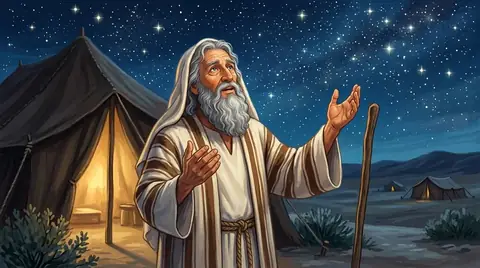 PersonAbrahamThe man God called out of Ur to a land he had never seen, promising him a people and a blessing for the whole world. He…
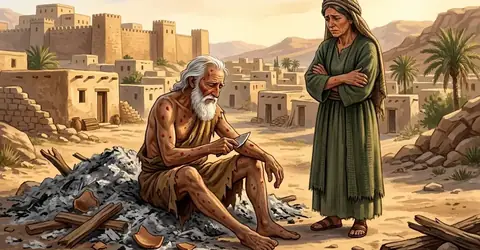 PersonJobA rich and godly man who lost his children, his wealth and his health in a single stroke, and would not curse God. His…
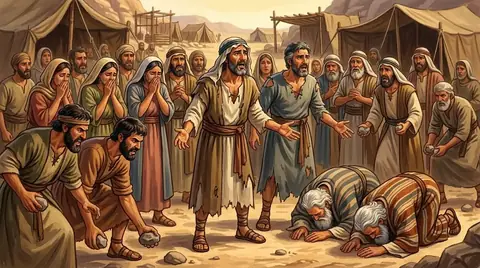 PersonJoshuaMoses' helper who took over from him and led Israel across the Jordan into the Promised Land. He fought the wars of…
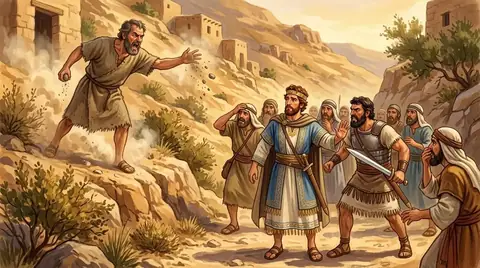 PersonShimeiA relative of Saul who cursed David and threw stones at him as the king fled from Absalom. David spared him, but…
Written for this app in its own words, from the Bible, with the facts checked against Bible dictionaries and encyclopedias: Easton's, Smith's, Fausset's, ISBE, Holman, the New Bible Dictionary, Vine's and the Thompson Chain topics.
