
Teaching · Prophecy
The day of the LORD
The day God breaks in to judge the wicked and rescue his own. The prophets saw it in the fall of nations and looked on to the last day. In the apostles' letters it is the day Christ returns.
- In the prophets
- Isaiah 13:6–9; Joel 2:1–11; Joel 2:31; Amos 5:18–20; Zephaniah 1:14–18; Malachi 4:5
- In the New Testament
- Acts 2:20; 1 Thessalonians 5:2; 2 Thessalonians 2:2; 2 Peter 3:10
- Also called
- The day of Christ; the day of judgement; "that day"
In the Old Testament
Israel liked to talk about the day of the LORD as the day God would crush their enemies. Amos turned it on them: "Woe unto you that desire the day of the LORD!" It would be darkness, not light, like a man who escapes a lion only to meet a bear (Amos 5:18–20). For Isaiah it was the day the proud would be brought low and the LORD alone exalted (Isaiah 2:12), and the day of Babylon's fall, with the stars going dark (Isaiah 13:6–10). Joel saw it coming in a plague of locusts and in an army from the north, and called the people to rend their hearts and not their garments (Joel 2:1–13). Zephaniah called it a day of wrath, trouble and thick darkness, near and hurrying (Zephaniah 1:14–18). Each judgement in history was a taste of the great one at the end, when God would also pour out his Spirit and save everyone who called on his name (Joel 2:28–32). Malachi closed the Old Testament by promising Elijah before "the great and dreadful day of the LORD" (Malachi 4:5).
In the New Testament
Peter said Joel's promise began to come true at Pentecost (Acts 2:16–21). Paul taught that "the day of the Lord so cometh as a thief in the night" (1 Thessalonians 5:2): sudden and unannounced, bringing destruction on those saying "Peace and safety", but not catching believers unawares, because they are children of the light (1 Thessalonians 5:3–5). On that day Christ appears, the dead are raised, every person is judged and the heavens and earth are remade (2 Peter 3:10–13). Paul also calls it "the day of Christ" (Philippians 1:6).
For us
Because the day is certain and its hour unknown, we are to live now as people of the day: awake, sober, hoping and holy (1 Thessalonians 5:6–8; 2 Peter 3:11).
Key verses
- Amos 5:18
Woe unto you that desire the day of the Lord! to what end is it for you? the day of the Lord is darkness, and not light.
- Joel 2:31
The sun shall be turned into darkness, and the moon into blood, before the great and the terrible day of the Lord come.
- Zephaniah 1:14
The great day of the Lord is near, it is near, and hasteth greatly, even the voice of the day of the Lord: the mighty man shall cry there bitterly.
- 1 Thessalonians 5:2
For yourselves know perfectly that the day of the Lord so cometh as a thief in the night.
- 2 Peter 3:10
But the day of the Lord will come as a thief in the night; in the which the heavens shall pass away with a great noise, and the elements shall melt with fervent heat, the earth also and the works that are therein shall be burned up.
Read next
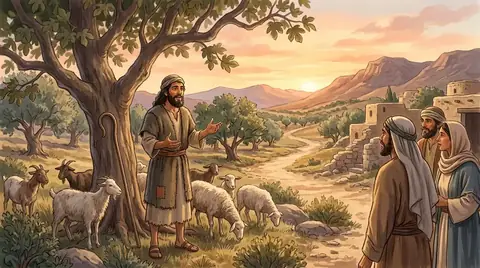 PersonAmosA shepherd and fig-grower from Tekoa in Judah whom God sent to warn the rich northern kingdom of Israel. He called for…
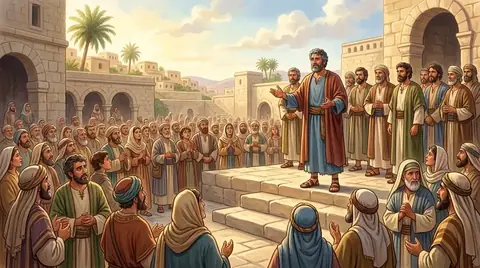 PersonJoelThe prophet who wrote the book of Joel. He saw a plague of locusts as a warning of the day of the LORD and promised…PersonZephaniahA prophet of Judah, descended from King Hezekiah, who warned of the great Day of the LORD in the reign of Josiah, and…Person · ProphetMalachiThe last of the Old Testament prophets. After the return from exile he rebuked careless priests and people, and…
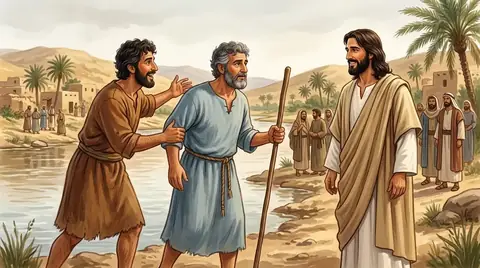 PersonPeterA Galilean fisherman who became the leader of the twelve apostles. Bold and impulsive, he confessed Jesus as the…
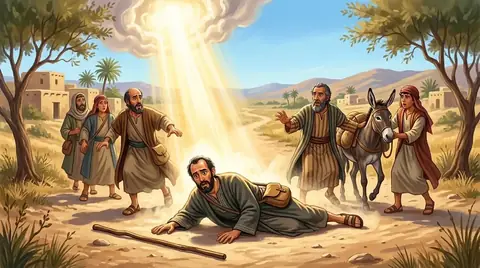 PersonPaulA Pharisee who hated the church until the risen Jesus met him on the road to Damascus. He became the apostle to the…
Written for this app in its own words, from the Bible, with the facts checked against Bible dictionaries and encyclopedias: Easton's, Smith's, Fausset's, ISBE, Holman, the New Bible Dictionary, Vine's and the Thompson Chain topics.
