
Place · Person
Cush
KOOSHAlso called Ethiopia · today in Sudan
The land south of Egypt along the upper Nile, called Ethiopia in the KJV, and the son of Ham from whom its people came. A Cushite saved Jeremiah from a cistern, and a Cushite official was baptised by Philip.
- Meaning
- Probably "black"
- Where
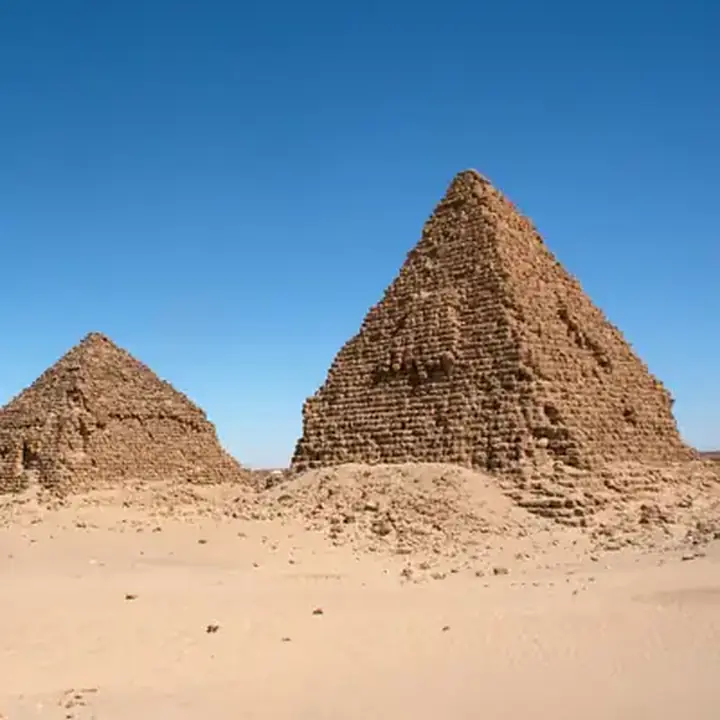
- Up the Nile from Egypt: today's Sudan
- Also
- Cush the son of Ham, father of Nimrod (Genesis 10:6–8); Cush the Benjamite in the title of Psalm 7
The land
Cush lay beyond Egypt's southern border, up the Nile in what is now Sudan. The KJV usually calls it Ethiopia, its Greek name. Its people were dark-skinned, as Jeremiah's question shows: "Can the Ethiopian change his skin?" (Jeremiah 13:23). It was known for its soldiers, its topaz (Job 28:19) and its wealth, and for a time its kings ruled Egypt too. Tirhakah, king of Ethiopia, marched against Assyria when Sennacherib threatened Jerusalem (2 Kings 19:9). Zerah the Ethiopian came against King Asa with a vast army and was beaten (2 Chronicles 14:9–13). The prophets foretold judgement on Cush along with Egypt (Isaiah 20:3–5; Ezekiel 30:4–5), but also a day when Ethiopia would "stretch out her hands unto God" (Psalms 68:31).
Cushites in the Bible
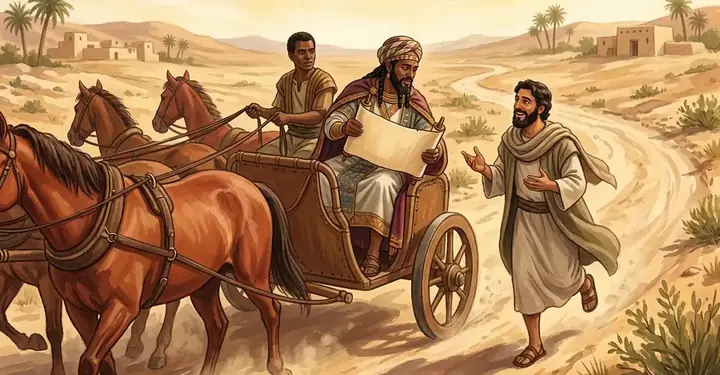
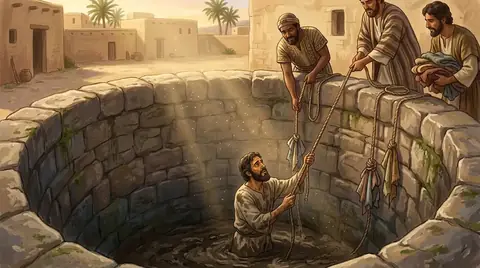
Moses married a Cushite woman, which gave Miriam and Aaron an excuse to grumble (Numbers 12:1). A Cushite runner carried the news of the death of Absalom to David (2 Samuel 18:21–32). Ebed-melech, an Ethiopian servant at the palace, pulled Jeremiah out of a muddy cistern, and God promised to spare him when Jerusalem fell (Jeremiah 38:7–13; Jeremiah 39:16–18). In Acts the treasurer of Candace, queen of the Ethiopians, was reading Isaiah on the road from Jerusalem when Philip explained it to him and baptised him (Acts 8:26–39).
The people with the name
Cush was the eldest son of Ham, Noah's grandson, and the father of Seba, Havilah and others whose descendants spread through Africa and Arabia; his most famous son was Nimrod, the mighty hunter who built Babel (Genesis 10:6–12). Another Cush, a Benjamite, slandered David; Psalm 7 was David's answer (Psalms 7:1). The river that wound through "the whole land of Ethiopia" in Eden was the Gihon (Genesis 2:13); where that was isn't certain.
Key verses
- Genesis 10:6–8
And the sons of Ham; Cush, and Mizraim, and Phut, and Canaan. And the sons of Cush; Seba, and Havilah, and Sabtah, and Raamah, and Sabtecha: and the sons of Raamah; Sheba, and Dedan. And Cush begat Nimrod: he began to be a mighty one in the earth.
- Numbers 12:1
And Miriam and Aaron spake against Moses because of the Ethiopian woman whom he had married: for he had married an Ethiopian woman.
- Psalms 68:31
Princes shall come out of Egypt; Ethiopia shall soon stretch out her hands unto God.
- Jeremiah 38:7–13
Now when Ebed–melech the Ethiopian, one of the eunuchs which was in the king’s house, heard that they had put Jeremiah in the dungeon; the king then sitting in the gate of Benjamin; Ebed–melech went forth out of the king’s house, and spake to the king, saying, My lord the king, these men have done evil in all that they have done to Jeremiah the prophet, whom they have cast into the dungeon; and he is like to die for hunger in the place where he is: for there is no more bread in the city. …
- Acts 8:27
And he arose and went: and, behold, a man of Ethiopia, an eunuch of great authority under Candace queen of the Ethiopians, who had the charge of all her treasure, and had come to Jerusalem for to worship,
On the map
Mentioned in 44 verses
- Genesis 1
- Numbers 1
- 2 Samuel 5
- 2 Kings 1
- 2 Chronicles 6
- Esther 2
- Job 1
- Psalms 2
- Isaiah 8
- Jeremiah 6
- Ezekiel 5
- Daniel 1
- Amos 1
- Nahum 1
- Zephaniah 2
- Acts 1
Read next
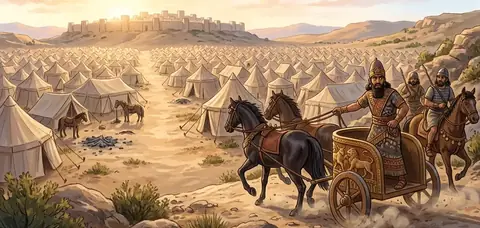 PersonSennacheribThe king of Assyria who invaded Judah in Hezekiah's reign and threatened Jerusalem. God answered Hezekiah's prayer…Person · KingAsaThe third king of Judah, who reigned forty-one years. He swept away the idols, won a great victory by prayer, and then…
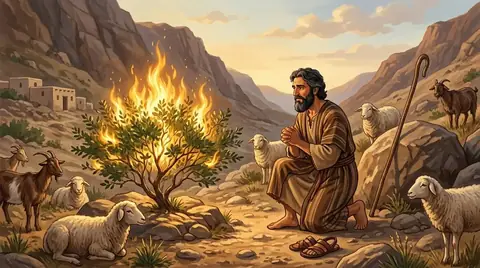 PersonMosesThe man God used to bring Israel out of Egypt, give them his Law at Sinai, and lead them for forty years in the…
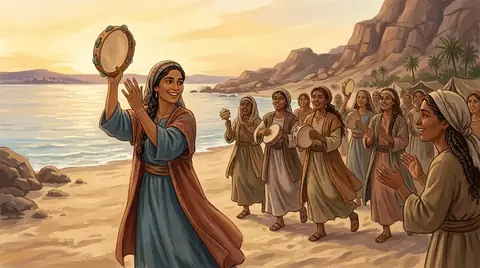 PersonMiriamMoses' older sister, who watched over his basket in the Nile and later led the women of Israel in song at the Red Sea.…
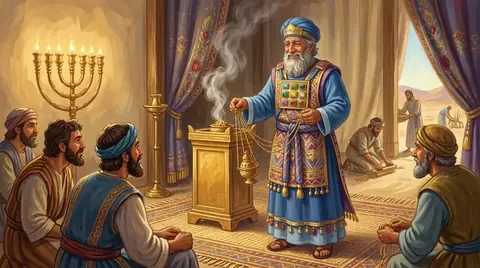 PersonAaronMoses' older brother and Israel's first high priest. He spoke for Moses before Pharaoh and served God at the tabernacle…
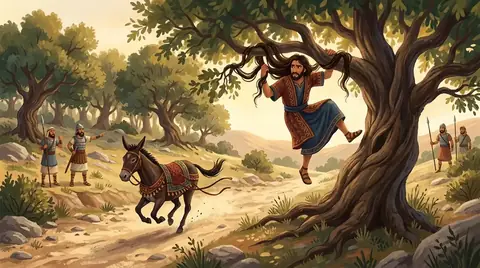 PersonAbsalomDavid's handsome third son, who murdered his brother Amnon, won the hearts of Israel and rose in rebellion against his…
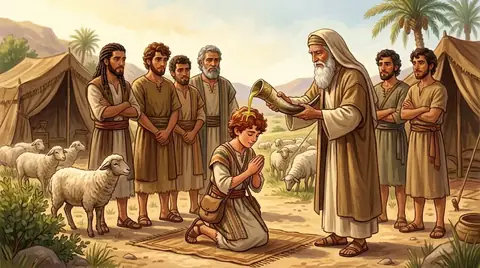 Person · KingDavidThe shepherd boy who killed Goliath and became Israel's greatest king, "a man after God's own heart". He wrote many…
 PersonJeremiahThe prophet who warned Judah for forty years that Babylon was coming, and wept as it came. He was beaten, put in the…
Written for this app in its own words, from the Bible, with the facts checked against Bible dictionaries and encyclopedias: Easton's, Smith's, Fausset's, ISBE, Holman, the New Bible Dictionary, Vine's and the Thompson Chain topics. People and places: STEPBible.org (TIPNR), CC BY 4.0; where a place is today and its photo: OpenBible.info, CC BY 4.0.
