
Teaching
Contentment
Being at peace with what God has given, without envy or anxious grasping for more. Paul said he had learned it in plenty and in want, because Christ was his strength.
- Key texts
- Psalms 23:1; Proverbs 15:16; Philippians 4:11–13; 1 Timothy 6:6–8; Hebrews 13:5
- Its opposites
- Envy, greed, worry, grumbling
- Examples
- Barzillai (2 Samuel 19:33–37), the Shunammite woman (2 Kings 4:13)
What it is
Contentment is not having everything you want; it is wanting what you have, because you trust the one who gave it. David put it in six words: "The LORD is my shepherd; I shall not want" (Psalms 23:1). Proverbs says that a little with the fear of the LORD is better than great treasure with trouble (Proverbs 15:16), and asks God for neither poverty nor riches but daily bread (Proverbs 30:8). Israel in the wilderness is the standing warning against the opposite: fed with manna every morning, they grumbled for meat and the leeks of Egypt (Numbers 11:4–6).
In the New Testament
When soldiers asked John the Baptist what to do, he told them not to bully anyone and to be content with their pay (Luke 3:14). Paul wrote from prison that he had learned, in whatever state he was, to be content: he knew how to be full and how to be hungry, and could do all things through Christ who strengthened him (Philippians 4:11–13). To Timothy he said that godliness with contentment is great gain; we brought nothing into the world and will take nothing out, and if we have food and clothing we should be satisfied (1 Timothy 6:6–8). Hebrews ties contentment to a promise: be content with what you have, because God has said "I will never leave thee, nor forsake thee" (Hebrews 13:5).
For us
Contentment is learned, Paul says, not born. It grows from looking at God's care rather than at other people's possessions, and from knowing that the best things, Christ himself and a home with him, are already ours and cannot be lost.
Key verses
- Psalms 23:1
A Psalm of David. The Lord is my shepherd; I shall not want.
- Philippians 4:11–13
Not that I speak in respect of want: for I have learned, in whatsoever state I am, therewith to be content. I know both how to be abased, and I know how to abound: every where and in all things I am instructed both to be full and to be hungry, both to abound and to suffer need. I can do all things through Christ which strengtheneth me.
- 1 Timothy 6:6–8
But godliness with contentment is great gain. For we brought nothing into this world, and it is certain we can carry nothing out. And having food and raiment let us be therewith content.
- Hebrews 13:5
Let your conversation be without covetousness; and be content with such things as ye have: for he hath said, I will never leave thee, nor forsake thee.
Read next
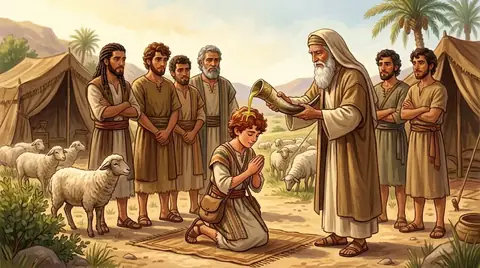 Person · KingDavidThe shepherd boy who killed Goliath and became Israel's greatest king, "a man after God's own heart". He wrote many…
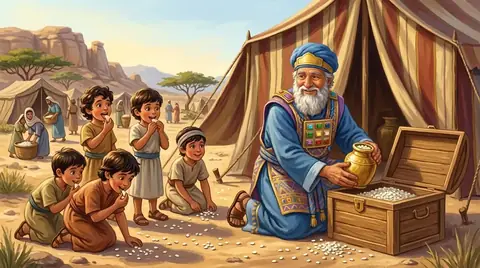 Thing · SymbolMannaThe food God sent every morning to feed Israel in the desert for forty years. Jesus called himself the true bread from…
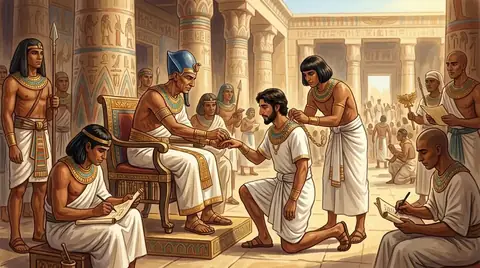 Place · NationEgyptThe great kingdom of the Nile, where Israel grew from a family into a nation and was then enslaved. The Exodus from…
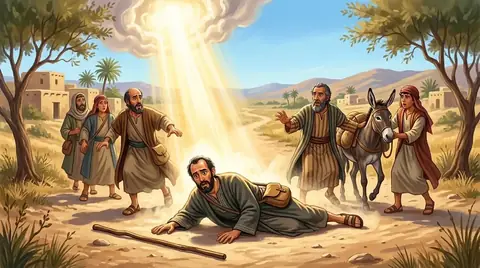 PersonPaulA Pharisee who hated the church until the risen Jesus met him on the road to Damascus. He became the apostle to the…
Written for this app in its own words, from the Bible, with the facts checked against Bible dictionaries and encyclopedias: Easton's, Smith's, Fausset's, ISBE, Holman, the New Bible Dictionary, Vine's and the Thompson Chain topics.
