
Symbol
Circumcision of the heart
Deuteronomy 10:16; Romans 2:29
The Bible's way of saying that God wants the inside changed, not just the outside marked. The knife that removed a bit of skin pictured a heart with its stubbornness and sin cut away.
- Old Testament
- Leviticus 26:41; Deuteronomy 10:16; Deuteronomy 30:6; Jeremiah 4:4; Jeremiah 9:25–26
- New Testament
- Acts 7:51; Romans 2:28–29; Philippians 3:3; Colossians 2:11–13
- Who does it
- God, by his Spirit, through Christ
In the Old Testament
Circumcision was the mark of belonging to God's people, but a mark on the body never changed a man. So the Law itself said, "Circumcise therefore the foreskin of your heart, and be no more stiffnecked" (Deuteronomy 10:16): stop being hard and closed towards God. Then Moses looked ahead to a day when Israel would fail, be scattered and come back, and promised that "the LORD thy God will circumcise thine heart" so that they would love him with all of it (Deuteronomy 30:6). What God demanded he would himself give. Jeremiah used the same call to a nation about to fall (Jeremiah 4:4), and said that Judah was no better than the nations around, "uncircumcised in the heart" (Jeremiah 9:26).
In the New Testament
Stephen threw the phrase at the council that was about to stone him: "uncircumcised in heart and ears", always resisting the Holy Spirit (Acts 7:51). Paul made it a key to the gospel. The real Jew is one inwardly, and real circumcision "is that of the heart, in the spirit, and not in the letter" (Romans 2:28–29). Christians, he said, "are the circumcision", those who worship God by the Spirit and put no trust in the flesh (Philippians 3:3). In Christ the believer has been circumcised without hands: the old sinful nature stripped off, buried with him in baptism and raised with him (Colossians 2:11–13).
For us
Religion can be worn like a badge. God looks for the thing itself: a heart that has been opened to him, and he is the one who does the cutting.
Key verses
- Deuteronomy 10:16
Circumcise therefore the foreskin of your heart, and be no more stiffnecked.
- Deuteronomy 30:6
And the Lord thy God will circumcise thine heart, and the heart of thy seed, to love the Lord thy God with all thine heart, and with all thy soul, that thou mayest live.
- Jeremiah 4:4
Circumcise yourselves to the Lord, and take away the foreskins of your heart, ye men of Judah and inhabitants of Jerusalem: lest my fury come forth like fire, and burn that none can quench it, because of the evil of your doings.
- Romans 2:29
But he is a Jew, which is one inwardly; and circumcision is that of the heart, in the spirit, and not in the letter; whose praise is not of men, but of God.
- Colossians 2:11
In whom also ye are circumcised with the circumcision made without hands, in putting off the body of the sins of the flesh by the circumcision of Christ:
Read next
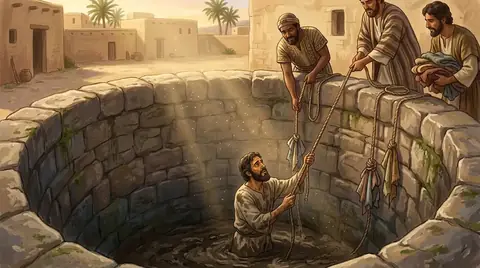 PersonJeremiahThe prophet who warned Judah for forty years that Babylon was coming, and wept as it came. He was beaten, put in the…
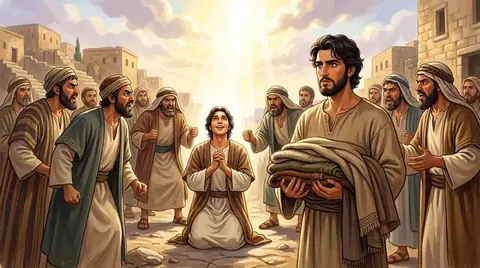 PersonStephenOne of the seven men chosen to care for the widows of the Jerusalem church. Full of faith and the Holy Spirit, he…
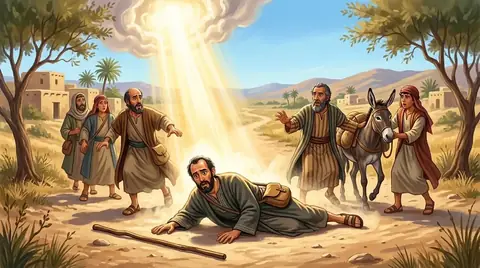 PersonPaulA Pharisee who hated the church until the risen Jesus met him on the road to Damascus. He became the apostle to the…
Written for this app in its own words, from the Bible, with the facts checked against Bible dictionaries and encyclopedias: Easton's, Smith's, Fausset's, ISBE, Holman, the New Bible Dictionary, Vine's and the Thompson Chain topics.
