
Teaching
Atheism
Believing, or living as if, there is no God. The Bible calls it the thought of a fool and says God's power and nature are plain in what he has made, so that no one is without excuse.
- The fool
- Psalms 14:1; Psalms 53:1
- Against it
- Job 12:7–10; Psalms 19:1; Acts 14:17; Romans 1:19–20
- Compare
- Unbelief, Faith
What the Bible says
The Bible never tries to prove God exists; it begins with him (Genesis 1:1). Twice the Psalms say, "The fool hath said in his heart, There is no God" (Psalms 14:1; Psalms 53:1). The fool here is not someone without brains but someone who has shut God out of his heart, and so his life goes wrong: "They are corrupt."
The witness of creation
Job says to ask the beasts, the birds and the fish: which of them does not know that the hand of the LORD has made all this? (Job 12:7–10). "The heavens declare the glory of God" (Psalms 19:1). God never left himself without witness, giving rain and harvests (Acts 14:17). Paul says that God's eternal power and Godhead are clearly seen from the creation of the world, "so that they are without excuse" (Romans 1:19–20).
For us
"He that cometh to God must believe that he is, and that he is a rewarder of them that diligently seek him" (Hebrews 11:6). God promises to be found by those who seek him with all their heart (Jeremiah 29:13).
Key verses
- Psalms 14:1
To the chief Musician, A Psalm of David. The fool hath said in his heart, There is no God. They are corrupt, they have done abominable works, there is none that doeth good.
- Job 12:7–9
But ask now the beasts, and they shall teach thee; and the fowls of the air, and they shall tell thee: Or speak to the earth, and it shall teach thee: and the fishes of the sea shall declare unto thee. Who knoweth not in all these that the hand of the Lord hath wrought this?
- Romans 1:20
For the invisible things of him from the creation of the world are clearly seen, being understood by the things that are made, even his eternal power and Godhead; so that they are without excuse:
- Hebrews 11:6
But without faith it is impossible to please him: for he that cometh to God must believe that he is, and that he is a rewarder of them that diligently seek him.
Read next
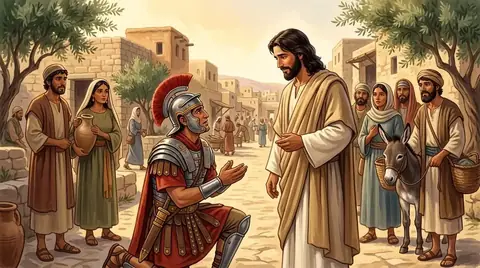 TeachingFaithBelieving God and resting on him: taking his word as true and trusting Jesus Christ to save. The Bible says we are put…
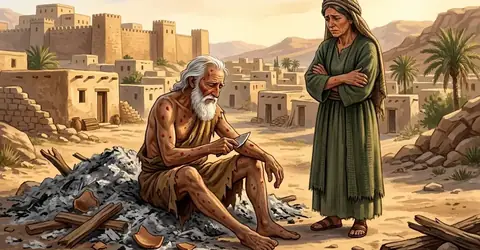 PersonJobA rich and godly man who lost his children, his wealth and his health in a single stroke, and would not curse God. His…
Written for this app in its own words, from the Bible, with the facts checked against Bible dictionaries and encyclopedias: Easton's, Smith's, Fausset's, ISBE, Holman, the New Bible Dictionary, Vine's and the Thompson Chain topics.
