
Person · Trade
Apothecary
a-POTH-e-kair-eeOld Testament · a perfumer, maker of spiced oils and incense
In the King James Version, a perfumer: someone skilled at blending spices, oils and resins into ointments and incense. The holy anointing oil and the incense for the tabernacle were made "after the art of the apothecary".
- Also called
- Perfumer
- Made
- Anointing oil, incense, sweet ointments, spices for burial
What it was
An apothecary in the Bible was not a chemist but a perfumer. He knew how to grind and mix spices, gums and oils into sweet-smelling ointments and powders. God told Moses to make the holy anointing oil, "an ointment compound after the art of the apothecary", and the holy incense in the same way (Exodus 30:25, 35). Bezaleel made them as instructed (Exodus 37:29).
How it was used
Perfumers also prepared spices for the dead. When King Asa died, he was laid on a bed "filled with sweet odours and divers kinds of spices prepared by the apothecaries' art" (2 Chronicles 16:14). After the exile a man called Hananiah, "the son of one of the apothecaries", helped to rebuild Jerusalem's wall (Nehemiah 3:8). Samuel warned that a king would take Israel's daughters to work as "confectionaries", the same word, making perfumes for the palace (1 Samuel 8:13).
What it meant
The Preacher draws a lesson from the perfumer's jar: "Dead flies cause the ointment of the apothecary to send forth a stinking savour: so doth a little folly him that is in reputation for wisdom and honour" (Ecclesiastes 10:1). A small sin can spoil a good name. See also perfume.
Key verses
- Exodus 30:25
And thou shalt make it an oil of holy ointment, an ointment compound after the art of the apothecary: it shall be an holy anointing oil.
- Exodus 37:29
And he made the holy anointing oil, and the pure incense of sweet spices, according to the work of the apothecary.
- 2 Chronicles 16:14
And they buried him in his own sepulchres, which he had made for himself in the city of David, and laid him in the bed which was filled with sweet odours and divers kinds of spices prepared by the apothecaries’ art: and they made a very great burning for him.
- Nehemiah 3:8
Next unto him repaired Uzziel the son of Harhaiah, of the goldsmiths. Next unto him also repaired Hananiah the son of one of the apothecaries, and they fortified Jerusalem unto the broad wall.
- Ecclesiastes 10:1
Dead flies cause the ointment of the apothecary to send forth a stinking savour: so doth a little folly him that is in reputation for wisdom and honour.
Read next
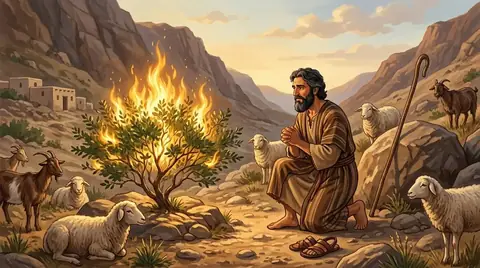 PersonMosesThe man God used to bring Israel out of Egypt, give them his Law at Sinai, and lead them for forty years in the…
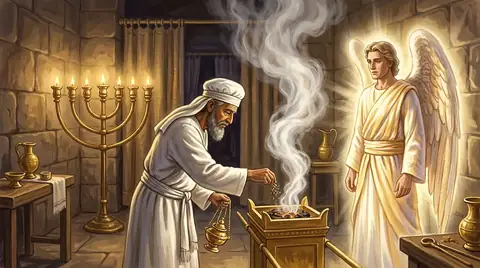 Thing · WorshipIncenseA holy blend of sweet spices that the priest burned on the golden altar of the tabernacle at dawn and at dusk. Its…
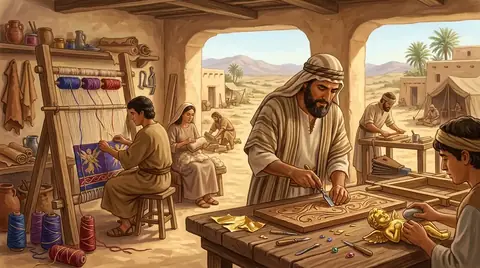 PersonBezalelThe craftsman from Judah whom God filled with his Spirit to make the tabernacle and everything in it, from the ark of…Person · KingAsaThe third king of Judah, who reigned forty-one years. He swept away the idols, won a great victory by prayer, and then…
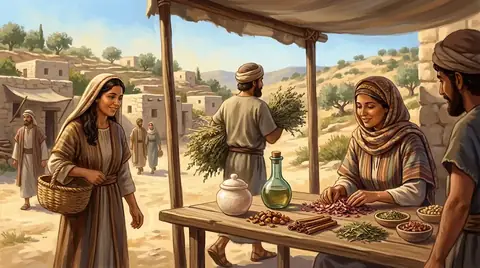 Thing · Daily lifePerfumeSweet-smelling oils, powders and incense, made from spices and resins. Perfume was used in worship, for clothes, beds…
Written for this app in its own words, from the Bible, with the facts checked against Bible dictionaries and encyclopedias: Easton's, Smith's, Fausset's, ISBE, Holman, the New Bible Dictionary, Vine's and the Thompson Chain topics.
