
Teaching
Usurpation
Seizing power or an office that is not yours. Absalom and Adonijah grabbed for the throne, Athaliah murdered the royal family to rule, and Kings Saul and Uzziah took on duties God gave only to priests.
- Of the throne
- Absalom (2 Samuel 15), Adonijah (1 Kings 1:5), Zimri (1 Kings 16:9–10), Athaliah (2 Kings 11:1–16)
- Of the priesthood
- Saul (1 Samuel 13:8–14), Uzziah (2 Chronicles 26:16–21)
- Of others' goods
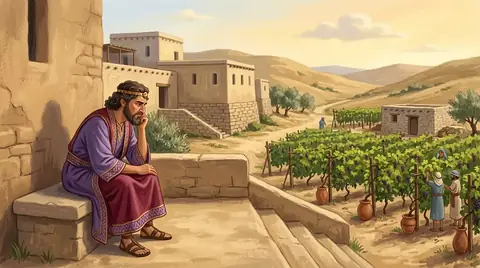
- Ahab and Naboth's vineyard (1 Kings 21)
Taking the throne
Absalom won the people's hearts at the city gate and had himself proclaimed king in Hebron (2 Samuel 15:1–12). Adonijah exalted himself, saying "I will be king", while David still lived (1 Kings 1:5–9). Baasha, Zimri and Shallum each killed a king to take his place (1 Kings 15:27–28; 1 Kings 16:9–10; 2 Kings 15:10). Athaliah destroyed the royal seed and ruled six years, until the priest Jehoiada crowned young Joash (2 Kings 11:1–16).
Taking holy things
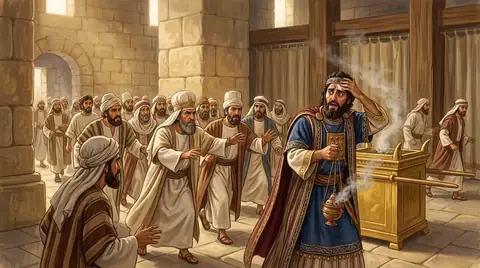
Some kings reached for what belonged to the priests. Saul would not wait for Samuel and offered the burnt offering himself, and lost his kingdom (1 Samuel 13:8–14). Uzziah, grown proud, went into the temple to burn incense, and was struck with leprosy (2 Chronicles 26:16–21).
For us
Power taken by force or pride does not last. God sets up kings and removes them (Daniel 2:21). Christ, who had every right to equality with God, did not grasp at it, but humbled himself (Philippians 2:6–8).
Key verses
- 2 Samuel 15:10
But Absalom sent spies throughout all the tribes of Israel, saying, As soon as ye hear the sound of the trumpet, then ye shall say, Absalom reigneth in Hebron.
- 1 Kings 1:5
Then Adonijah the son of Haggith exalted himself, saying, I will be king: and he prepared him chariots and horsemen, and fifty men to run before him.
- 1 Samuel 13:13–14
And Samuel said to Saul, Thou hast done foolishly: thou hast not kept the commandment of the Lord thy God, which he commanded thee: for now would the Lord have established thy kingdom upon Israel for ever. But now thy kingdom shall not continue: the Lord hath sought him a man after his own heart, and the Lord hath commanded him to be captain over his people, because thou hast not kept that which the Lord commanded thee.
- 2 Chronicles 26:16–18
But when he was strong, his heart was lifted up to his destruction: for he transgressed against the Lord his God, and went into the temple of the Lord to burn incense upon the altar of incense. And Azariah the priest went in after him, and with him fourscore priests of the Lord, that were valiant men: And they withstood Uzziah the king, and said unto him, It appertaineth not unto thee, Uzziah, to burn incense unto the Lord, but to the priests the sons of Aaron, that are consecrated to burn incense: go out of the sanctuary; for thou hast trespassed; neither shall it be for thine honour from the Lord God.
- Philippians 2:6
Who, being in the form of God, thought it not robbery to be equal with God:
Read next
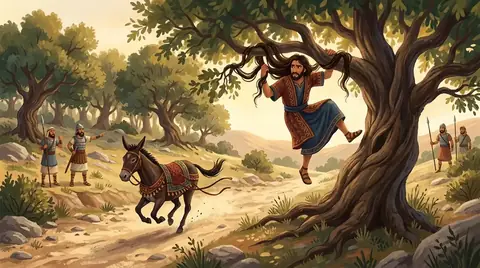 PersonAbsalomDavid's handsome third son, who murdered his brother Amnon, won the hearts of Israel and rose in rebellion against his…
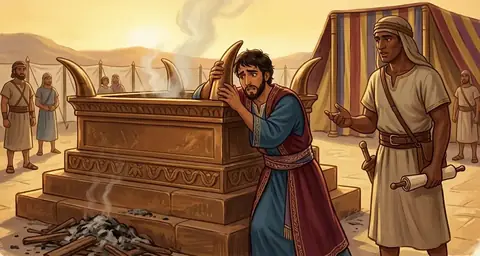 PersonAdonijahDavid's fourth son, who tried to make himself king while his father lay dying. Solomon forgave him once, but when he…PersonZimriAn army officer who killed King Elah of Israel and took the throne, but reigned only seven days. When the army made…
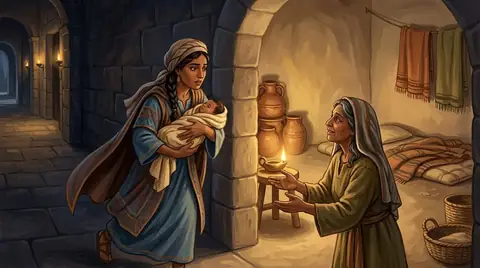 Person · QueenAthaliahDaughter of Ahab and Jezebel who married into Judah's royal house, murdered her own grandchildren and seized the throne…
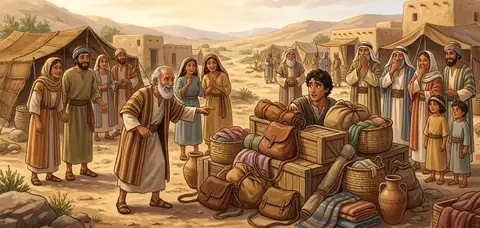 Person · KingSaulIsrael's first king, a tall Benjamite chosen when the people demanded a king like the nations. He began humbly and won…
 PersonUzziahKing of Judah for fifty-two years, a strong and godly ruler until pride led him into the temple to burn incense. God…
 Person · KingAhabThe seventh king of the northern kingdom of Israel, who married Jezebel and led the nation into Baal worship. He…Person · King of IsraelBaashaAn army officer who murdered King Nadab and wiped out Jeroboam's family, then ruled Israel for twenty-four years from…
Written for this app in its own words, from the Bible, with the facts checked against Bible dictionaries and encyclopedias: Easton's, Smith's, Fausset's, ISBE, Holman, the New Bible Dictionary, Vine's and the Thompson Chain topics.
