
Teaching
Tongue
The tongue stands for both language and speech. God divided the tongues at Babel and will gather every tongue before his throne. Scripture warns that the tongue, though small, can do great good or great harm.
- Languages
- Babel (Genesis 11:1–9); every tongue before the throne (Revelation 7:9)
- Speech
- Proverbs 10:19; Proverbs 21:23; James 3:5–10
Languages
"Tongue" often means a language. The nations spread out "every one after his tongue" (Genesis 10:5). At Babel God confused their speech so they could not understand one another (Genesis 11:1–9). At Pentecost the Spirit undid Babel in a new way, as people of many languages heard the gospel in their own (Acts 2:4–11; see Gift of Tongues). In the end a great crowd "of all nations, and kindreds, and people, and tongues" will stand before the Lamb (Revelation 7:9), and every tongue will confess that Jesus Christ is Lord (Philippians 2:11).
Speech
Proverbs says much about the tongue. Many words bring sin, but the one who holds back is wise (Proverbs 10:19); keeping the tongue keeps the soul from trouble (Proverbs 21:23); there is more hope for a fool than for someone hasty with words (Proverbs 29:20). "Death and life are in the power of the tongue" (Proverbs 18:21). James calls the tongue a little fire that can set a forest ablaze, and notes that with it we bless God and curse people, which ought not to be (James 3:5–10).
For us
Words show what is in the heart (Matthew 12:34). The prayer of the psalmist is a good one: "Set a watch, O LORD, before my mouth" (Psalms 141:3).
Key verses
- Genesis 11:9
Therefore is the name of it called Babel; because the Lord did there confound the language of all the earth: and from thence did the Lord scatter them abroad upon the face of all the earth.
- Proverbs 18:21
Death and life are in the power of the tongue: and they that love it shall eat the fruit thereof.
- Proverbs 21:23
Whoso keepeth his mouth and his tongue keepeth his soul from troubles.
- James 3:5–10
Even so the tongue is a little member, and boasteth great things. Behold, how great a matter a little fire kindleth! And the tongue is a fire, a world of iniquity: so is the tongue among our members, that it defileth the whole body, and setteth on fire the course of nature; and it is set on fire of hell. For every kind of beasts, and of birds, and of serpents, and of things in the sea, is tamed, and hath been tamed of mankind: …
- Revelation 7:9
After this I beheld, and, lo, a great multitude, which no man could number, of all nations, and kindreds, and people, and tongues, stood before the throne, and before the Lamb, clothed with white robes, and palms in their hands;
Read next
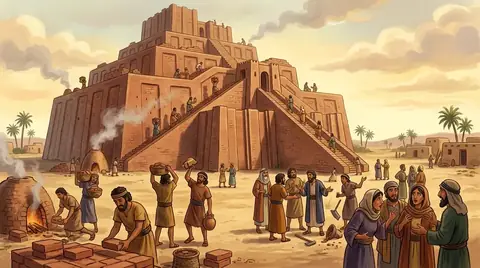 Place · CityBabelThe city in the plain of Shinar where, after the Flood, people built a tower to reach heaven and make a name for…
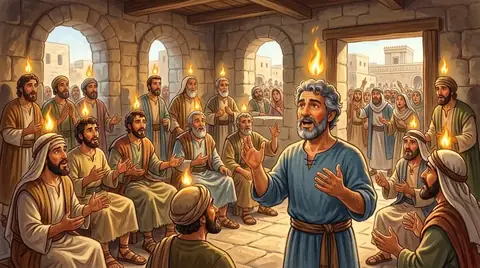 FeastPentecost (the Feast of Weeks)The harvest feast kept fifty days after Passover, when two loaves baked from the new wheat were offered to God. On the…TeachingGift of TonguesThe power the Holy Spirit gave to speak in languages the speaker had never learned. It came first at Pentecost, when…
Written for this app in its own words, from the Bible, with the facts checked against Bible dictionaries and encyclopedias: Easton's, Smith's, Fausset's, ISBE, Holman, the New Bible Dictionary, Vine's and the Thompson Chain topics.
