
Idol
Teraphim
TER-a-fimHousehold idols · "images" and "idolatry" in the KJV
Small household idols kept for luck and for telling the future. Rachel stole her father's, Micah made his own, Michal put one in David's bed, and the prophets condemned them.
- Where
- Genesis 31:19–35; Judges 17:5; 1 Samuel 19:13; Hosea 3:4; Zechariah 10:2
- Used for
- Protection of the home, and asking about the future (Ezekiel 21:21; Zechariah 10:2)
What they were
Teraphim were images of gods kept in the house, some small enough to hide under a saddle and at least one the size of a man. People in Mesopotamia and Canaan kept them for the family's protection and consulted them about what to do, and some think that owning them went with the right to the family's inheritance. God's people were not to have them, but the record shows how hard they were to give up.
In the Bible
When Jacob fled from Laban, Rachel stole her father's teraphim and hid them in the camel's saddle, sitting on them while he searched the tent (Genesis 31:19, 34–35). Jacob later had his household bury all their foreign gods under the oak at Shechem (Genesis 35:2–4). In the days of the judges a man named Micah made an ephod and teraphim and hired a Levite as his priest, and the tribe of Dan stole the lot on their way north (Judges 17:5; Judges 18:17–20). When Saul's men came for David, his wife Michal laid a teraphim in the bed with goat's hair at its head and said David was ill (1 Samuel 19:13–16), which shows one was kept even in that house. Samuel had already told Saul that stubbornness "is as iniquity and idolatry", using this very word (1 Samuel 15:23).
What the prophets said
Josiah cleared the teraphim out of Judah with the mediums and the idols (2 Kings 23:24). Ezekiel pictures the king of Babylon at the fork of the road, shaking his arrows and consulting his teraphim before he chose to march on Jerusalem (Ezekiel 21:21). Zechariah says plainly that "the idols have spoken vanity" (Zechariah 10:2). Hosea foresaw a time when Israel would be without king, sacrifice, ephod or teraphim, stripped of true worship and false alike, until they sought the LORD again (Hosea 3:4–5).
Key verses
- Genesis 31:19
And Laban went to shear his sheep: and Rachel had stolen the images that were her father’s.
- Judges 17:5
And the man Micah had an house of gods, and made an ephod, and teraphim, and consecrated one of his sons, who became his priest.
- 1 Samuel 19:13
And Michal took an image, and laid it in the bed, and put a pillow of goats’ hair for his bolster, and covered it with a cloth.
- Hosea 3:4
For the children of Israel shall abide many days without a king, and without a prince, and without a sacrifice, and without an image, and without an ephod, and without teraphim:
- Zechariah 10:2
For the idols have spoken vanity, and the diviners have seen a lie, and have told false dreams; they comfort in vain: therefore they went their way as a flock, they were troubled, because there was no shepherd.
Read next
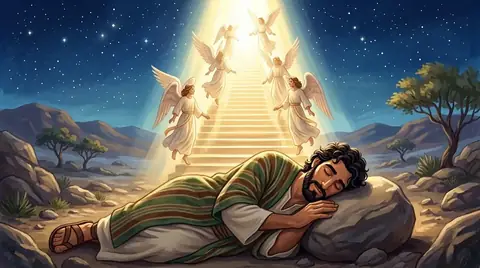 PersonJacobIsaac's younger twin son, who won his brother's birthright and blessing by cunning, was changed by God, and was renamed…
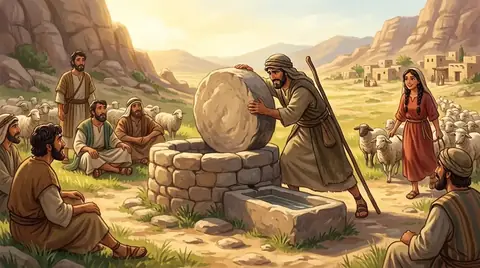 PersonRachelJacob's beloved wife, for whom he worked fourteen years. Long childless, she became the mother of Joseph and died…PersonMicahA prophet of Judah in the days of Isaiah, from the country town of Moresheth, who denounced injustice and foretold that…
 Person · KingDavidThe shepherd boy who killed Goliath and became Israel's greatest king, "a man after God's own heart". He wrote many…
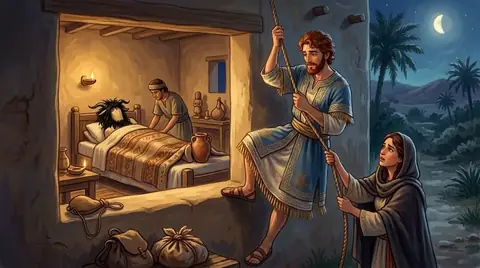 PersonMichalKing Saul's younger daughter and David's first wife. She loved him and saved his life, but years later she despised him…
 Person · Prophet and judgeSamuelThe prophet who led Israel from the time of the judges into the time of the kings. Given to God by his mother Hannah…
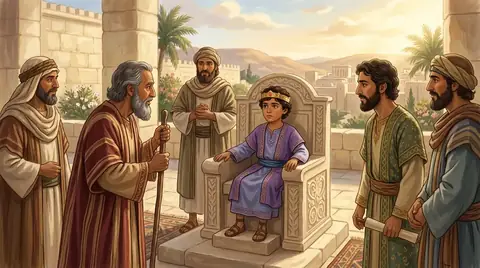 PersonJosiahThe boy king of Judah who turned the nation back to God. When the lost Book of the Law was found in the temple, he tore…
Written for this app in its own words, from the Bible, with the facts checked against Bible dictionaries and encyclopedias: Easton's, Smith's, Fausset's, ISBE, Holman, the New Bible Dictionary, Vine's and the Thompson Chain topics.
