
Custom · Clean and unclean
Skin diseases (leprosy)
Hebrew tsaraath, "leprosy" in older Bibles · Leviticus 13-14
The "leprosy" of the Bible covers a range of skin diseases, and even mildew in cloth and in house walls. Anyone with it was unclean and had to live outside the camp. Jesus touched such people and made them clean.
- The law
- Leviticus 13-14: the priest inspected, shut the person up for seven days, and declared clean or unclean
- Living
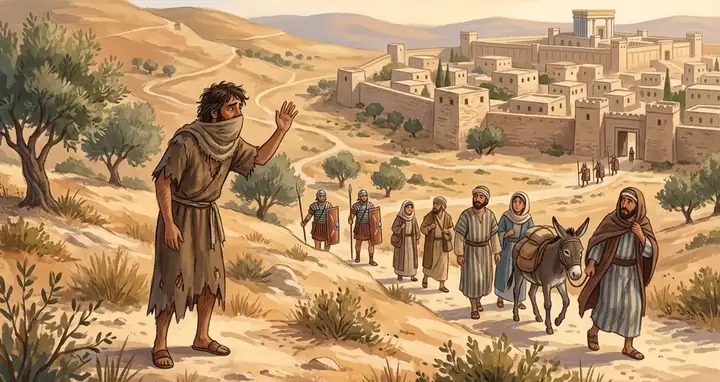
- Outside the camp or town, in torn clothes, bare-headed, calling "Unclean, unclean" (Leviticus 13:45–46)
- Where
- Leviticus 13–14; Numbers 12:10–15; 2 Kings 5; 2 Kings 7:3–10; 2 Chronicles 26:19–21; Matthew 8:2–4; Luke 17:11–19
What it was
The word the Bible uses is wide. It takes in true leprosy, which eats away fingers, toes and face, but also rashes, boils that spread, scaly patches and white spots, and the same word is used of mildew in clothing and damp rot in house walls (Leviticus 13:47; Leviticus 14:34). What mattered was not the medical name but whether it spread and whether it made a person unclean.
The law
Leviticus 13 is a long set of instructions for the priest, who acted as the inspector. He looked at the sore: was the hair in it white? was it deeper than the skin? had it spread? If unsure he shut the person away for seven days and looked again. Someone declared unclean had to tear their clothes, leave their hair loose, cover their upper lip and cry "Unclean" to warn people off, and live alone outside the camp (Leviticus 13:45–46). If the disease healed, the priest went out to see, and a week-long ceremony with two birds, cedar wood, scarlet and hyssop, washing, shaving and sacrifices brought the person back into the community (Leviticus 14:1–32).
In the Bible
Miriam was struck white when she spoke against Moses and shut out for seven days (Numbers 12:10–15). King Uzziah was struck when he pushed into the temple to burn incense and lived in a separate house until he died (2 Chronicles 26:19–21). Naaman, the Syrian general, was healed when he swallowed his pride and dipped seven times in the Jordan, and Gehazi took his disease for a bribe (2 Kings 5). Four lepers outside Samaria's gate found the Syrian camp empty and ended a siege (2 Kings 7:3–10).
Jesus did what no priest could. A leper knelt and said, "if thou wilt, thou canst make me clean"; Jesus reached out and touched him, which the law forbade, and said, "I will; be thou clean" (Matthew 8:2–3). He healed ten at once and only one, a Samaritan, came back to thank him (Luke 17:11–19). Each time he sent the healed man to the priest to be inspected and declared clean, keeping the law of Moses while showing he was its Lord.
What it means
Leprosy in the Bible is a picture of sin: it spreads, it cuts a person off from God's people, and no one can cure himself. The sufferer's only hope was a word from outside. Christ's touch, which made the unclean clean instead of making him unclean, is the gospel in a gesture.
Key verses
- Leviticus 13:45–46
And the leper in whom the plague is, his clothes shall be rent, and his head bare, and he shall put a covering upon his upper lip, and shall cry, Unclean, unclean. All the days wherein the plague shall be in him he shall be defiled; he is unclean: he shall dwell alone; without the camp shall his habitation be.
- Numbers 12:10
And the cloud departed from off the tabernacle; and, behold, Miriam became leprous, white as snow: and Aaron looked upon Miriam, and, behold, she was leprous.
- 2 Kings 5:14
Then went he down, and dipped himself seven times in Jordan, according to the saying of the man of God: and his flesh came again like unto the flesh of a little child, and he was clean.
- Matthew 8:2–3
And, behold, there came a leper and worshipped him, saying, Lord, if thou wilt, thou canst make me clean. And Jesus put forth his hand, and touched him, saying, I will; be thou clean. And immediately his leprosy was cleansed.
- Luke 17:12–19
And as he entered into a certain village, there met him ten men that were lepers, which stood afar off: And they lifted up their voices, and said, Jesus, Master, have mercy on us. And when he saw them, he said unto them, Go shew yourselves unto the priests. And it came to pass, that, as they went, they were cleansed. …
Read next
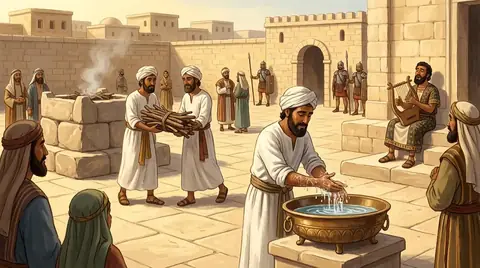 Custom · WorshipThe priestsAaron's descendants, set apart to offer the sacrifices, burn the incense, pronounce the blessing and teach the law.…
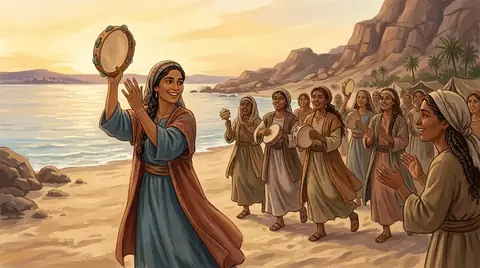 PersonMiriamMoses' older sister, who watched over his basket in the Nile and later led the women of Israel in song at the Red Sea.…
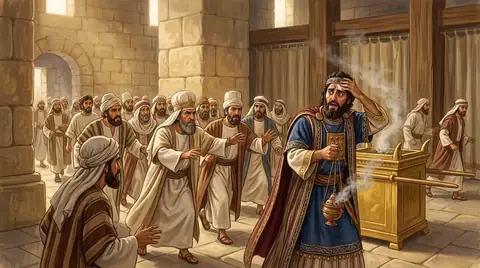 PersonUzziahKing of Judah for fifty-two years, a strong and godly ruler until pride led him into the temple to burn incense. God…
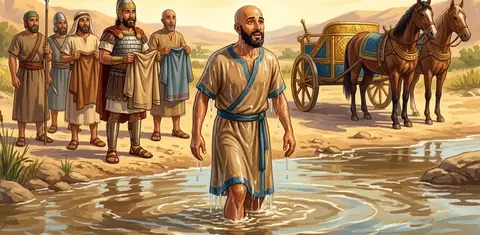 PersonNaamanThe Syrian general who had leprosy and was healed when he humbled himself and washed seven times in the Jordan at…
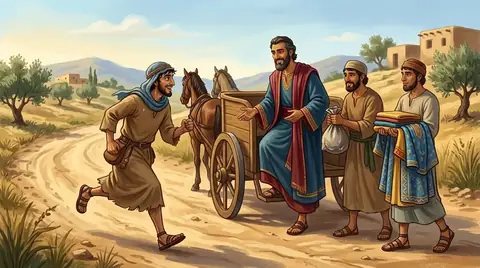 PersonGehaziElisha's servant, who ran after Naaman to get the silver and clothes his master had refused, lied about it, and was…
Written for this app in its own words, from the Bible, with the facts checked against Bible dictionaries and encyclopedias: Easton's, Smith's, Fausset's, ISBE, Holman, the New Bible Dictionary, Vine's and the Thompson Chain topics.
