
Teaching
Similitude
A likeness, a picture or comparison
In the KJV a similitude is a likeness: a figure or picture used to make something plain. God says he spoke through the prophets in similitudes, and Jesus taught in parables; but no image may be made of God himself.
- God says
- "I have... used similitudes, by the ministry of the prophets" (Hosea 12:10)
- Forbidden
- No likeness of God: Israel "saw no similitude" at Sinai (Deuteronomy 4:12–16)
Pictures that teach
God speaks to us in pictures we can understand. Through Hosea he says, "I have also spoken by the prophets, and I have multiplied visions, and used similitudes" (Hosea 12:10). The prophets acted out signs, told stories and used images: a potter, a vine, a boiling pot, a plumb line. Of Jesus, Mark says, "without a parable spake he not unto them" (Mark 4:34): the sower, the lost sheep, the mustard seed, the leaven.
No likeness of God
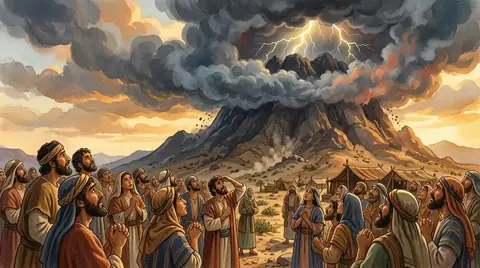
But the word also warns. At Mount Sinai Israel "heard the voice of the words, but saw no similitude"; therefore they were not to make any image, male or female, beast or bird, to worship (Deuteronomy 4:12–16). Man is made in God's likeness (James 3:9), but God is not to be made in ours. The only true image of the invisible God is Christ (Colossians 1:15).
Key verses
- Hosea 12:10
I have also spoken by the prophets, and I have multiplied visions, and used similitudes, by the ministry of the prophets.
- Deuteronomy 4:12
And the Lord spake unto you out of the midst of the fire: ye heard the voice of the words, but saw no similitude; only ye heard a voice.
- Deuteronomy 4:15–16
Take ye therefore good heed unto yourselves; for ye saw no manner of similitude on the day that the Lord spake unto you in Horeb out of the midst of the fire: Lest ye corrupt yourselves, and make you a graven image, the similitude of any figure, the likeness of male or female,
- Mark 4:33–34
And with many such parables spake he the word unto them, as they were able to hear it. But without a parable spake he not unto them: and when they were alone, he expounded all things to his disciples.
- Colossians 1:15
Who is the image of the invisible God, the firstborn of every creature:
Read next
Written for this app in its own words, from the Bible, with the facts checked against Bible dictionaries and encyclopedias: Easton's, Smith's, Fausset's, ISBE, Holman, the New Bible Dictionary, Vine's and the Thompson Chain topics.
